Emergency Plumbing Guide: What to Do Before Help Arrives
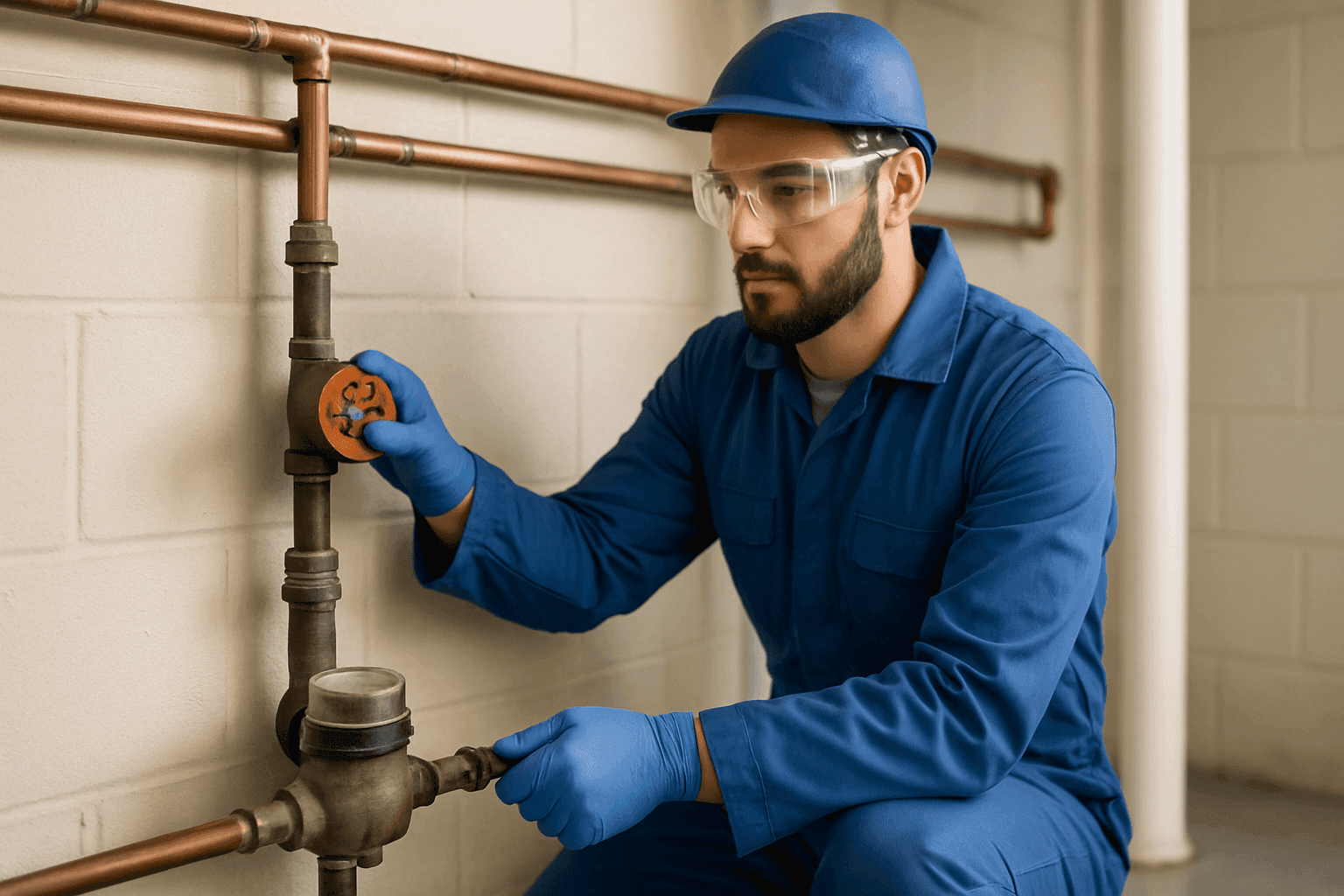
Every second matters when water starts flowing where it shouldn’t. A burst pipe or overflowing toilet doesn’t wait for business hours. Suddenly, your living room carpet is wading in water, and panic creeps in. But you’re not alone.
Lords Plumbing is here for you, 24/7. Our licensed technicians respond day and night, nationwide. Before we arrive, there are a few crucial steps you can take to protect your home and keep your family safe.
Recognizing a Plumbing Emergency 🚨
Some plumbing problems can wait. Others—like a pipe gushing water or a toilet flooding the hallway—can’t. Knowing the difference is half the battle.
Common emergencies include:
- Burst pipes: Water spraying or gushing from a wall, ceiling, or basement
- Severe leaks: Continuous dripping or pooling that can’t be contained
- Overflowing toilets: Water spilling over the rim, especially if it won’t stop
- Sewer backups: Foul smells, slow drains, or sewage coming up from fixtures
- Major gas smells: Any hint of gas near your plumbing or appliances
If you see water spreading fast, hear hissing behind walls, or smell sewage or gas, it’s time to act now. These situations can cause serious damage, health risks, or even structural problems. According to the International Plumbing Code and the EPA, immediate intervention can limit water damage and mold growth.
Immediate Steps to Take
Plumbing emergencies don’t wait. Here’s your action plan—the safety checklist:
- Turn Off the Water:
For most leaks, shut off the nearest valve (under the sink or behind the toilet). Can’t find it? Go straight to the main water shutoff—often in the basement, garage, or outside near the street. In some homes, it’s behind a rectangular metal plate outside or in the utility room. - Flip Off Electricity (If Needed):
If water is near outlets or appliances, switch off electricity at the breaker. Water and electricity mix as badly as oil and fire. - Move Belongings:
Lift rugs, furniture, and valuables out of harm’s way. Water spreads like spilled milk—fast and everywhere. - Contain the Leak:
Place buckets or towels to catch drips. Use duct tape or a rag for a temporary patch on small leaks. - Ventilate:
Open windows and doors if possible. This helps dry things out and lets fumes escape. - Document Everything:
Take photos or videos of the damage. These will help with insurance claims later.
Stay calm. Quick action can make all the difference.
What Not to Do
It’s tempting to go into fix-it mode. But some things can make matters worse.
- Don’t use electrical appliances near water. Shocks happen in seconds.
- Don’t try to repair gas lines or major pipes yourself. Leave it to licensed technicians.
- Don’t flush toilets or use sinks if you suspect a sewer backup. You’ll send more water where it’s not wanted.
- Don’t ignore small leaks. They can become big problems, fast.
Sometimes, the best move is to step away and wait for help.
When to Call a Professional
If you’re not sure, don’t hesitate to call Lords Plumbing. Here’s when you need a pro:
- Water won’t stop flowing, even after shutting off local valves.
- You suspect a burst main, major leak, or sewer line issue.
- Gas smell anywhere near plumbing or appliances.
- No hot water, strange noises, or leaks from your water heater.
- Water pressure drops suddenly or turns brown.
- Multiple drains back up at once.
We’re available 24/7. Save our number in your phone so it’s always at your fingertips—no Googling “Emergency Plumbing near you” in a crisis.
Preparing for the Plumber’s Arrival
You’ve called for help. Now what?
- Clear the Area: Pets, kids, and clutter can slow down repairs. Make a path to the problem.
- Provide Details: Share what happened, what you’ve done, and where you shut off water.
- Gather Documentation: Have your photos, insurance info, and any relevant paperwork ready.
- Stay Accessible: Keep your phone nearby for updates or questions from your technician.
Lords Plumbing’s licensed experts will arrive with the right tools and know-how. All you need to do is stay safe and let us handle the rest.
Safety Checklist: Before the Pros Arrive
- Shut off the water (main or local)
- Avoid electrical risks—flip breakers if needed
- Move valuables to dry ground
- Document damage for insurance
- Ventilate if safe to do so
- Keep Lords Plumbing’s number handy
A little preparation goes a long way.
What Not to Do: Avoiding Common Pitfalls ⚠️
It’s natural to want to help, but some quick fixes can cause more harm than good. Resist the urge to:
- Use chemical drain cleaners in emergencies (they can make things worse)
- Take apart fixtures or pipes unless you know what you’re doing
- Ignore standing water—it can hide hazards
When in doubt, wait for the pros.
DIY vs. Call a Pro
Some issues—like minor drips or slow drains—can be handled with a wrench and some patience. But emergencies? That’s a different beast.
DIY might be safe when:
- It’s a single, slow drip from a faucet
- You can clearly see and access a local shutoff valve
- There’s no electrical, gas, or sewage involved
Call a pro when:
- You don’t know where the leak is coming from
- There’s any sign of gas or sewage
- Water is spreading rapidly or won’t stop
- The repair involves main lines, water heaters, or sewer systems
Remember: Safety is more important than speed.
What Pros Do On Arrival
When Lords Plumbing arrives, here’s what you can expect:
- Confirm the Source: Our technicians use leak detectors, thermal cameras, and years of experience to pinpoint the problem.
- Assess Safety: We check for electrical, gas, and structural risks before starting repairs.
- Stop the Damage: Water shutoff, temporary patches, and immediate cleanup limit further harm.
- Repair or Replace: Pipes, valves, and fixtures are fixed or replaced as needed.
- Inspect for Hidden Damage: We look for water behind walls and under floors. Mold and rot like to hide.
- Document for Insurance: We provide clear notes and photos if requested.
We’ll walk you through every step, so you’re never left guessing.
Prevention & Maintenance
The best emergency is the one you never have. Here are some tips from the American Society of Plumbing Engineers and the National Association of Home Builders:
- Know your shutoff locations.
Main valves are typically near where water enters your home—often in basements, utility rooms, or along exterior walls. - Insulate pipes in cold weather.
Burst pipes are common in winter. Foam sleeves are cheap insurance. - Don’t flush wipes, grease, or “flushable” products.
Toilets and drains are not trash cans. - Schedule regular inspections.
Annual check-ups spot trouble before it starts. - Install water leak detectors.
These small devices can catch leaks before they become floods.
A few minutes each season can save thousands in repairs.
Costs & Time Factors
Plumbing emergencies can feel like a runaway train—fast, expensive, and out of control. While every situation is unique, here’s what to expect:
- Response Time: Lords Plumbing offers 24/7 service. Most calls are answered within the hour.
- Repair Duration: Simple fixes (like a leaking faucet) may take less than an hour. Larger problems (like a burst main) can take several hours or more.
- Typical Costs: Repairs can range from affordable quick fixes to more complex jobs. Emergency services may carry after-hours fees, as recognized by the Homeowners Protection Bureau.
- Insurance: Many homeowner policies cover sudden water damage—but not neglect or long-term leaks. Document everything and call your provider promptly.
Fast action can help control both the damage and the cost.
When It’s an Emergency
Not every drip is a disaster. But call for emergency plumbing if:
- Water is flooding floors or ceilings, or gushing from pipes
- You smell gas or sewage
- Multiple drains back up at the same time
- Water heater leaks or makes strange noises
- You lose all water pressure suddenly
If you’re unsure, it’s safer to call.
FAQ
Q: Where is my main water shutoff valve?
A: Look near where the water main enters your home—often in a basement, garage, crawl space, or utility closet. In some regions, it’s outside by the curb under a metal cover.
Q: Can I use my plumbing during an emergency?
A: If you’ve shut off water to the whole house, avoid using toilets, sinks, or appliances until repairs are complete.
Q: Will insurance cover my emergency?
A: Most policies cover sudden water damage, but not maintenance issues. Always document everything and check your coverage.
Q: How do I prevent future emergencies?
A: Regular inspections, prompt repairs, and knowing your shutoff locations are key.
Local and Seasonal Considerations 🌧️
- Cold Climates:
Frozen pipes are a winter hazard. Leave faucets dripping during deep freezes and insulate exposed pipes. - Older Homes:
Aging pipes are more likely to burst. Schedule regular inspections for peace of mind. - Storm Season:
Heavy rains can flood basements and overload sump pumps. Test your pump twice a year and clear out debris from drains.
Local building codes and water companies may have specific guidelines—check with your municipality or state’s department of health for details.
When water is running wild, time matters. Lords Plumbing is standing by, ready to help—any hour, any day. Save our number for true peace of mind.
Call Lords Plumbing now — or reach us anytime at 877-779-1505 .