How to Troubleshoot Low Water Pressure at Home
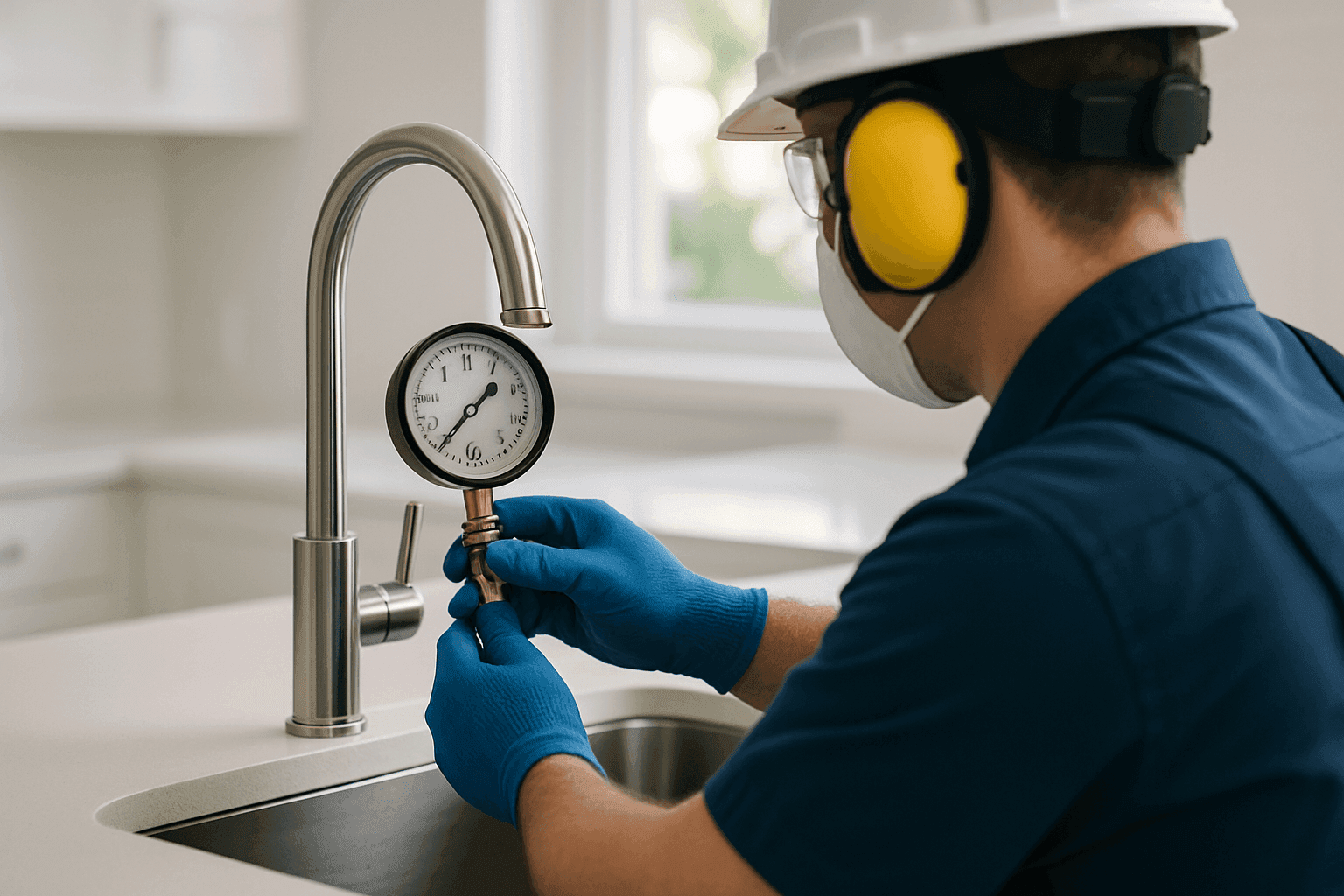
Have you ever turned on your shower expecting a refreshing blast—only to be met with a dribble? Low water pressure isn’t just annoying. Sometimes, it’s a sign that something serious is brewing in your plumbing system. When the kitchen sink can’t even rinse a plate, or your toilet takes ages to refill, everyday life grinds to a halt.
At Lords Plumbing, we know how urgent these moments can feel. Whether it’s a late-night leak or a sudden drop in flow, our certified team handles emergency plumbing near you every day. Let’s walk through why your water pressure might tank—and what you can do about it.
Common Causes of Low Water Pressure 🛠️
Water should flow like a river—not a lazy creek. When pressure drops, the culprit could be hiding anywhere from the street to your bathroom tap. Here are the most common troublemakers:
- Main Shutoff Valve: If it’s not fully open, your whole house will suffer.
- Clogged Aerators: Mineral buildup at the faucet’s tip can choke the flow.
- Pipe Leaks: Even a pinhole leak behind a wall can steal pressure.
- Municipal Supply Issues: Sometimes the problem starts with your city’s water lines.
- Pressure Regulator Failures: These devices keep pressure steady; if they fail, flow can plummet.
- Old or Corroded Pipes: Rust and scale inside old pipes can narrow the pathway for water.
Picture your pipes as city roads. A closed valve? That’s a roadblock. A leak? Like water pouring out a pothole. Mineral buildup? Think of a lane closed for repairs.
How to Diagnose the Problem
Finding the source doesn’t have to be a guessing game. Use these steps:
1. Check Multiple Fixtures
Is the pressure low everywhere? Or just at one tap? If it’s just one, the problem may be local (like a clogged aerator).
2. Inspect the Main Shutoff Valve
Look for your main water shutoff—usually in the basement, crawlspace, or outside wall. Make sure it’s fully open. A valve only halfway open is like squeezing a garden hose.
Visual Tip: The valve handle should be parallel to the pipe for “open.” If you’re unsure, snap a photo and compare it to examples online or in your owner’s manual.
3. Test with a Pressure Gauge
Pick up a water pressure gauge at a hardware store. Screw it onto an outside hose bib or laundry faucet. Standard pressure at home is usually 40–60 psi (pounds per square inch). If you’re reading below 40 psi, something’s off.
How-to Tip: Turn off all faucets and appliances before testing for the most accurate reading.
4. Check for Leaks
Walk your house. Listen for hissing, look for puddles, and inspect behind toilets, under sinks, and along exposed pipes. A sudden drop in pressure and a higher water bill often spells “leak.”
5. Ask the Neighbors
Is their water flow fine? If they’re having issues, it’s likely a municipal supply problem.
Quick Safety Checklist
Before you grab a wrench, run through these safety steps:
- Shut off power to electric water heaters before poking around.
- Don’t use excessive force on stuck valves—this can cause bigger leaks.
- If you suspect a gas line is involved or smell gas, leave the area immediately and call your local gas provider.
- Wear gloves and eye protection if you remove faucet aerators or open pipe access panels.
Following local building codes is always best practice. The International Plumbing Code (IPC) and Uniform Plumbing Code (UPC) both outline safe handling for water and gas lines.
DIY Solutions vs. When to Call a Pro
Some fixes are simple. Others need a plumber’s touch.
DIY Fixes You Can Try
- Clean Faucet Aerators: Unscrew, rinse out debris, and soak in vinegar to dissolve scale.
- Open the Main Valve: Double-check that it’s fully open.
- Replace Showerheads: Sometimes, a new head can restore flow.
- Flush Water Heater: Sediment buildup can block hot water pipes. Follow manufacturer instructions.
But if you notice these, call an emergency plumbing service like Lords Plumbing:
- Water stains, soggy drywall, or unexplained puddles (may indicate hidden leaks).
- Sudden whole-house pressure drops with no clear cause.
- No water at all, or visible pipe bursts.
- Issues with your pressure regulator (don’t attempt repairs here—regulators require specialized tools and know-how).
- Signs of corrosion or green/white crust on pipes (could mean major scaling inside).
What Pros Do On Arrival
When you call Lords Plumbing for emergency plumbing near you, here’s how our certified technicians approach your low pressure problem:
- Visual Inspection: We check all fixtures, valves, and exposed pipes.
- Pressure Testing: Using calibrated gauges, we measure actual pressure at various points.
- Leak Detection: Advanced acoustic tools help pinpoint leaks hidden in walls or underground.
- Regulator and Backflow Testing: We’ll check your pressure regulator and any backflow prevention devices for proper function.
- Municipal Liaison: If the issue is outside your home, we coordinate with city utility crews.
Every step is guided by years of training and local safety codes, so you get the right fix without guesswork.
Preventing Future Issues 🔧
A little maintenance now can save you big headaches later. Here’s how:
- Annual Plumbing Inspections: Catch small leaks or pressure drops before they become emergencies.
- Flush Water Heater Yearly: This prevents sediment buildup that can block hot water flow.
- Clean Aerators Every Few Months: Keeps mineral deposits from choking fixtures.
- Install Water Filtration: Reduces scale and debris, especially important if your area has “hard” water.
- Stay Ahead of Freeze: Insulate pipes in unheated spaces to prevent winter bursts (more on that below).
Routine checks aren’t just busywork—they’re like regular oil changes for your home’s pipes.
Costs & Time Factors
How much will this set you back? It depends.
- DIY Fixes: Cleaning aerators or checking valves is virtually free and takes under an hour.
- Leak Repairs: Small leaks may be fixed in a couple hours; hidden or underground leaks take longer.
- Pressure Regulator Replacement: This is a specialized job—typically completed in half a day.
- Pipe Repairs or Replacement: Corroded pipes or major blockages can be a multi-day job, especially if walls or floors need opening.
Remember, ignoring low water pressure can lead to higher costs down the line if a leak causes structural damage or mold.
When It’s an Emergency
Sometimes, low water pressure signals “big trouble.” Here’s when to drop everything and call for emergency plumbing near you:
- You see water gushing from a pipe, ceiling, or floor.
- Water pressure suddenly drops to zero.
- You hear the sound of running water when all taps are off.
- There’s visible mold, damp spots, or a musty smell near pipes.
- You suspect a gas line issue (especially if pressure drops with appliances that use both water and gas).
Don’t wait—quick action can prevent thousands in damage.
FAQ
Why does my shower lose pressure when someone flushes the toilet?
Your home’s pipes may be too narrow, or your pressure regulator needs adjusting. Sometimes, it’s just the way older plumbing systems are set up.
How do I know if the pressure regulator is bad?
Look for sudden changes in pressure throughout your house, or visible leaks around the regulator itself (usually found near where your water line enters the home).
Is low water pressure ever a health risk?
Yes. Low pressure can let contaminated water siphon back into your pipes, especially if you don’t have a backflow prevention device.
Can seasonal changes affect water pressure?
Absolutely. Read on for details.
Local & Seasonal Considerations ❄️
Where you live—and the time of year—can make a big difference:
- Winter Freezes: In colder months, water inside pipes can freeze, expand, and cause cracks (or bursts). Once thawed, leaks can rob your system of pressure.
- Drought or Local Supply Issues: Sometimes, your city may restrict water flow or deal with main leaks—always check local advisories.
- High Mineral Areas: “Hard” water can clog pipes and aerators faster, especially in regions with limestone-rich soil.
If you’re in an area prone to freezing, consider pipe insulation and regular winter checks as must-dos.
Low water pressure can be a mild nuisance—or a warning bell. With the right steps, you can spot minor issues early and know when it’s time to call in the cavalry. If your water flow has slowed to a crawl and you’re not sure where to turn, don’t wait for the problem to get worse.
Call Lords Plumbing now — or reach us anytime at 877-779-1505 .