Water Heater Repair vs. Replacement: How to Decide
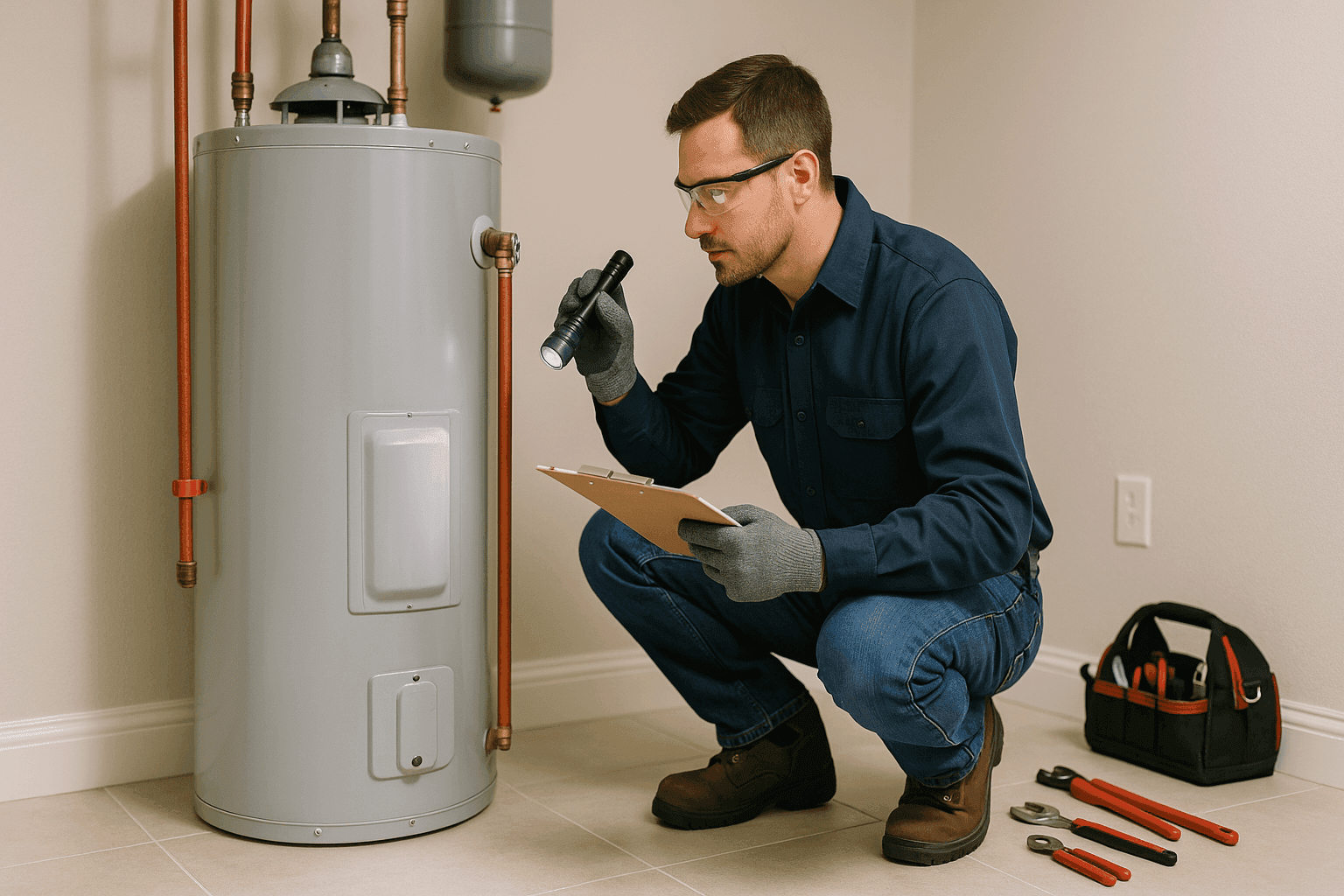
Is your morning shower suddenly lukewarm? Maybe you’ve noticed a strange puddle near your water heater, or heard a rumble that sounds like it belongs in a storm, not your basement. When your water heater falters, knowing what to do next can feel overwhelming. We get it—it’s never just about hot water. It’s about comfort, safety, and sometimes, the difference between a simple fix and a big expense.
At Lords Plumbing, our licensed, background-checked technicians understand the stress that comes with these moments. Our approach? Clear advice, transparent pricing, and honest recommendations—so you feel in control, not in the dark.
Signs Your Water Heater Needs Attention ⚠️
Your water heater rarely quits without warning. Watch for these telltale symptoms. Some are subtle, others impossible to ignore.
- Water isn’t hot enough—or not hot at all. If your hot shower turns chilly fast, pay attention.
- Strange noises. Rumbling, popping, or banging from the tank usually means sediment buildup. Like pebbles in your shoe, they won’t go away on their own.
- Leaks or puddles. Water pooling around your heater is never normal. Even a small drip can signal bigger trouble.
- Rusty water. Brown or rusty hot water means corrosion inside the tank or pipes.
- Inconsistent water pressure. Sudden changes can point to blockages, leaks, or aging components.
- High energy bills. Older or malfunctioning heaters work harder, burning more energy for less heat.
Traditional tank water heaters and tankless (on-demand) models can both show these symptoms. Pay special attention to leaks and noises—these often signal deeper issues requiring immediate attention. If you’re not sure, don’t wait for a full breakdown. Emergency plumbing near you is just a call away.
Common Repairs vs. Replacement Triggers
Not every problem means you need a brand new water heater. But some issues wave a red flag for replacement. Here’s how to tell the difference.
Repairs: Worth Fixing When…
- Heating elements or thermostats fail. Swapping out a faulty part often brings quick relief.
- Minor leaks from fittings or valves. A loose valve or worn gasket is usually a simple fix.
- Pilot light won’t stay lit (for gas heaters). Often due to a faulty thermocouple or gas control valve.
- Sediment buildup. Flushing the tank restores performance if caught early.
- Minor electrical issues (tankless units). Sometimes, a quick circuit reset or replacement part does the trick.
Replacement Triggers: Time for a New Unit
- Tank leaks. When the tank itself springs a leak, repairs aren’t safe or cost-effective.
- Age. Most traditional heaters last 8–12 years; tankless models can reach 15–20 with care (Energy.gov).
- Corrosion inside the tank. Rust spots on the tank or brown water mean the inner lining is failing.
- Frequent repairs. If you’re calling for service more than once a year, it’s time to talk replacement.
- Drops in efficiency. If your energy bills climb and hot water output falls, your unit might be on its last legs.
Cost Comparison: Repair vs. Replacement
Let’s talk dollars and sense. Sometimes, a quick repair is the best investment. Other times, replacement pays off in the long run.
- Repair costs typically range from a few hundred dollars for parts like thermostats, heating elements, or valves.
- Replacement can cost more up front, but a new, energy-efficient model (especially ENERGY STAR-rated units) often lowers your utility bills.
- Labor costs vary by job complexity and the type of water heater (traditional vs. tankless).
- Hidden costs of waiting: Water damage, mold, and higher energy bills add up fast if you ignore warning signs.
A good rule of thumb? If repairs approach 50% of the cost of a new unit—or your heater is more than 10 years old—replacement is usually the smarter choice. Think of it like an old car: patching it up works for a while, but sooner or later, a new ride is less hassle.
Choosing the Right Water Heater for Your Home
Not all water heaters are created equal. Here’s what to consider when picking your next unit.
- Traditional tank heaters store and heat water in a large tank. They’re reliable, affordable, and familiar to most homeowners.
- Tankless (on-demand) heaters heat water only when you need it. They save space, use less energy, and can last longer, but often cost more upfront.
Key Factors:
- Family size: More people = more hot water needed.
- Energy efficiency: Look for high Energy Factor (EF) ratings. Lower bills, smaller carbon footprint.
- Fuel type: Gas, electric, or hybrid. Each has pros and cons for cost and installation.
- Space: Tankless units mount on walls and fit in tight spaces.
- Local codes: Safety guidelines from the International Association of Plumbing and Mechanical Officials (IAPMO) or your local building department may influence your options.
Still unsure? Our technicians walk you through sizing, placement, and safety requirements—so you get what fits your home and budget.
Lifespan Expectations: How Long Should Your Water Heater Last?
- Traditional tank: 8–12 years (well-maintained).
- Tankless: 15–20 years, sometimes more with annual maintenance.
Regular maintenance is the secret to longer life. Without it, even the best units can fail early. Think of it like dental checkups—routine care saves pain and money down the line.
Practical Maintenance Tips
- Drain and flush your tank once a year to remove sediment.
- Check the temperature setting. 120°F is usually plenty, reducing scald risk and energy use.
- Inspect the pressure relief valve for leaks or corrosion.
- Listen for new noises. Address them before they grow into expensive repairs.
- Schedule annual inspections with a licensed plumber, especially for older units or tankless models.
Simple steps, big impact. Many major issues start as small, preventable problems.
Symptoms of Imminent Failure
Don’t ignore these warning signs—they’re like warning lights on your dashboard.
- Visible rust or corrosion on the tank or pipes.
- Persistent leaks, even after repairs.
- Odd smells or discolored water.
- Hot water runs out faster than usual.
- Heater trips circuit breakers or blows fuses (electric models).
These signal your water heater may be beyond repair. Act quickly to avoid water damage or safety hazards.
Energy Efficiency: Save Money, Stay Comfortable
Upgrading to an energy-efficient water heater can cut energy use by up to 50% (U.S. Department of Energy). Tankless models and high-efficiency tanks both provide more hot water with less waste. Over time, lower bills often offset higher upfront costs.
- Insulate pipes and tanks for even more savings.
- Ask about rebates for ENERGY STAR-rated models—your utility company may offer incentives.
Transparent Pricing, Licensed Technicians
At Lords Plumbing, we believe in straightforward pricing. Our technicians are licensed, background-checked, and trained on the latest safety codes. You’ll always know what to expect—no surprises, no hidden fees. Emergency plumbing near you means help is always close by, day or night.
Traditional vs. Tankless: Which is Right for You?
Traditional Tank Water Heaters
- Pros: Lower upfront cost, simple to install, reliable.
- Cons: Shorter lifespan, larger footprint, less efficient.
Tankless Water Heaters
- Pros: Long lifespan, space-saving, energy efficient, endless hot water when sized correctly.
- Cons: Higher initial cost, complex installation, may require electrical or gas upgrades.
Your choice depends on your budget, home layout, and hot water habits. Our team helps you weigh the options—no pressure, just clear facts.
Frequently Asked Questions
How often should I service my water heater?
Annual inspections and flushing extend your heater’s life and keep it running safely. For tankless units, descaling is key.
Is it safe to repair a leaking water heater myself?
Minor leaks from fittings? Sometimes. But leaks from the tank or complex gas connections mean it’s time to call a licensed plumber.
What’s the average lifespan of a water heater?
Traditional tanks: 8–12 years. Tankless: 15–20 years with good maintenance.
Will a new water heater save me money?
Yes—modern high-efficiency units use less energy, which means lower utility bills over time.
Local and Seasonal Considerations
In regions with hard water, sediment builds up faster, shortening the life of your unit. Regular maintenance is even more important. Cold winters? Your heater works overtime—watch for signs of stress like slower recovery or higher bills. If you travel or have a seasonal home, consider shutting off and draining your tank to prevent freezing or leaks.
Final Thoughts: Make the Right Call with Confidence
Facing a failing water heater isn’t fun. But with the right information—and a team you can count on—it doesn’t have to be a disaster. Whether it’s a late-night emergency or routine maintenance, Lords Plumbing is here to help you make the smartest, most cost-effective decision for your home.
Call Lords Plumbing now — or reach us anytime at 877-779-1505 .