Backflow Prevention: What It Is and Why Every Home Needs It
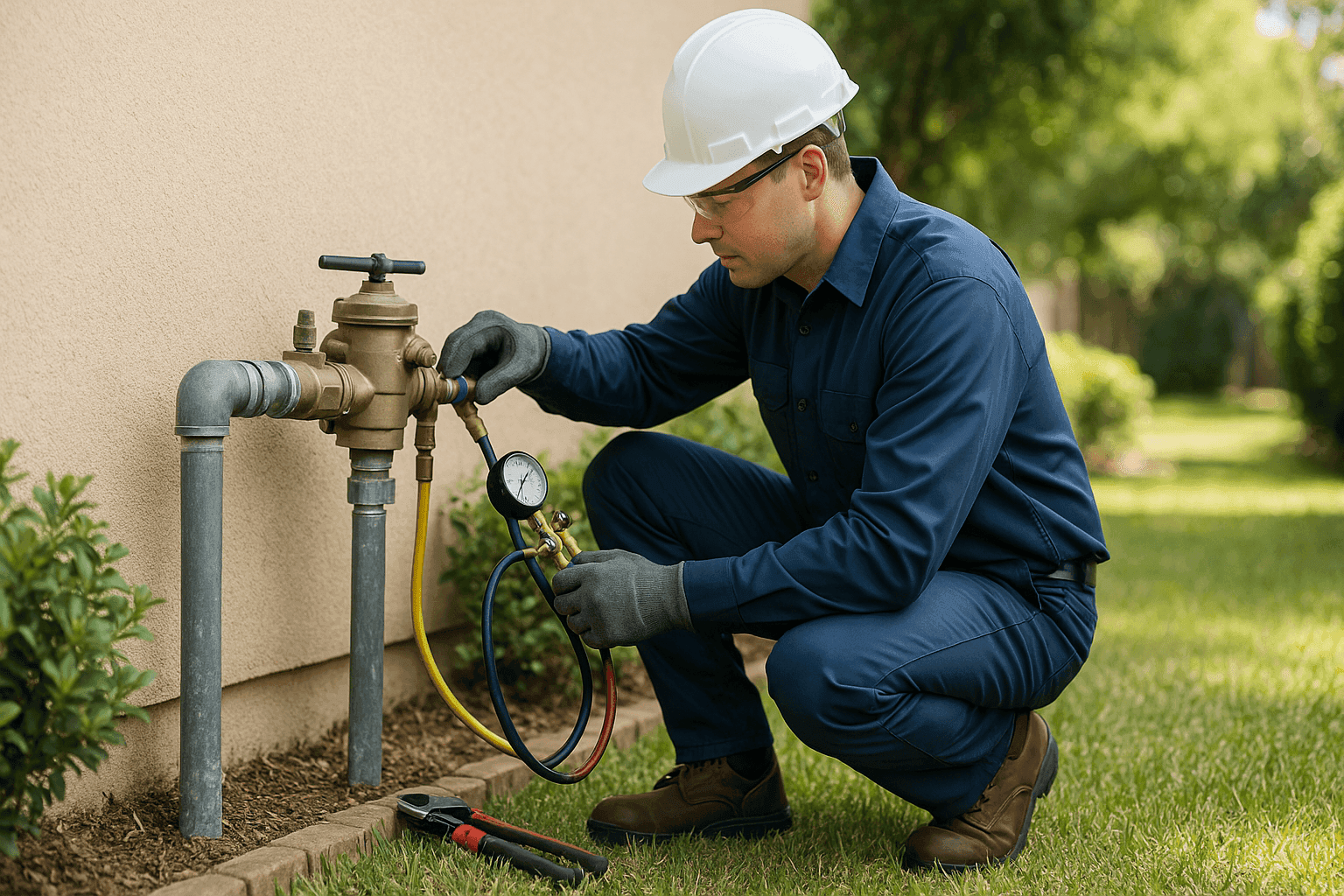
When you turn on your tap for a glass of water, you expect it to be safe, clean, and fresh. The truth is, your home’s plumbing can sometimes work against you—letting contaminated water flow back into your clean supply. It sounds dramatic, but it’s a real risk that can happen in any house.
That’s where backflow prevention comes in. At Lords Plumbing, we see firsthand how quickly a minor issue can turn into an emergency plumbing situation. Understanding backflow is the first step to keeping your family and community safe.
What Is Backflow? 🚰
Imagine a river suddenly changing direction, pushing dirty water upstream into a sparkling lake. Backflow works the same way—except it’s your home’s clean water at risk.
Backflow happens when water reverses its normal flow. Instead of flowing out and away, it finds a way back into your home’s pipes, carrying with it whatever it picked up along the way. This can include chemicals, bacteria, or even sewage. Not the kind of surprise anyone wants in their kitchen or bathroom.
The Health Risks
- Contaminated water: Backflow introduces pollutants right into your drinking water.
- Serious illness: Pathogens like E. coli, Salmonella, and chemicals from lawn products or cleaning agents can cause stomach bugs, rashes, or worse.
- Hidden danger: You often can’t see, smell, or taste contamination until symptoms hit.
The Centers for Disease Control and Prevention (CDC) and your local health department agree—backflow prevention isn’t just a good idea. It’s essential.
How Backflow Happens
You don’t need a flood or huge plumbing disaster for backflow to occur. Everyday situations can set the stage.
Cross-Connection: The Weak Link
A cross-connection is any spot where your drinking water meets another source—think hoses, sprinkler systems, or utility sinks. If water pressure changes suddenly, these connections can suck water backwards.
Common Triggers
- Main breaks: City water line repairs drop pressure, causing suction.
- Fire hydrant use: When firefighters tap into hydrants, nearby homes experience pressure dips.
- Hose mishaps: Leaving a hose in a pool or bucket can siphon dirty water into your plumbing.
- Faulty valves: Old or damaged plumbing parts can fail when you least expect it.
Backflow doesn’t care if you live in a high-rise or a cozy bungalow. It’s an equal-opportunity risk.
Types of Prevention Devices
Stopping backflow is like putting locks on your doors—each device is a unique lock for a specific risk.
Most Common Residential Backflow Prevention Devices
- Air Gap: The simplest method. Just a physical space between water outlets and the highest possible water level (like the gap between your faucet and the sink). No moving parts, but not always practical everywhere.
- Atmospheric Vacuum Breaker (AVB): A small, inexpensive valve that prevents water from flowing backward. Commonly seen on outdoor faucets and sprinkler systems.
- Pressure Vacuum Breaker (PVB): More robust than AVBs, these are used for outdoor irrigation. They need to be installed above ground and are easy to inspect.
- Double Check Valve Assembly (DCVA): A pair of valves that double the protection, often required for in-ground irrigation and some fire sprinkler systems.
- Reduced Pressure Principle Assembly (RPZ or RPBA): The gold standard for high-risk areas. Complex, but extremely reliable—often used near boilers, chemical systems, or anywhere contamination risk is highest.
Installation Process
Installing a backflow prevention device is not a do-it-yourself task. Certified professionals, like the team at Lords Plumbing, follow strict codes laid out by the Uniform Plumbing Code (UPC) and International Plumbing Code (IPC).
The steps include:
- Assessing your home’s risk points (cross-connections, irrigation, utility sinks)
- Choosing the right device for each location
- Shutting off water and draining lines
- Installing and testing the device for leaks or malfunctions
- Filing required documentation with your local water authority
A poorly installed device is almost as risky as no device at all.
Testing and Maintenance 🔧
Think of your backflow device like a smoke detector. It needs regular testing—not just a one-time install.
Why Annual Testing Matters
- Valves can fail: Rust, debris, or simple wear and tear can stop a device from working.
- Seals degrade: Rubber components age. Tiny leaks can let contaminated water slip through.
- Legal compliance: Most states and municipalities require annual testing by a certified backflow tester.
What Happens During Testing
- Water is temporarily shut off to minimize splash or mess.
- The tester uses special gauges to check that each valve closes and seals correctly.
- Results are recorded and submitted to the city or water provider.
- If repairs are needed, they’re handled right away.
At Lords Plumbing, our team is certified to test, repair, and install all major backflow prevention devices. We’ll even send a reminder each year so you stay compliant without the hassle.
Legal Requirements
Backflow isn’t just about health—it’s also about following the law. Regulations vary, but the trend is clear: authorities take this seriously.
Codes and Ordinances
- Statewide plumbing codes: Both the UPC and IPC require backflow protection on residential cross-connections.
- Local rules: Cities and counties may have stricter requirements, especially in areas with aging infrastructure or frequent water main repairs.
- Annual reporting: Many water utilities require proof of annual testing. Some even disconnect water service if you don’t comply.
- Certified testers only: In most regions, only certified professionals can install or test devices.
Check with your local building department or water utility for the exact requirements where you live. Lords Plumbing stays up to date on the latest changes so you don’t have to worry.
Quick Safety Checklist ✅
- Know where your main shutoff valve is.
- Never submerge hoses in buckets, pools, or tubs.
- Schedule annual backflow device testing.
- Use only certified professionals for installation and repairs.
- Keep records of all tests and maintenance.
- Ask your plumber if your irrigation, boiler, or fire sprinkler needs backflow protection.
A few minutes of prevention can save days of trouble.
DIY vs. Call a Pro
It’s tempting to tackle plumbing projects yourself. For backflow prevention, though, think twice.
When DIY Might Work
- Installing simple air gaps (like new faucets or dishwashers)
- Replacing hose bib vacuum breakers
When to Call a Pro
- Any device requiring special tools or certification
- Irrigation systems, boilers, or fire sprinklers
- If you’re unsure about local codes or documentation
Certified plumbers not only keep you safe—they keep you on the right side of the law.
What Pros Do On Arrival
When a Lords Plumbing technician arrives, here’s what you can expect:
- A thorough inspection of your plumbing to spot risk areas
- Testing of existing backflow devices with calibrated gauges
- Advice on upgrades if your system is outdated or not compliant
- Professional installation or repair—no shortcuts
- Filing of all required paperwork with local authorities
We treat your home with care, because we know what’s at stake.
Prevention & Maintenance
Backflow prevention isn’t set-it-and-forget-it. Here’s how to stay protected:
- Mark your calendar for annual device testing.
- Watch for signs of trouble: low water pressure, discolored water, or odd tastes.
- Replace old or damaged devices promptly.
- Keep outdoor hoses off the ground and out of standing water.
- Ask for a plumbing inspection if you’re adding new appliances or fixtures.
Regular checkups catch small issues before they become emergencies.
Costs & Time Factors
Protecting your water isn’t as expensive or time-consuming as you might think.
What to Expect
- Installation: Most backflow devices take 1–3 hours to install, depending on access and complexity.
- Testing: Annual tests are usually quick—30 minutes to an hour.
- Cost range: Device prices and labor vary based on the type and local labor rates. Expect a few hundred dollars for installation, with annual testing fees being much lower.
Remember, the cost of prevention is always less than repairing water damage or dealing with illness.
When It’s an Emergency
If you notice:
- Sudden drop in water pressure
- Discolored or foul-smelling water
- Water backing up into sinks, tubs, or toilets
Shut off your main water valve and call Lords Plumbing right away. Backflow is an emergency plumbing issue that can’t wait.
FAQ
How do I know if I need a backflow prevention device?
If you have an irrigation system, pool, boiler, or any cross-connection, you probably need one. Some areas require them for all homes. Ask your plumber or local utility for guidance.
Can I test my own backflow device?
No. Most states and cities require testing by certified professionals. It’s about safety and legal compliance.
What happens if I skip annual testing?
You risk contaminated water, fines, and even water shutoff. Annual tests are quick, affordable, and required by law in most places.
What’s the lifespan of a backflow prevention device?
With regular maintenance, most devices last 5–10 years. Parts may need replacement sooner, especially rubber seals.
Local/Seasonal Considerations 🌦️
Every region is unique. In cold climates, devices can freeze and crack—so winterization is key. In drought-prone areas, irrigation systems are under more scrutiny, and local ordinances may be stricter.
Some cities update their codes frequently. For example:
- Northern states: Require insulated or indoor installation to prevent freezing.
- Coastal areas: Extra corrosion protection may be needed.
- Suburban neighborhoods: More likely to require backflow protection on sprinkler and pool systems.
Lords Plumbing stays current on all local rules, so you don’t have to guess.
Backflow isn’t just a plumbing issue—it’s a health issue. Protect your water, your family, and your peace of mind. For annual testing, new installations, or emergency plumbing near you, reach out anytime.
Call Lords Plumbing now — or reach us anytime at 877-779-1505 .