How to Choose the Right Water Heater for Your Home
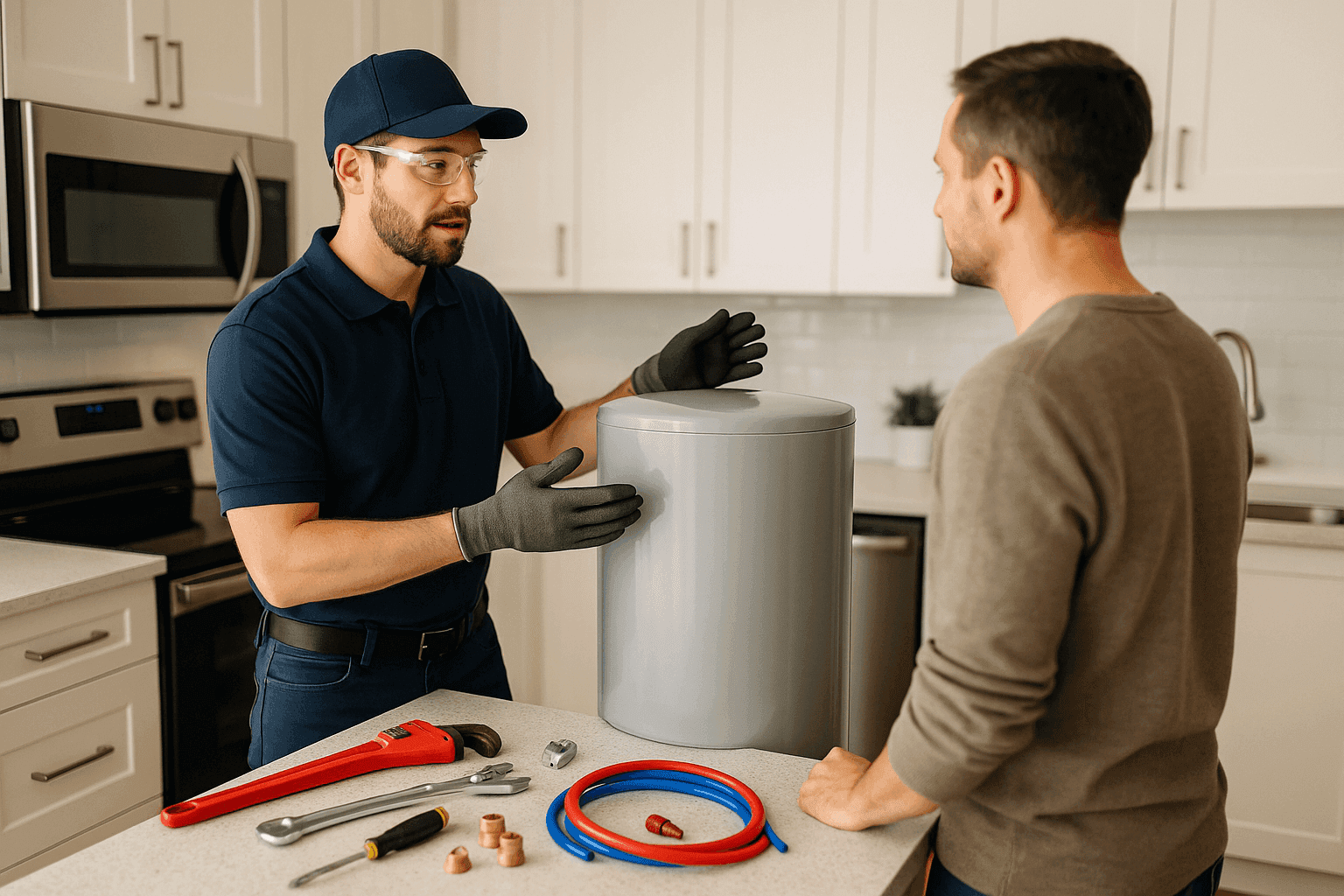
Is your shower suddenly cold? Or maybe your morning routine is interrupted by a sputtering faucet? Choosing the right water heater can feel like picking a car—you want reliability, efficiency, and something that fits your lifestyle. At Lords Plumbing, we know the right water heater makes daily life smoother, safer, and easier.
Whether you’re a homeowner or run a small business, your water heater is the heart of hot water comfort. Let’s walk through the options, so you can make a confident, informed decision.
Types of Water Heaters 🚿
Water heaters come in several shapes and sizes. Each has its own strengths, quirks, and ideal uses. Think of them like shoes—what works for a family might not suit a busy café.
Tank (Storage) Water Heaters
These are the classic models you’ll find in many homes. They store hot water in a large insulated tank, ready when you need it.
Pros:
- Lower upfront cost
- Simple to install
- Reliable for steady hot water
Cons:
- Larger footprint—needs space
- Can run out of hot water during high demand
- Standby heat loss (loses heat even when not in use)
Tankless (On-Demand) Water Heaters
Tankless models heat water as it flows through the unit. No tank, no waiting.
Pros:
- Endless hot water (within flow limits)
- Compact—mounts on a wall
- Energy efficient (no standby losses)
Cons:
- Higher upfront cost
- May need upgrades to gas or electrical systems
- Limited flow rate—may not handle multiple showers at once
Hybrid (Heat Pump) Water Heaters
These combine a heat pump with a traditional tank. They pull heat from the air to warm your water.
Pros:
- Highly energy efficient
- Lower operating costs
- Good for moderate to warm climates
Cons:
- Higher initial investment
- Needs more space and ventilation
- May be less effective in cold areas
How to Determine the Right Size
Sizing a water heater is like picking a backpack—too small, and you’re left juggling; too big, and you’re lugging unnecessary weight (and costs).
For Tank Water Heaters
- Household Size: Two people? A 30–40 gallon tank might do. Four or more? Consider 50+ gallons.
- Peak Usage: Do you run showers, laundry, and the dishwasher at once? Add capacity.
- Recovery Rate: Look for how quickly the heater can reheat water.
For Tankless Water Heaters
- Flow Rate: Measured in gallons per minute (GPM). Add up the GPM for all fixtures you might use at once.
- Temperature Rise: Difference between incoming water temp and desired output.
For Hybrid Water Heaters
- Similar sizing to tank heaters, but check manufacturer specs for climate recommendations.
Tip: The U.S. Department of Energy offers sizing calculators for both tank and tankless models.
Energy Efficiency and Cost Considerations
A water heater can be a silent energy hog—or a money saver. Efficiency isn’t just about the planet; it’s about your wallet too.
- Look for ENERGY STAR® labels. These meet strict efficiency guidelines set by the EPA.
- Compare Energy Factor (EF) or Uniform Energy Factor (UEF). Higher numbers mean better efficiency.
- Consider fuel type: Gas heaters usually cost less to operate than electric, but installation could be more complex.
- Operating cost vs. upfront cost: Tankless and hybrid models cost more at first, but can pay off with lower energy bills over time.
Pro Tip: Ask about rebates or incentives for efficient models from your utility company.
Fuel Types: Electric vs. Gas
Choosing between electric and gas is like deciding between a plug-in and a gas-powered lawnmower. Each has its own rhythm.
Electric Water Heaters
- Easier installation
- No combustion gases—safer indoors
- Slower recovery time
- May cost more to operate, depending on electricity rates
Gas Water Heaters
- Faster recovery
- Lower operating costs if natural gas is available
- Needs venting for safety
- Installation can be more involved
Safety Note: Always follow manufacturer and local code requirements for gas appliances. The National Fuel Gas Code (NFPA 54) is a key resource.
Quick Safety Checklist ✅
- Install a temperature and pressure relief (TPR) valve. It’s a must for safety.
- Set thermostat to 120°F (49°C). Hot enough to prevent bacteria, cool enough to avoid scalds.
- Check for leaks around fittings and valves.
- Test the TPR valve annually.
- Ensure proper venting for gas heaters—carbon monoxide is a silent risk.
- Keep flammable materials away from the unit.
Professional Installation and Maintenance
Water heaters touch both plumbing and electrical/gas systems. That’s a recipe for complexity—and potential hazards.
Why Hire a Pro?
- Code compliance: Plumbing codes (like the Uniform Plumbing Code) require specific installation standards.
- Warranty protection: Many manufacturers require professional installation.
- Safety: Gas lines, high voltage, and water under pressure aren’t DIY territory for most.
What Pros Do On Arrival
- Assess your hot water needs and space
- Recommend the right size and type
- Handle permits and code requirements
- Install, test, and explain operation
- Haul away your old unit safely
Maintenance Tips to Extend Lifespan 🛠️
A little care goes a long way. Treat your water heater like a car, and it’ll return the favor.
- Drain the tank annually to remove sediment (tank models).
- Inspect the anode rod every 2–3 years; replace if needed.
- Flush tankless units to clear scale buildup.
- Test the TPR valve once a year.
- Check for leaks or rust regularly.
- Schedule professional inspection every few years.
Costs and Time Factors
Water heater costs are a mix of upfront price, installation, and long-term energy use.
- Tank models: Lower purchase price, moderate installation cost, higher lifetime energy use.
- Tankless: Higher purchase and install, lower energy use, longer lifespan.
- Hybrid: Highest upfront, lowest operating cost.
Installation time:
- Tank: Usually 2–4 hours.
- Tankless: 4–8 hours, especially if upgrades are needed.
- Hybrid: 3–6 hours.
Remember, unexpected issues—like old plumbing or code upgrades—can add time.
When It’s an Emergency
No hot water in winter? Water pooling around your tank? That’s not just an inconvenience—it’s an emergency plumbing situation.
Signs you need urgent help:
- Leaking tank or water spraying
- No hot water at all
- Rusty or discolored water
- Strange noises (banging, popping)
- Smell of gas near the unit
Don’t wait. Water heater failures can lead to water damage, mold, or even gas leaks. Shut off the water and power supply, then call for emergency plumbing service.
FAQ: Water Heater Choices
How long does a water heater last?
Most tank models last 8–12 years. Tankless and hybrid models can go 15–20 years with good maintenance.
Can I install a water heater myself?
It’s possible for handy folks, but not recommended unless you’re comfortable with plumbing, gas, and electrical codes. Mistakes can be dangerous.
What’s the best temperature setting?
120°F (49°C) is safe for most homes—hot enough to kill bacteria, cool enough to prevent burns.
Do I need a permit to replace my water heater?
In most places, yes. Permits help ensure safe installation and code compliance.
Special Considerations for Your Home or Business 🏠
- Space constraints: Tankless and hybrid units need less or different space than traditional tanks.
- Water quality: Hard water can shorten heater life—consider a filtration system.
- Usage patterns: Businesses with peak demands may need larger or multiple units.
- Backflow prevention: Required in many commercial settings for health and safety.
Reference: The International Association of Plumbing and Mechanical Officials (IAPMO) and the U.S. Department of Energy provide guidelines for water heater selection and safety.
Ready for hot water you can count on? Call Lords Plumbing now — or reach us anytime at 877-779-1505 .