Choosing the Best Water Filtration System for Your Home
We all want safe, fresh water flowing from every tap. But sometimes what looks (and tastes) clear can hide things you’d never guess. Whether it's odd smells, chalky residue, or headlines about water safety, concerns about what’s in your water are real.
At Lords Plumbing, we know the urgency behind getting clean water—and the peace of mind a good filtration system can bring. If you’re searching for “emergency plumbing near you” because of water worries, you’re not alone. Let’s break down how to pick the best filter for your family, with advice you can actually use.
Why Water Quality Matters 💧
Water isn’t just H₂O. It’s a cocktail of minerals, possible contaminants, and whatever your local pipes pick up on the way to your sink. In many homes, especially around older neighborhoods or regions with hard water, surprise guests like lead, chlorine, or sediment can sneak in.
Poor water quality doesn’t just taste bad. It can leave stains on clothes, shorten the life of appliances, and, in some cases, affect your health. The Environmental Protection Agency (EPA) points out that contaminants like lead, bacteria, and heavy metals are serious concerns in many communities.
And it’s not just what you drink. Bathing, cooking, even watering your plants—all depend on good water quality. Knowing what’s in your water is the first step toward a solution.
Types of Filtration Systems
Water filters come in more flavors than ice cream. Each one solves a different problem. The key is matching your home’s needs to the right type.
Whole-House vs. Point-of-Use
- Whole-house filters treat water as it enters your home. Every tap, every shower, every appliance gets filtered water. This is great for homes with widespread issues (think hard water, sediment, or chlorine).
- Point-of-use filters are installed where you need them most—like under the kitchen sink or on the showerhead. These are ideal if you only care about drinking water or have a single trouble spot.
Common Filter Types
- Activated Carbon: Best for removing chlorine, bad taste, and odor. Picture a sponge soaking up the stuff you don’t want.
- Reverse Osmosis (RO): Uses pressure to push water through a membrane. This catches smaller contaminants—think lead or nitrates—but uses more water.
- UV Purifiers: These use light to zap bacteria and viruses. They’re like a security guard against invisible invaders.
- Water Softeners: Specifically for hard water (high in calcium and magnesium). They swap out minerals that make water “hard” and leave your pipes and appliances happier.
- Sediment Filters: Catch sand, silt, or rust. These are the first line of defense for homes on well water or with older pipes.
Filter Ratings and What They Mean
Look for filters certified by NSF International or the Water Quality Association (WQA). These organizations test filters for safety and performance. Numbers like “NSF/ANSI 42” or “NSF/ANSI 53” show what the filter can handle—chlorine, lead, bacteria, and more.
Matching Filters to Your Needs
Choosing a filter isn’t one-size-fits-all. It’s more like choosing shoes—comfort, fit, and style all matter.
Step 1: Get Your Water Tested
You can’t fix what you don’t know. Start with a water test. Some cities provide reports, but a test kit or a visit from a licensed plumber offers the clearest picture. Look for:
- Hardness (calcium and magnesium)
- Chlorine levels
- Lead or heavy metals
- Bacteria
- Sediment
Step 2: Prioritize What Matters Most
- Taste and odor: Carbon filters work wonders.
- Sediment or rust: Go for a sediment pre-filter.
- Lead or heavy metals: Reverse osmosis is your star player.
- Hard water: A water softener keeps things smooth.
- Bacteria/viruses: UV purifiers or advanced RO systems step in.
Step 3: Weigh the Pros and Cons
- Whole-house systems cost more up front but cover every tap.
- Point-of-use filters are affordable but limited in reach.
- Maintenance needs: Some filters need a new cartridge every few months; others last years.
- Water waste: RO systems can use more water, so consider your local supply and costs.
Installation and Maintenance Tips 🛠️
Even the best filter is useless if it’s installed wrong or neglected. Here’s how to get the most life out of your system:
Professional Installation
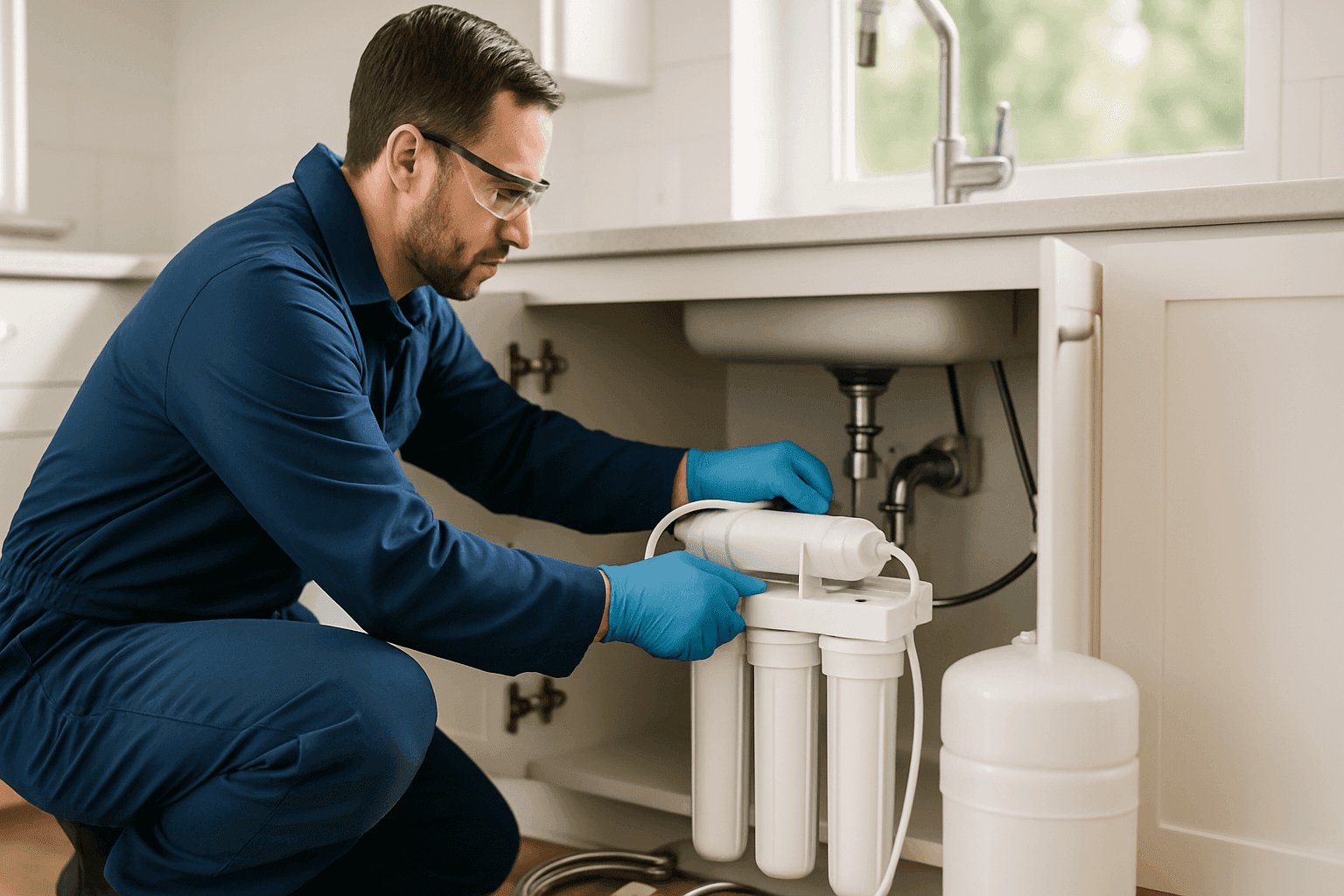
Water filtration isn’t plug-and-play. Certified installers (like those at Lords Plumbing) follow local plumbing codes and safety guidelines. They’ll:
- Choose the right spot for flow and access
- Seal connections to prevent leaks
- Test for proper pressure and performance
The Uniform Plumbing Code and local ordinances spell out what’s safe and allowed in residential plumbing. Proper installation protects your warranty and your home.
Maintenance Musts
- Change cartridges and filters on schedule. Mark your calendar or set reminders.
- Flush your system as directed. This keeps things flowing and prevents build-up.
- Check for leaks or pressure drops. These can signal a clogged filter or loose connection.
- Annual inspections. A quick checkup by a plumber catches problems before they grow.
Local Water Quality: What to Watch For
Every region has its quirks. In some neighborhoods, hard water is the big culprit—leaving spots on dishes and scale in your kettle. Elsewhere, you may deal with higher levels of chlorine, iron, or even agricultural runoff.
Older homes may have lead pipes or solder, which can leach into your water. Rural homes on well water face risks from bacteria or nitrates. Check your city’s annual water quality report, or ask Lords Plumbing for a local assessment.
Cost Considerations
Budgets matter. Here’s what to keep in mind:
- Whole-house systems: Higher initial cost, but protect every faucet and appliance.
- Point-of-use filters: Lower up-front, but you may need several for full coverage.
- Replacement filters: These add up. Check how often you’ll need to swap them out.
- Professional installation: Plumbing codes protect your home, but DIY mistakes can cost more in the long run.
- Water waste: Some systems, like RO, increase utility bills slightly due to water waste.
Remember, a good system pays off—cleaner water, longer-lasting appliances, and fewer plumbing emergencies.
Installation & Maintenance: DIY or Call a Pro?
Some handy homeowners install filters themselves. But plumbing isn’t just connecting pipes. Mistakes can lead to leaks, code violations, or even a voided warranty.
A licensed plumber ensures:
- The right filter for your setup
- Safe, leak-free installation
- Compliance with local codes
And if you ever need emergency plumbing (like a leaking filter or burst pipe), you’ll want someone who knows your system inside and out.
Preventative Maintenance
Don’t wait for weird tastes or soggy cabinets to act. Regular maintenance saves money and headaches:
- Replace filters on schedule—don’t push your luck.
- Watch for changes in water pressure or taste.
- Schedule annual inspections, especially for whole-house systems.
A stitch in time keeps clean water flowing and emergencies at bay.
When It’s an Emergency
If you spot a burst pipe, flooded basement, or a sudden drop in water pressure, it’s time to call for emergency plumbing near you. Water filtration issues can sometimes signal bigger plumbing problems underneath—like corroded pipes or backflow.
Don’t wait. Quick action saves your home and your sanity.
Frequently Asked Questions
How do I know which contaminants are in my water?
Start with your city’s annual water quality report. For a more detailed picture, use a home test kit or call a certified plumber for a professional assessment.
Are whole-house filters worth the investment?
If your water has widespread issues (like hardness, sediment, or chlorine), yes. They protect every tap, appliance, and shower. For single-issue or single-room problems, point-of-use may be enough.
How often should I change my filters?
It depends on the system and your water quality. Most cartridges last 3–12 months. Always follow the manufacturer’s instructions and set reminders.
Can poor water quality affect my plumbing?
Absolutely. Hard water leads to scale build-up, clogs, and shorter appliance life. Sediment can clog fixtures. Lead and chemicals pose health risks.
Local and Seasonal Considerations
- Hard water: Common in certain regions—watch for spots, scale, and soap that won’t lather.
- Seasonal runoff: After heavy rains or snowmelt, contaminants can spike, especially for homes on wells.
- Older homes: Be alert for lead pipes or solder, especially in neighborhoods built before 1986.
- Drought: Water sources may change, affecting quality and taste.
Check with your local water utility or a trusted plumber to understand what’s happening in your area. Staying informed helps you make the right choice for your family and your home.
Clean water is more than a luxury—it’s a necessity. Take the time to find the right water filtration system, and you’ll taste the difference every day. If you need help testing, installing, or maintaining your water filter—or if you face a sudden plumbing emergency—Lords Plumbing is here.
Call Lords Plumbing now — or reach us anytime at 877-779-1505 .