The Complete Guide to Repiping an Old Home
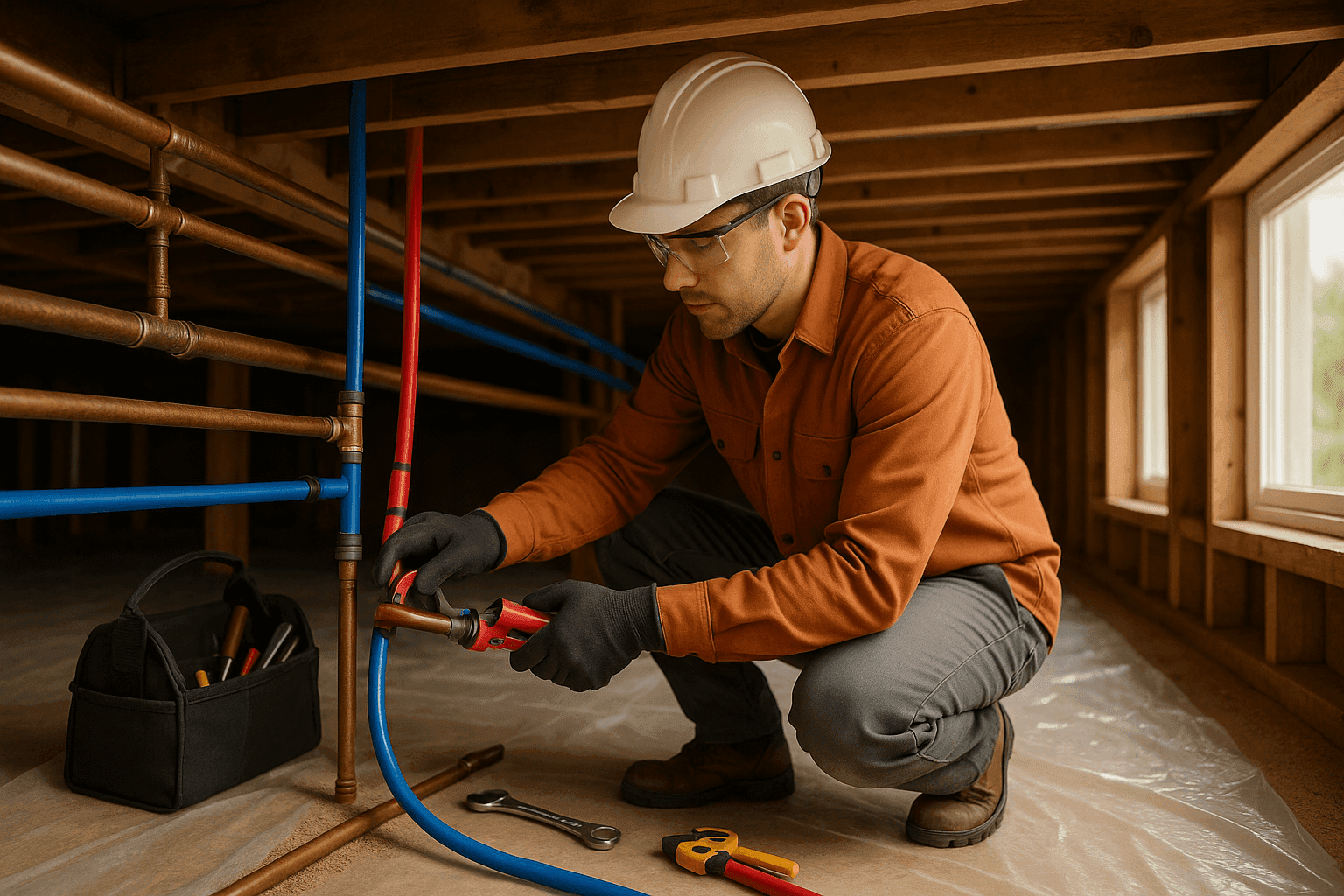
Owning an older home is a journey—one filled with charm, character, and, sometimes, plumbing surprises. If you’ve ever dealt with a sudden leak in the middle of the night, you know how disruptive old pipes can be. At Lords Plumbing, we’ve seen firsthand how proactive repiping can turn a home’s biggest risk into its strongest asset.
Let’s break down what you really need to know about repiping, from spotting the signs to choosing the right materials, budgeting, and ensuring your project runs as smoothly as possible. No fluff, just facts—so you can make the right call for your home and your peace of mind.
When Does a Home Need Repiping? 🏚️
Picture your home’s pipes as its veins. When they’re healthy, everything flows. But age, wear, and local water conditions can turn those veins brittle.
Here’s when you should consider repiping:
- Frequent leaks: Patching the same spot twice? That’s not a coincidence.
- Visible corrosion: Rusty, green, or white crust on exposed pipes means trouble inside.
- Low water pressure: Not just an annoyance. It can signal pipe buildup or pinhole leaks.
- Discolored water: Brown, yellow, or metallic-tasting water suggests rust or sediment.
- Old pipe materials: Homes built before the 1970s often used galvanized steel or even lead—both are now outdated and risky.
- Multiple repairs: If you’re calling emergency plumbing services every few months, replacement may save money long-term.
Local tip: In many regions, especially those with hard water, mineral buildup speeds up pipe decay. Ask a plumber familiar with your area’s water to inspect your system.
Choosing Piping Materials
Think of pipes as the backbone of your plumbing. The right material means years of worry-free showers, clean dishes, and safe water.
Copper vs. PEX
- Copper: Tried and true. Lasts 50+ years, resists bacteria, and handles heat well. It’s sturdy but pricier, and can corrode with acidic water.
- PEX: Flexible, easy to install, and budget-friendly. Great for tight spaces and resists scale buildup. Not ideal for outdoor or high-heat situations.
- CPVC: Similar to PEX, but a bit more rigid and less common in cold climates.
What’s best for older homes?
If your home has lots of twists and turns or you’re retrofitting in cramped crawl spaces, PEX can be a lifesaver. For visible runs or higher resale value, copper still has its place.
Regional note: Some cities require copper for supply lines, while others allow PEX. Always check local building codes before starting.
Planning and Budgeting for Repiping
Repiping isn’t a weekend DIY—it’s a big job, but a smart investment. Planning ahead helps you avoid headaches.
Here’s how to prepare:
- Permits: Always required for whole-home repiping. Skipping this can stop your project cold and lead to fines or failed inspections.
- Inspections: Local inspectors will check the work before walls go back up. This protects your investment and your safety.
- Timing: Most projects take 2–7 days, depending on home size and complexity.
- Disruption: Expect water shutoffs, drywall removal, and some dust. Plan to be home—or arrange to stay elsewhere if you have small kids or pets.
- Budget: Costs vary by pipe material, house size, and access. Set aside a 10–20% buffer for surprises (like hidden leaks or code upgrades).
- Warranty: Ask for a written warranty on both parts and labor. Reputable plumbers, like Lords Plumbing, stand by their work, but always get it in writing.
Pro tip: If you’re also planning a remodel—kitchen, bath, or laundry—do it after repiping. That way, you’re not opening finished walls twice.
The Repiping Process 🔧
Wondering what happens once you give the green light? Here’s a step-by-step snapshot:
- Initial assessment: Plumber maps your home’s existing plumbing and locates shutoffs.
- Permitting: All paperwork filed with your local building department.
- Preparation: Floors, furniture, and valuables protected with drop cloths.
- Access: Small holes cut in drywall to reach pipes (not full demolition).
- Old pipe removal: Out with the rusty, corroded, or outdated lines.
- New pipe installation: Pipes run through walls, crawlspaces, or attics, following code.
- Inspection: City or county inspector checks work for leaks, pressure, and code compliance.
- Wall repair: Drywall patched and ready for paint.
- Final walk-through: Faucets and fixtures tested, debris cleaned up.
Important: Always verify your plumber is licensed, insured, and familiar with local codes. The National Standard Plumbing Code and International Plumbing Code both set minimum requirements for safety and durability.
After-Repiping Care
Once your new pipes are in, you want them to last. Here’s how to keep everything running smoothly:
- Flush the system: After installation, run all taps to clear debris.
- Check for leaks: Inspect under sinks and around joints weekly for the first month.
- Water pressure: Notice any big changes? If so, call your plumber.
- Water quality: Some new pipes (especially copper) can add a slight metallic taste at first—this fades quickly.
- Preventative maintenance: Schedule annual plumbing checks, especially in older homes or areas with hard water.
Bonus tip: Consider installing a whole-home water filtration system to protect pipes and improve water quality.
Code Compliance: Permits, Inspections, and Safety
Repiping isn’t just about swapping old pipes for new. Every step—from start to finish—needs to follow strict codes. Why? Because plumbing mistakes can risk your family’s health and your home’s safety.
- Permits: Always required for major plumbing work.
- Inspections: Local officials check for leaks, correct pipe sizing, and proper venting.
- Backflow prevention: Essential to stop contaminated water from mixing with your supply.
- Gas safety checks: If your home has gas lines, repiping can sometimes reveal leaks or code violations. Plumbers do a full check to keep your home safe.
Reference: The Uniform Plumbing Code sets the standard for many cities in the U.S. Always insist on code-compliant work.
Local/Older Home Risks
Older homes have quirks. Here’s what to watch for:
- Asbestos insulation: Sometimes found wrapping old pipes—special handling required.
- Lead pipes: Still lurking in some pre-1940s homes. Must be replaced for health.
- Unique layouts: Slab foundations, crawl spaces, or thick plaster walls can make repiping trickier.
- Regional pipe types: In cold climates, pipes may be routed inside walls for freeze protection; in warm areas, attics or crawlspaces are common.
Local knowledge matters. A plumber experienced with your area’s housing stock can spot trouble before it starts.
Minimizing Disruption (and Stress)
Repiping can sound overwhelming. But with the right planning, you can keep life running with only minor interruptions.
- Schedule smart: Choose a week when you can be flexible.
- Prep rooms: Move valuables, cover furniture, and clear access to major plumbing.
- Stay informed: Get daily updates from your plumber on progress and any surprises.
- Temporary water: Some plumbers set up temporary lines so you’re not left dry.
- Final walkthrough: Don’t skip it—test every faucet and flush every toilet before signing off.
Practical Tips for Homeowners
- Keep records: Save all permits, inspection reports, and receipts. Useful for resale.
- Know your shutoff: After repiping, ask the plumber to show you the new main water shutoff.
- Plan for the future: If you add a bathroom or expand, let your plumber know—future-proofing is easier now than later.
Repiping Costs & Time Factors
No two jobs are alike, but here’s what typically drives cost and duration:
- Pipe material: Copper costs more than PEX, but may last longer.
- Home size and layout: More bathrooms, longer runs, or tricky access = more time and materials.
- Local codes: Some cities require extra inspections or special materials.
- Hidden issues: Old valves, poor previous repairs, or mold can add time.
Range: Most repiping jobs take 2–7 days. Costs can range from moderate to significant, depending on all the above. Always get a detailed written estimate.
When It’s an Emergency
Sometimes, you can’t wait. Burst pipes, sudden flooding, or no water at all—these are emergency plumbing situations. If you notice:
- Water pouring from ceilings or walls
- Complete loss of water pressure
- Major leaks near electrical outlets
Act fast. Shut off your main water valve and call for emergency plumbing near you. Quick action limits water damage and repair costs.
FAQ: Repiping an Old Home
Q: How long do new pipes last?
A: Copper pipes can last 50+ years. PEX generally lasts 40 years or more with proper installation.
Q: Will I need to leave my home?
A: Usually not, but there will be times when water is shut off. Your plumber will advise based on your schedule.
Q: Are permits really necessary?
A: Absolutely. Permits protect you, ensure code compliance, and are required by law.
Q: What if my home has lead pipes?
A: Lead pipes should be replaced immediately due to health risks. Professional plumbers handle safe removal.
Local and Seasonal Considerations
- Cold climates: Pipes must be insulated or routed to prevent winter freezing.
- Hard water regions: Mineral buildup is a top reason for early pipe failure—consider water softeners or filtration.
- Older neighborhoods: Historic districts may have special code requirements or rules—check with your city before starting.
Upgrading old pipes is a big step, but it’s one that pays off in comfort, safety, and home value. If you’re spotting the warning signs—or just want peace of mind—Lords Plumbing is ready to help, day or night.
Call Lords Plumbing now — or reach us anytime at 877-779-1505 .