The Homeowner’s Guide to Drain Cleaning and Maintenance
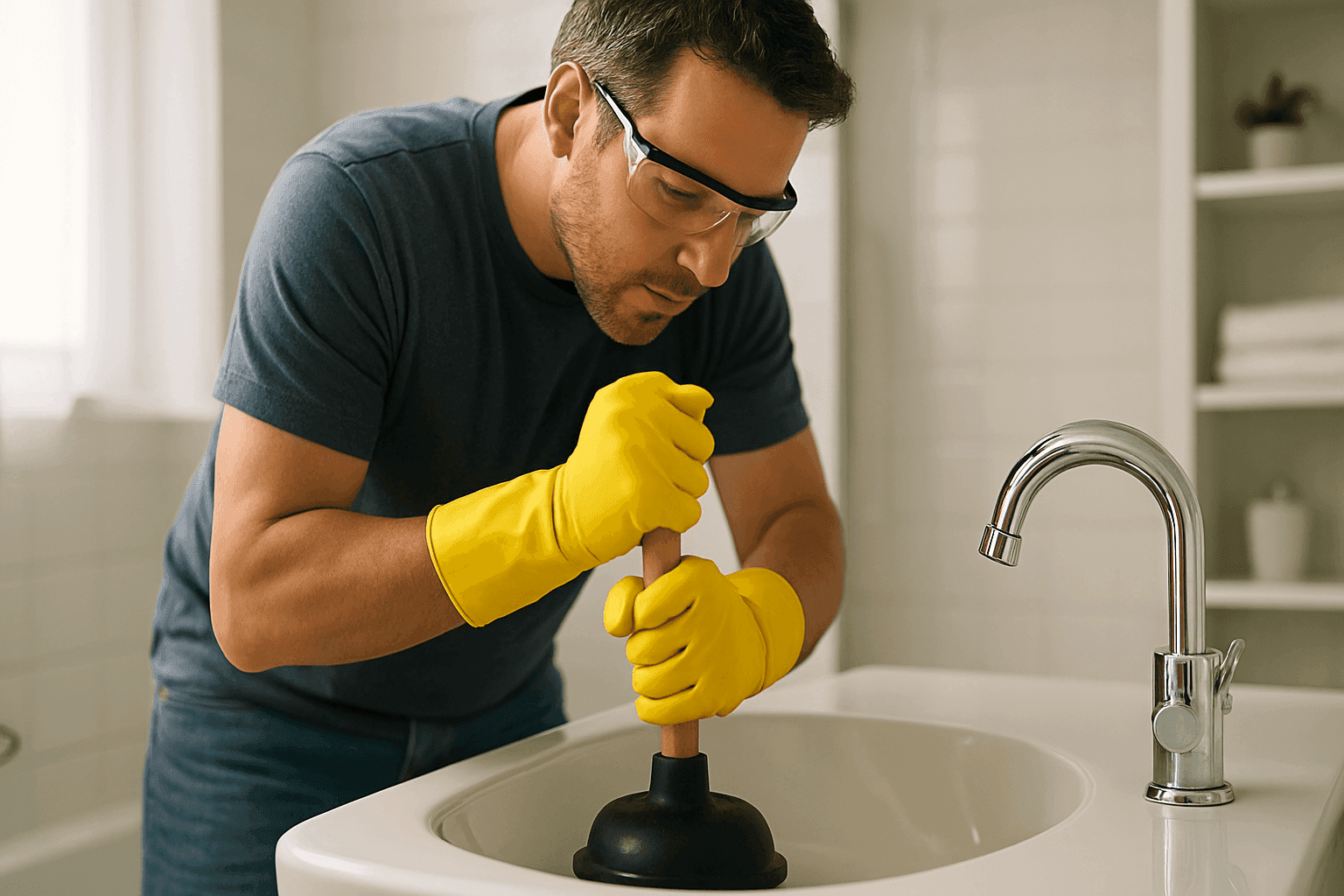
Stubborn, smelly, or slow drains have a way of turning a good day upside down. Maybe your kitchen sink takes forever to empty, or your shower leaves you standing ankle-deep in water. It’s frustrating—sometimes embarrassing. And let’s face it: those clogs always seem to happen when you least expect them.
At Lords Plumbing, we get it. Life is busy enough without plumbing surprises. That’s why our certified team uses safe, reliable methods to keep your pipes flowing, and why we’ve put together this guide to help homeowners like you keep things running smoothly—before a drip turns into an emergency plumbing nightmare.
Why Regular Drain Cleaning Matters 🚿
Think of your drains like the arteries of your home. When they’re clear, everything moves along as it should. But ignore a clog or two, and trouble starts to build. Here’s why regular drain cleaning matters:
- Water Damage: Overflows don’t just make a mess—they can rot cabinets, warp floors, and invite mold.
- Bad Odors: Food, hair, and soap scum breed bacteria. That foul smell? It’s your drains crying for help.
- Slow Drains: Water pooling in sinks or tubs is more than annoying—it’s a warning sign.
- Bigger Problems: Blocked drains can lead to burst pipes or sewer backups.
Neglect is like letting a slow leak drip behind the scenes. Sooner or later, it will demand your attention—often in the middle of the night.
DIY Drain Cleaning Methods
Not every clog needs a call for emergency plumbing near you. Some fixes are safe, simple, and don’t require special tools. Here are some homeowner-friendly tricks:
- Plunger: The old standby. Use a cup plunger for sinks and a flange plunger for toilets. Create a good seal and use quick, firm thrusts.
- Boiling Water: Great for grease or soap buildup in kitchen sinks. Pour slowly, in stages, to melt away gunk.
- Baking Soda & Vinegar: Pour ½ cup baking soda, then 1 cup vinegar. Wait 15 minutes. Flush with hot water. It fizzes up like a homemade volcano—safer than harsh chemicals.
- Drain Snake (Hand Auger): Good for hair or deeper clogs. Feed the coil into the drain, twist, and pull back debris.
Remember: If the clog keeps coming back, it’s a clue something bigger is going on down the line.
When to Avoid Chemicals
You’ll see rows of “quick fix” bottles in every hardware store. But chemical drain cleaners are risky:
- They’re Harsh: The same ingredients that dissolve hair can eat away at your pipes—especially older metal or PVC.
- Health Hazard: Fumes can burn your lungs and eyes. Spills are dangerous around kids and pets.
- Environment: Chemicals can seep into groundwater, harming gardens and local wildlife.
If a plunger or natural method doesn’t work, it’s safer to call a professional. At Lords Plumbing, we use eco-friendly tools and techniques that protect your plumbing—and your family.
Professional Services: What Lords Plumbing Does
When DIY efforts don’t cut it, our certified plumbers step in with safe, effective solutions. Here’s what you can expect when you call for emergency plumbing near you:
- Visual Inspection: We check for obvious blockages or leaks.
- Camera Inspection: Tiny cameras show us exactly where the problem lives—no guesswork.
- Power Augers: For stubborn clogs, these machines break up debris without harming your pipes.
- Hydro Jetting: A surge of high-pressure water clears heavy buildup, tree roots, and even mineral scale from hard water.
- Bio-Enzymatic Cleaners: These eco-friendly solutions use bacteria to digest organic clogs—no harsh chemicals needed.
We follow all local and national plumbing codes, using methods approved by organizations like the International Association of Plumbing and Mechanical Officials (IAPMO).
Preventing Future Clogs 🛡️
An ounce of prevention really is worth a pound of cure. Here’s how to keep your drains healthy:
- Strainers: Use mesh screens in sinks and tubs to catch hair and food bits.
- Dispose of Grease Properly: Pouring oil down the drain is like clogging an artery with bacon fat. Let it solidify, then toss it in the trash.
- Flush with Hot Water: Once a week, run hot water down your drains to loosen soap and grease.
- Mind What You Flush: Toilets aren’t trash cans. Only flush human waste and toilet paper—no wipes, cotton balls, or dental floss.
- Tree Roots: If you have big trees near your sewer line, consider regular camera inspections. Roots are sneaky and love pipes.
Warning Signs of Bigger Issues
Some problems are more than a simple clog. Watch for these red flags:
- Multiple Slow Drains: When more than one drain backs up, the blockage could be in your main line.
- Gurgling or Bubbling: That’s air trapped by a clog—often deep in the system.
- Bad Smells: Persistent odors, especially in basement drains, may signal a broken or blocked sewer line.
- Water Backing Up: Water in the tub when you flush the toilet? Time to call for emergency plumbing near you.
If you spot these warning signs, don’t wait. Water and waste can quickly damage your home’s structure and health.
Quick Safety Checklist
Before you tackle any drain cleaning, keep these safety tips in mind:
- Wear rubber gloves and eye protection.
- Never mix chemical cleaners.
- Don’t use boiling water on PVC pipes—it can warp them.
- If you smell gas or sewage, leave the area and call a professional right away.
- Always know where your main water shut-off valve is located.
Local and Seasonal Considerations 🌳
Every region faces unique plumbing headaches:
- Hard Water: In areas with mineral-rich water, calcium and lime can slowly choke pipes. Regular descaling and water filtration systems help.
- Root Intrusion: Older neighborhoods with big trees are prone to roots invading sewer lines. Annual inspections catch issues early.
- Freeze-Thaw Cycles: In colder climates, frozen pipes can burst and cause blockages. Insulate exposed pipes and let faucets drip during deep freezes.
- Heavy Rains: Sudden storms can overwhelm drains and sump pumps. Make sure gutters and outdoor drains are cleared of debris.
When It’s an Emergency
Not every clog needs a 2:00 a.m. phone call, but some do. Call for emergency plumbing near you if:
- Water is flooding or leaking rapidly.
- Sewage backs up into tubs, sinks, or floors.
- You smell gas or suspect a leak.
- Your only toilet is completely blocked.
Quick action can prevent thousands in damage and protect your family’s health.
FAQ
How often should I clean my drains?
For most households, a monthly flush with hot water and a strainer check does the trick. Homes with lots of hair, kids, or heavy kitchen use may need weekly attention.
Are store-bought drain cleaners safe?
Most aren’t. They can damage pipes, harm the environment, and pose health risks. Stick to physical methods or call the pros.
What’s the best way to prevent clogs?
Catch debris before it goes down the drain. Use strainers, avoid dumping grease, and schedule a professional inspection every couple of years—especially if you have an older home.
How do I know if the problem is in the main sewer line?
Multiple drains acting up, sewage smells, and water backing up in low fixtures are classic signs. This is a job for a certified plumber.
Costs & Time Factors
Each clog is different, and so is the price tag. DIY fixes may cost next to nothing—just your time and a plunger. A basic professional drain cleaning can take less than an hour, while deeper blockages (especially involving roots or collapsed pipes) take longer and may require specialized equipment.
Remember, waiting can turn a simple fix into a major headache. Addressing small issues promptly saves money down the line.
Healthy drains mean a healthy home. If you’re dealing with repeat clogs, slow drains, or suspect a bigger problem, don’t wait for water to start pooling.
Call Lords Plumbing now — or reach us anytime at 877-779-1505 .