Fixture Installation: How to Upgrade Faucets, Sinks, and Showers
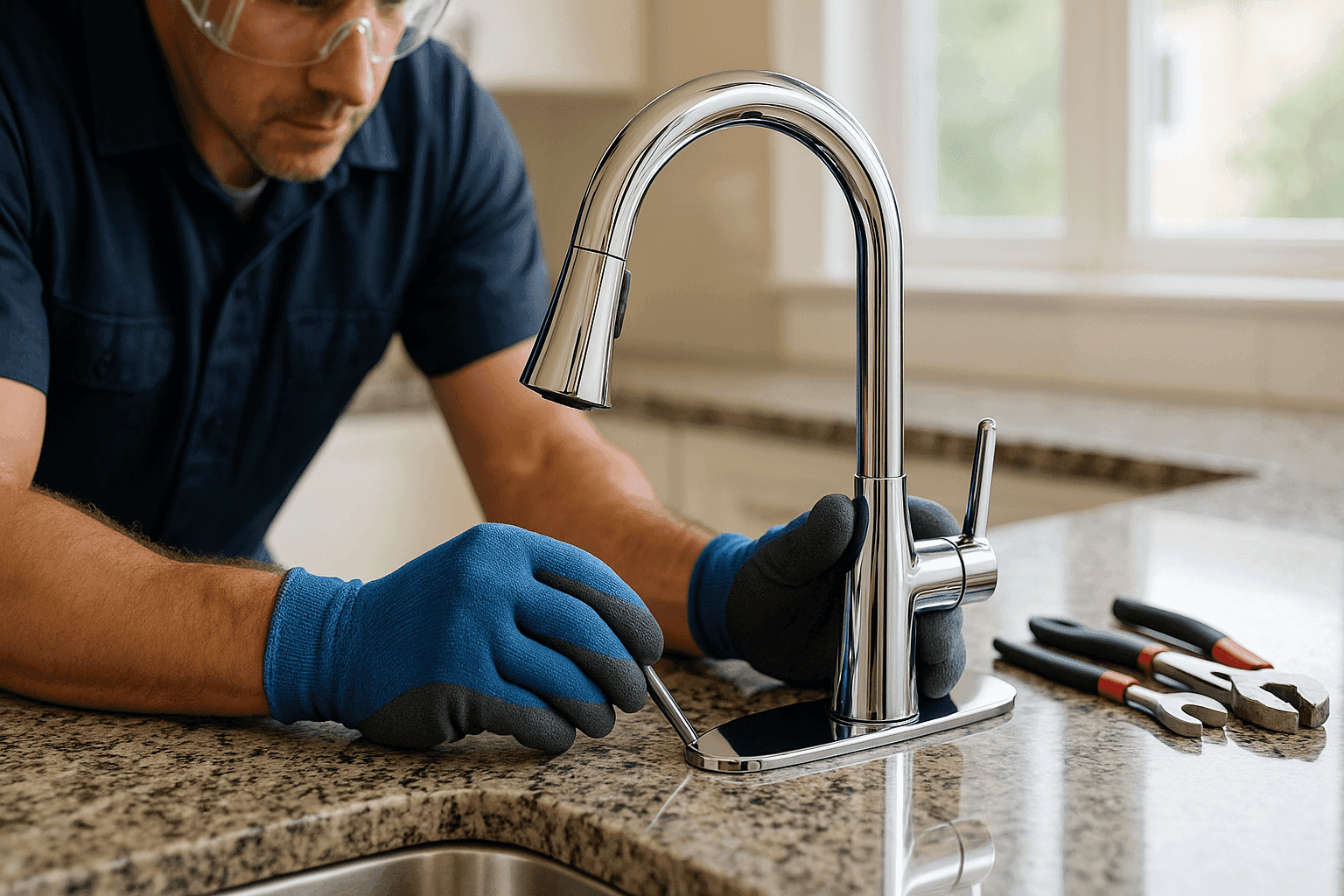
Upgrading your home’s faucets, sinks, or showers can feel like a leap into the unknown. Maybe your kitchen faucet drips like a leaky canoe. Or your shower looks straight out of another decade. Small changes make a big difference. But where do you even start?
At Lords Plumbing, we’ve helped thousands of homeowners tackle fixture upgrades—fast, safe, and code-compliant. Whether you’re itching for a DIY project or want the peace of mind only a licensed plumber brings, this guide is for you.
Choosing New Fixtures 🛁
Swapping out a faucet or showerhead is more than just a style update. It’s about fit, function, and long-term savings. Here’s how to pick fixtures that last:
- Check Compatibility: Not all sinks or showers fit every fixture. Measure hole spacing (centerset vs. widespread for faucets). For showers, verify valve types and wall depth.
- Match Finishes: Chrome, brushed nickel, matte black—choose one finish and stick with it throughout your kitchen or bath for flow. Mixing metals can look messy.
- Flow Rate Matters: WaterSense-labeled models save water (and cash). Some towns require these by law.
- Durability: Solid brass internals outlast plastic. Look for ceramic disc valves in faucets—they’re the tortoise in the race.
- Local Water Conditions: Hard water? Opt for fixtures with easy-clean spray faces to avoid scale buildup. In some regions, supply lines and codes differ—ask your local plumbing inspector or refer to your municipality’s plumbing standards.
DIY Installation Steps
Ready to roll up your sleeves? Here’s a practical, step-by-step approach for installing a new faucet, sink, or shower fixture.
1. Shut Off Water
There’s no glory in a surprise indoor fountain. Locate the shutoff valves—usually under the sink or near the fixture. If you don’t see individual valves, you’ll need to shut off the main supply.
2. Gather Your Tools
Before you start, make sure you have:
- Adjustable wrench
- Basin wrench (for tight spaces)
- Plumber’s tape (Teflon tape)
- Bucket and towels
- Screwdrivers
- Silicone caulk (for sinks)
- Flashlight
3. Remove the Old Fixture
- Loosen supply lines with your wrench.
- Unscrew mounting nuts under the sink or behind the shower wall plate.
- Gently lift out the old fixture. Have a rag handy for leftover water.
4. Prep the Area
Wipe down surfaces. Scrape away old caulk or putty. A smooth, clean foundation means fewer leaks.
5. Install the New Fixture
- Sinks & Faucets: Set the gasket or plumber’s putty where the fixture meets the sink. Insert through holes. From below, hand-tighten mounting nuts, then snug gently with a wrench.
- Showers: Secure the valve body (if replacing). Attach trim plate, handle, and showerhead. Use plumber’s tape on threaded connections.
- Supply Lines: Connect flexible hoses or pipes. Don’t overtighten—just snug.
6. Turn On Water and Check for Leaks
Open valves slowly. Watch every connection—look for slow drips, not just gushing water. Run the water for a minute or two. Check below for hidden leaks.
7. Seal and Test
Apply silicone caulk around sinks or base plates if needed. Let it cure. Test hot and cold—verify full range of motion and steady flow.
When to Call a Pro
Sometimes, even the most determined homeowner hits a wall. Here’s when to wave the white flag and call Lords Plumbing:
- Can’t Find a Valve: Some old homes hide shutoffs like buried treasure.
- Frozen or Corroded Pipes: Forcing it can turn a fixture swap into an emergency plumbing disaster.
- Odd Noises or Water Hammer: These can signal pressure issues or loose pipes.
- Upgrading Supply Lines: Swapping copper for PEX? Let a pro handle cutting and joining.
- Code Compliance: Every town has quirks. Professional plumbers know what passes inspection, avoiding costly re-dos.
With pro installation, you get more than a working faucet. You get peace of mind—installations done to the latest codes, manufacturer warranties intact, and zero guesswork.
Avoiding Common Mistakes 🚫
Fixture installation is a dance—one wrong step can flood your plans. Watch out for these missteps:
- Skipping the Shutoff: Always turn off water. Even “quick swaps” can go sideways fast.
- Forgetting Plumber’s Tape: Threads need a seal. Skipping tape invites leaks.
- Overtightening: More force isn’t better. You can crack fittings or strip threads.
- Mismatched Finishes: That new matte black faucet will clash with chrome handles.
- Ignoring Codes: Many regions require backflow prevention or specific pipe materials. Skipping these can mean fines or failed inspections.
- Not Leak Testing: Always check every connection before declaring victory.
Fixture Installation: Local & Seasonal Considerations
Not all homes are built the same. Here’s what to keep in mind based on where you live:
- Cold Climates: Pipes near exterior walls freeze easily. Use insulated supply lines.
- Old Homes: May have non-standard spacing or unusual pipe materials (galvanized, lead). Special fittings or adapters may be needed.
- High Mineral Content Water: In regions with hard water, scale can clog new fixtures fast—add a water filtration system for protection.
- Regional Codes: Some areas require pressure-balancing shower valves (for scald prevention), or restrict certain finishes and flow rates. Always check with local authorities or the International Plumbing Code.
Why Professional Installation Matters
Professional installation isn’t just about convenience. It’s about safety, efficiency, and longevity:
- Warranty Protection: Manufacturers often require pro installation for full coverage.
- Code Compliance: Licensed plumbers follow state and local regulations.
- Leak-Proof Results: Pros test every joint—no slow drips sneaking up on you later.
- Gas & Water Safety: For gas lines or complex valve swaps, a pro keeps your household safe.
- Right the First Time: No wasted weekends or surprise trips to the hardware store.
Frequently Asked Questions
Q: Can I install a new faucet or shower fixture myself?
A: Many homeowners can, with patience and the right tools. But plumbing can throw curveballs—hidden corrosion, odd pipe sizes, or supply line surprises. If in doubt, or for anything gas-related, call a professional.
Q: How do I know if my new fixture will fit?
A: Measure carefully—hole spacing, pipe size, and thread type. Check manufacturer specs, and compare to your current setup. In older homes, expect the unexpected.
Q: What should I do if I spot a leak after installation?
A: Shut off water immediately. Tighten connections gently, or reseal threads with plumber’s tape. Persistent leaks? Don’t risk water damage—call Lords Plumbing.
Q: Are there any codes I need to follow?
A: Yes. Most areas follow the International Plumbing Code or local variations. Backflow prevention, approved supply lines, and pressure-balancing valves are common requirements. Always double-check.
Seasonal & Local Sizing: What Homeowners Should Know 🌦️
Winter chills? Summer drought? Pipe sizes and fixture compatibility can vary by region. In older neighborhoods, plumbing may not match today’s standards. For example:
- Pipe Diameter: Some homes use 3/8” lines, others 1/2”. Using the wrong size can choke water flow—or leak.
- Water Pressure: High or low? This affects fixture performance. Consider a pressure regulator if needed.
- Building Codes: Always consult your city’s building department or the International Association of Plumbing and Mechanical Officials (IAPMO) for up-to-date local code requirements.
Upgrade With Confidence
Swapping a faucet or showerhead doesn’t have to keep you up at night. With the right tools, a careful approach, and a bit of patience, you can refresh your space and avoid common pitfalls. But remember—when the job gets tricky, emergency plumbing help is just a call away.
Call Lords Plumbing now — or reach us anytime at 877-779-1505 .