Garbage Disposal Repair: Troubleshooting and Maintenance Tips
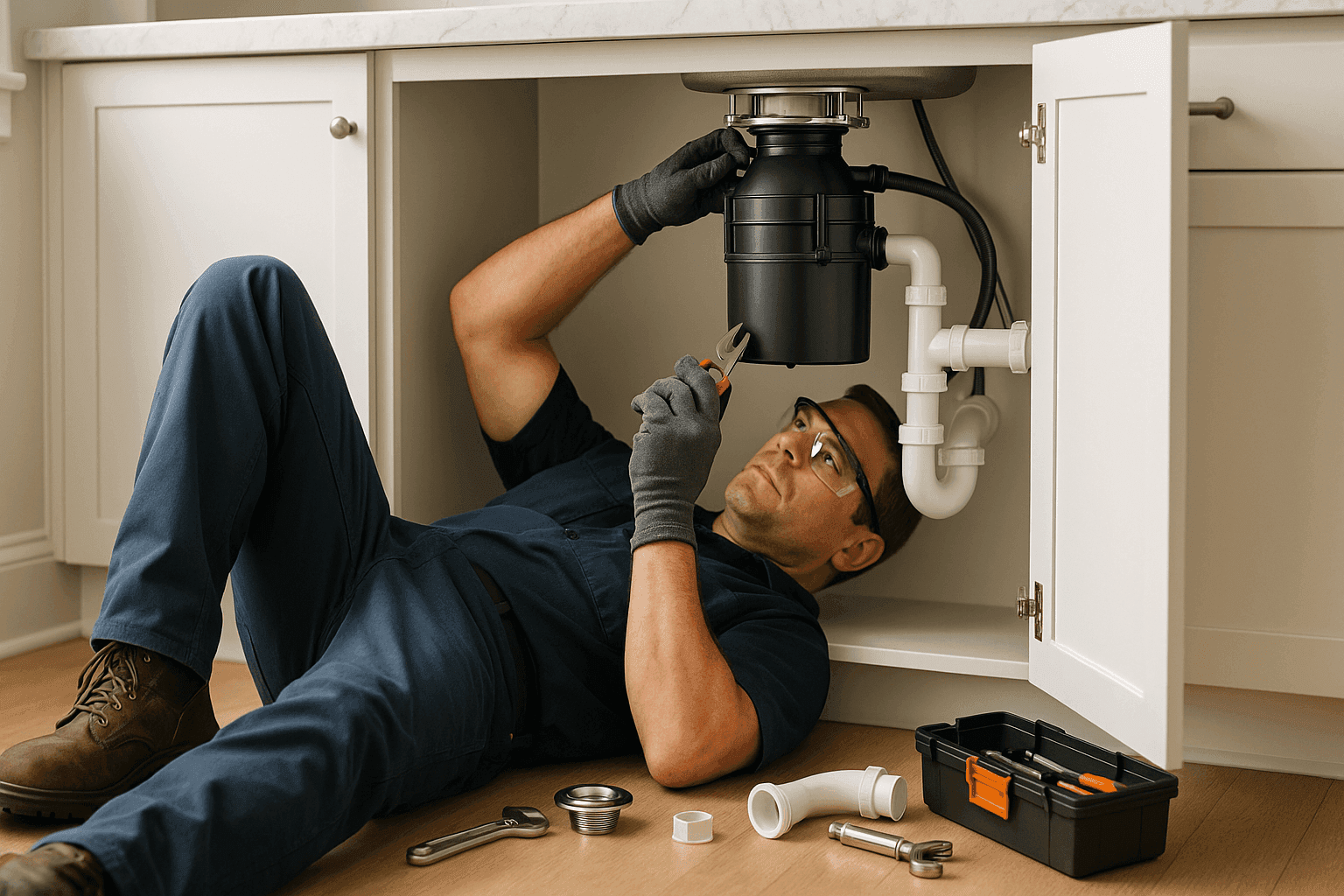
Garbage disposals make kitchen cleanup a breeze—until they don’t. A sudden jam, a strange hum, a puddle under the sink. That’s when panic sets in. At Lords Plumbing, we understand how crucial a working disposal is for your home.
Whether it’s late at night or during a busy family breakfast, disposal problems can’t wait. Here’s how to tackle the most common issues, know when it’s time for emergency plumbing near you, and keep your kitchen running smoothly.
Common Disposal Problems
Even the toughest disposals have limits. Here are the headaches homeowners face most often:
- Jammed Blades: The unit hums but won’t spin. Sometimes a stray spoon or fibrous veggie is the culprit.
- Reset Button Issues: The motor overheats, trips the safety, and the disposal won’t start.
- Leaks Under the Sink: Water puddles near the base or at pipe joints.
- Foul Odors: Old food trapped inside creates a lingering stink.
- Unusual Noises: Grinding, rattling, or screeching sounds that spell trouble.
Picture your disposal as the kitchen’s unsung hero. Like any hero, it needs care to avoid defeat.
Safe DIY Troubleshooting 🛠️
Before you reach for tools—or the phone—run through these steps. Safety is king.
Quick Safety Checklist
- Unplug the Disposal: Always cut power first, either by unplugging or switching off the breaker.
- Never Use Bare Hands: Use tongs or pliers to remove objects.
- Don’t Force Moving Parts: Forcing the blades can cause injury or damage.
- Check the Reset Button: Located at the bottom, this red or black button pops out during overloads.
- Test for Leaks: Wipe all connections dry, then run water and look for drips.
DIY Steps for Minor Jams
- Turn Off Power: Double-check! No electricity means no accidents.
- Use an Allen Wrench: Insert into the bottom slot and gently turn back and forth to free stuck blades.
- Remove Blockages: With long-handled tongs, pull out any debris.
- Press the Reset Button: Wait a few minutes if the motor overheated, then reset.
- Run Cold Water: Flush the system after clearing the jam.
If the issue repeats or the disposal won’t run, don’t push your luck. Some problems signal deeper trouble.
When to Call a Plumber
Certain disposal issues need professional hands, especially for emergency plumbing near you:
- Persistent Jams: If you’ve cleared the chamber and it’s still not working.
- Electrical Failures: No power, humming without action, or tripped circuits.
- Serious Leaks: Water pooling under your sink, especially near electrical outlets.
- Frequent Resets: Constantly needing to press the reset button.
- Burning Smells or Smoke: This needs immediate attention.
Attempting repairs beyond your comfort zone can risk injury, void warranties, or even violate local electrical codes. Every region has different rules for kitchen appliance wiring—check your area’s requirements or let Lords Plumbing handle it safely.
Preventative Care & Maintenance 🚰
Keep your disposal running like clockwork. Simple habits go a long way.
- Run Cold Water: Always before, during, and after use.
- Feed Slowly: Avoid overloading; push scraps in gradually.
- No Hard or Fibrous Foods: Bones, corn husks, and celery strings can jam the blades.
- Freshen with Ice and Citrus: Grind small ice cubes and lemon peels to clean and deodorize.
- Clean Safely: Pour baking soda and vinegar, let fizz, then flush with cold water.
Avoid harsh chemicals—they can corrode internal components. The U.S. Consumer Product Safety Commission warns that improper cleaning or repair is a top cause of disposal injury.
Costs & Time Factors
How much and how long depends on the problem:
- Minor Unclogging: Can be resolved in minutes if caught early.
- Leak Repair or Electrical Fix: May take one to two hours, depending on access and parts.
- Full Replacement: Typically requires 1–2 hours for removal and professional installation.
Costs will also depend on your local rates and if emergency plumbing services are needed outside regular hours.
When It’s an Emergency
Sometimes a disposal problem can’t wait:
- Flooding or Major Leaks: Water under the sink can quickly damage cabinets and flooring.
- Electrical Hazards: If water reaches outlets or wiring, shut power and call immediately.
- Unusual Odors or Burning Smell: Indicates possible electrical short or motor burnout.
In these cases, shut off power and water, then call for emergency plumbing near you.
FAQ: Garbage Disposal Repair
Q: Why does my disposal keep jamming?
A: Often, it’s due to putting in fibrous or hard items. Overloading can also cause jams.
Q: Is it okay to use hot water?
A: Stick with cold water. Hot water can melt fats, which then solidify and clog pipes.
Q: What foods should I avoid?
A: No bones, eggshells, coffee grounds, or starchy veggies like potato peels.
Q: Can I install a disposal myself?
A: Some can, but electrical codes vary by region. Professional installation ensures safety and compliance.
Local & Seasonal Considerations 🌦️
In colder months, pipes and disposals can freeze if not used regularly—especially in older homes. Regional electrical codes, such as the National Electrical Code (NEC) in the US or local amendments, may require specific wiring methods or GFCI outlets under the sink. Always check your local requirements before DIY installation or repairs.
For homes in areas with hard water, mineral buildup can shorten disposal life. Schedule regular preventative checks and cleaning to keep everything flowing.
Kitchen panic? Don’t let a broken garbage disposal ruin your routine. Call Lords Plumbing now — or reach us anytime at 877-779-1505 .