How to Unclog Any Toilet: DIY and Pro Solutions
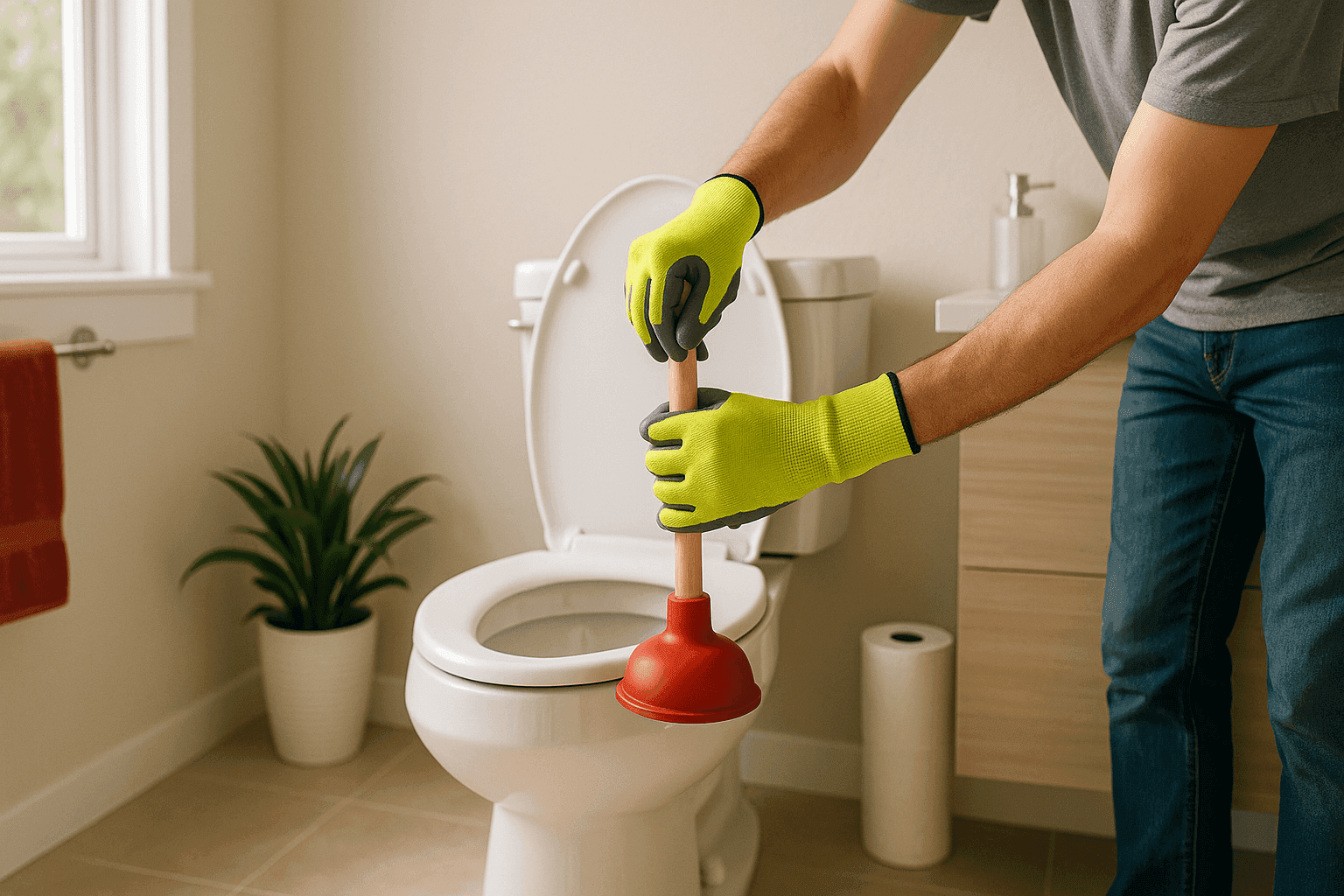
There’s almost nothing that brings a busy household to a standstill faster than a clogged toilet. Whether it’s the morning rush or a midnight emergency, you need answers—and fast. At Lords Plumbing, we’ve seen every kind of clog imaginable. We know what works, what doesn’t, and how to keep your home running smoothly.
If you’re facing a stubborn toilet, you’re not alone. But you’re also not powerless. Let’s get your bathroom back on track with practical solutions, smart prevention tips, and solid advice from licensed professionals.
Types of Toilet Clogs 🚽
Not all clogs are created equal. Some are a quick fix; others signal deeper trouble.
Common clog types:
- Paper jams: Too much toilet paper in one flush, especially with low-flow toilets or older plumbing.
- Non-flushables: Wipes (even “flushable” ones), feminine hygiene products, or small toys—these just don’t break down.
- Deep blockages: Built-up scale, roots, or debris further down the line.
- Recurring slow drains: Often linked to partial blockages or venting issues in older homes.
What not to flush: If it isn’t waste or toilet paper, keep it out of the toilet. According to the EPA, even so-called “flushable” wipes can block pipes and cause expensive backups.
Quick Safety Checklist 🛑
Rushing into a clog can make things worse. Stay safe—check these before you start:
- Turn off the water: Find the shut-off valve behind the toilet. If things get messy, you’ll be glad you did.
- Protect the floor: Lay down old towels or newspapers.
- Wear gloves: Toilets are full of germs.
- Ventilate: Open a window or run the fan if you use any cleaning products.
- No plunging with chemicals: If you’ve already poured a drain cleaner, avoid splashing or mixing with other products.
Best DIY Unclogging Tools
When it comes to unclogging, a few simple tools get the job done—no magic, just proven methods.
Plunger Technique
The humble plunger is your first line of defense. But technique matters:
- Choose the right plunger: A flange (bell-shaped) plunger seals best. Cup plungers (flat bottom) are for sinks.
- Get a tight seal: Place the plunger over the drain hole, making sure it covers completely.
- Push and pull: Start gently to avoid splashing, then plunge forcefully—about 10–20 times.
- Test the flush: If water drains, try a gentle flush. If not, repeat or move on.
Using a Toilet Auger (Plumber’s Snake)
When a plunger isn’t enough, a toilet auger reaches deeper:
- Insert the end: Feed the flexible cable into the bowl’s drain.
- Crank and twist: Rotate the handle to break through the blockage.
- Retrieve or push through: Sometimes you’ll pull out the clog; other times, you’ll clear the path.
The Hot Water Trick
For minor clogs (no standing water):
- Heat a bucket of water until hot (not boiling).
- Pour it from waist height into the bowl to add force.
- Let it sit for a few minutes, then try flushing.
What Not to Do
- No coat hangers: These can scratch porcelain and damage pipes.
- No excessive force: Too much pressure can crack older toilets.
- Don’t flush repeatedly: This risks overflow and a bigger mess.
When to Avoid Chemicals
Chemical drain cleaners promise quick fixes—but they rarely deliver for toilets. Here’s why:
- Corrosive to pipes: Especially dangerous in older or galvanized plumbing.
- Harmful to septic systems: Chemicals can kill beneficial bacteria.
- Dangerous fumes: Mixing cleaners (even by accident) can be hazardous.
If you’ve already used a chemical: Wait several hours before plunging, and wear eye/hand protection. For persistent clogs, skip chemicals and opt for safer methods or call for emergency plumbing near you.
Signs You Need a Pro 👷
Some toilet clogs just aren’t meant for DIY. Here’s when it’s time to call Lords Plumbing:
- Water backs up into tubs or sinks: Signals a main line issue.
- Multiple slow drains: Clogs may be deeper than you can reach.
- Standing water won’t budge: Plunger or auger fails after several tries.
- Recurring clogs: Especially in older homes or low-flow toilets—could be a sign of venting or pipe problems.
- Strange gurgling sounds: May indicate blocked vents or sewer gas issues (see local code for venting requirements).
What Pros Do On Arrival
When you call in the cavalry, here’s what licensed plumbers bring to the table:
- Full assessment: We’ll check for visible clogs, test other drains, and inspect venting.
- Professional-grade augers: Longer, sturdier tools for deep blockages.
- Video inspection: For stubborn or recurring clogs, a small camera can spot roots, breaks, or foreign objects.
- Safe clearing: No caustic chemicals, no pipe damage—just proven methods.
- Advice for prevention: We’ll help you keep it from happening again.
Prevention & Maintenance
An ounce of prevention really is worth a pound of plunging. Here’s how to keep your toilets flowing freely:
- Flush wisely: Only waste and toilet paper.
- Use less paper: Especially with low-flow toilets—flush more often, if needed.
- Childproof bathrooms: Keep small items and toys away from the toilet.
- Annual plumbing checks: Regular inspections spot small issues before they become emergencies (see local plumbing codes for recommended schedules).
- Watch for slow drains: Early action prevents bigger clogs.
Costs & Time Factors
Every clog is different, but here’s what usually affects cost and time:
- DIY: Plunging or augering can take 10–30 minutes.
- Professional service: Most residential clogs are cleared within an hour. Deep blockages or sewer line problems may take longer.
- Older homes: Pipes may be more fragile—sometimes requiring more care or specialized tools.
- Low-flow toilets: More prone to paper jams, but repairs are often straightforward.
When It’s an Emergency 🚨
Some toilet problems can’t wait. Call for emergency plumbing near you if:
- Overflow won’t stop: Shut off the water and call immediately.
- Multiple fixtures clog: Could be a main line blockage.
- Water damage risk: Any sign of flooding—act fast to prevent costly repairs.
- Sewage smells or visible backup: Health hazard; don’t delay.
FAQ
Q: Can I use dish soap to unclog a toilet?
A: Yes, a small squirt of dish soap plus hot (not boiling) water can help break down minor clogs.
Q: Should I flush flushable wipes?
A: No. Despite the label, most wipes don’t break down and can cause clogs, especially in low-flow or older toilets.
Q: Why does my toilet keep clogging?
A: Could be excess paper, non-flushables, venting issues, or old pipes. If it happens often, have a plumber check your system.
Q: My plunger isn’t working—what next?
A: Try a toilet auger. If that fails, call for professional help to avoid damaging the toilet or pipes.
Local & Seasonal Considerations
If your home has older plumbing, clogs can be more than a nuisance—they can signal aging pipes or tree root intrusion. In colder months, pipes may contract, tightening clogs or causing new ones. Low-flow toilets, common in eco-friendly renovations, save water but may require more frequent maintenance and careful flushing habits.
If you’re in an area with hard water, mineral buildup can narrow pipes over time. Regular cleaning and preventative maintenance keep everything moving smoothly.
—
Toilets don’t have to be a mystery—or a headache. Most clogs can be tackled with the right tools and a little know-how. For the rest, Lords Plumbing is here—day or night.
Call Lords Plumbing now — or reach us anytime at 877-779-1505 .