Kitchen Plumbing Problems: DIY Fixes and When to Call a Pro
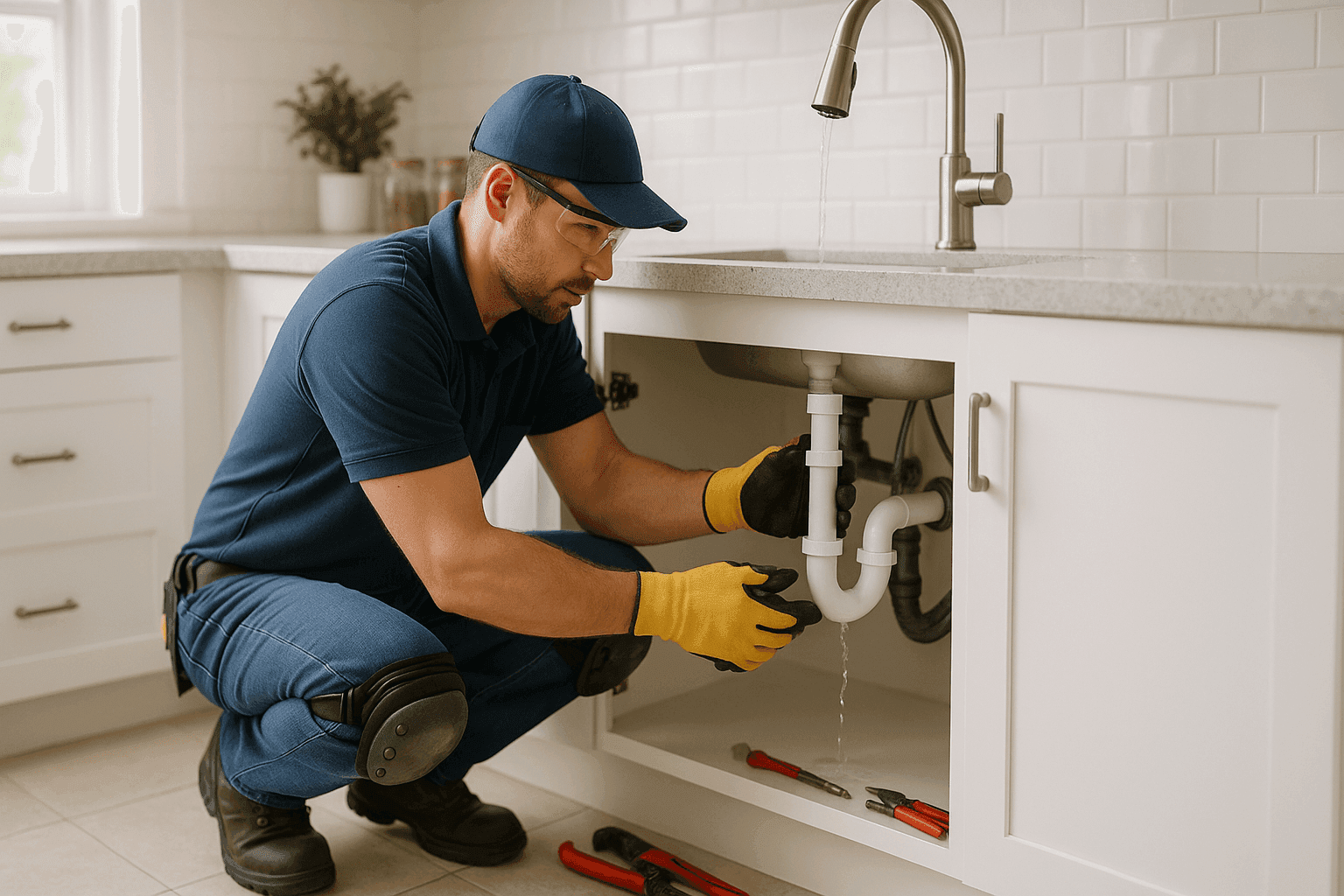
Tackling kitchen plumbing issues can feel like trying to cook dinner with the power out—messy, stressful, and often urgent. Leaks spring up from nowhere. Drains clog at the worst moment. And suddenly, you’re wondering if that strange sound from the garbage disposal is normal. Whether you’re in the heart of the city or out where the roads turn to gravel, plumbing problems don’t wait for business hours.
At Lords Plumbing, we know these worries because we see them every day. Here’s a clear guide to handling the most common kitchen plumbing problems—when you can fix them yourself, and when it’s time to call in emergency plumbing near you.
Most Common Kitchen Plumbing Issues 🚰
Every kitchen has its share of plumbing headaches. Some are simple. Others can flood your day with stress. Here are the most frequent culprits:
- Leaky Faucets: That steady drip is more than an annoyance—it’s money down the drain and a sign of worn washers or faulty parts.
- Clogged Drains: Food scraps, grease, or even soap scum can slow things to a standstill.
- Garbage Disposal Jams: That loud hum without the grind? Something’s stuck or the motor’s overheated.
- Dishwasher Connection Leaks: Puddles on the floor may mean loose hoses or cracked fittings.
Problems like these can signal bigger trouble—hidden leaks, pipe corrosion, or failing valves. Whether your water comes from a city main or a rural well, the signs and symptoms are often the same.
Quick Safety Checklist
Before you reach for the wrench or bucket, take a minute for safety:
- Turn off the water supply: Look under the sink for shut-off valves. If the leak is severe, use your home’s main shut-off.
- Unplug electrical appliances: Water and electricity don’t mix. Always disconnect garbage disposals or dishwashers before working nearby.
- Wear gloves: Sharp edges, hot water, and cleaning agents can harm your skin.
- Check for gas lines: If your kitchen plumbing involves gas (like for a stove or water heater), leave repairs to licensed professionals.
- Have towels and a bucket ready: Even a small leak can surprise you with how much water escapes.
DIY Solutions for Kitchen Plumbing Problems
Some jobs are as simple as changing a light bulb. Others require a little elbow grease—and caution.
Leaky Faucets
- Identify the leak: Is it the handle, spout, or base?
- Shut off water: Twist the valve under the sink.
- Disassemble the faucet: Use a screwdriver or wrench. Take photos as you go to remember the order.
- Replace washers or O-rings: These rubber parts wear out first. Bring them to the hardware store for a match.
- Reassemble and test: Turn the water back on and check for drips.
Clogged Drains
- Try a plunger: A few firm pumps can clear minor clogs.
- Use a drain snake: For stubborn blockages, a hand auger can reach deeper.
- Avoid chemical cleaners: They can damage pipes and aren’t safe for septic systems (EPA recommends mechanical removal over chemicals).
- Flush with hot water: Once cleared, pour a kettle of hot water to wash away residue.
Garbage Disposal Jams
- Turn off power: Unplug the unit or shut off the breaker.
- Remove visible obstructions: Use tongs or pliers, never your hands.
- Reset the unit: Most have a red button underneath.
- Test: Restore power and run cold water while operating.
Dishwasher Connection Leaks
- Check hose clamps: Tighten loose fittings with a screwdriver.
- Inspect for cracks: Replace any damaged hoses.
- Clean filters: Clogged filters can cause water to back up.
When to Avoid DIY and Call a Pro 🛑
Sometimes, a quick fix isn’t enough. Here’s when you should put the tools down and call Lords Plumbing:
- Persistent leaks: If the drip won’t quit, even after new washers, there could be pipe damage inside the wall.
- Water pooling under cabinets: This can mean a burst pipe or major seal failure—risking mold and costly damage.
- Foul odors or slow drainage: These symptoms might point to deeper blockages or vent problems.
- Noisy pipes (banging, rattling): Could signal a water hammer or loose mounts—risking long-term pipe damage.
- Garbage disposal won’t reset: If it hums but doesn’t spin, the motor might be failing.
- Dishwasher leaks persist: Water under appliances could mean a cracked drain pan or faulty valve.
- Visible corrosion or rusty water: Internal pipe damage can’t be safely fixed without professional tools.
If you’re on a well system, low pressure or strange water color could mean a supply issue or pump failure. In city water systems, recurring blockages may point to mainline issues. In either case, emergency plumbing near you is the safest bet.
What Pros Do On Arrival
When Lords Plumbing arrives, you get more than a wrench and a smile. Our licensed technicians:
- Inspect with specialized tools: Moisture meters, cameras, and pressure gauges find hidden leaks and diagnose issues.
- Comply with local codes: Repairs are made to standards set by the International Plumbing Code (IPC) and local safety guidelines.
- Isolate and fix problems at the source: Whether it’s a faulty shut-off, corroded pipe, or failed appliance connection.
- Test all related fixtures: We look for signs of trouble elsewhere to prevent repeat emergencies.
- Provide clear, written findings: You’ll know exactly what was fixed and any steps to help prevent future issues.
Preventative Tips to Avoid Kitchen Plumbing Problems 🛠️
An ounce of prevention is worth a pound of cleanup. Here’s how to keep your kitchen running smoothly:
- Don’t pour grease down the drain: It solidifies and causes stubborn clogs.
- Use sink strainers: Catch food scraps before they enter the pipes.
- Run cold water with the garbage disposal: Prevents motor overheating and flushes debris.
- Regularly check under the sink: Early signs of leaks are easier to fix than water-damaged cabinets.
- Schedule annual plumbing checks: Just like a car, your pipes need routine maintenance.
- Know your water pressure: High pressure can strain seals and joints (recommendation: 40–60 psi for most residential systems, per the Plumbing-Heating-Cooling Contractors Association).
Costs & Time Factors
Every repair is unique, but here’s what to expect:
- DIY fixes: Clearing clogs or tightening hoses can take 20–60 minutes and cost just a few dollars in supplies.
- Professional repairs: Faucet or disposal replacements may take 1–2 hours. Complex leaks hidden behind cabinets or walls could take longer, especially if parts need ordering.
- Hidden costs: Water damage restoration, mold remediation, or pipe rerouting can add time and expense.
- After-hours emergencies: Emergency plumbing near you may incur higher rates for nights, weekends, or holidays.
When It’s an Emergency
If you notice any of the following, act fast and call emergency plumbing near you:
- Rapidly spreading water: Flooding can damage floors, cabinets, and even your home’s foundation.
- No water at all: Total loss of supply can signal a mainline break or major pipe burst.
- Unusual odors (gas, sewage, burning): Evacuate and call for help—these can be life-threatening.
- Signs of electrical shock: Water inside outlets or near appliances is extremely hazardous.
- Multiple fixtures affected: If sinks, dishwashers, and disposals all fail at once, the issue is likely in your main line.
FAQ
Why does my kitchen sink keep clogging?
Usually, it’s a build-up of grease, soap, and food scraps. In older homes, pipe scale or tree roots can play a part. Regular cleaning and not dumping grease help—but if clogs recur, a professional inspection is wise.
Can a leaky faucet really waste that much water?
Yes. According to the U.S. Environmental Protection Agency (EPA), a single drip per second can waste over 3,000 gallons annually. That’s enough for dozens of dishwasher loads.
Is it safe to use chemical drain cleaners?
Not recommended. They can corrode pipes, harm septic systems, and are hazardous if mixed with other chemicals. Mechanical removal is safer and more effective (see National Association of Home Builders guidelines).
My garbage disposal smells bad. What can I do?
Run cold water and grind ice cubes with a slice of lemon. Avoid putting fibrous foods (celery, onion skins) down the disposal. Persistent odors may mean trapped food or a failing unit.
Local and Seasonal Considerations 🌦️
Whether you’re in a high-rise or a farmhouse, local factors matter:
- City water systems: May have higher pressure. Check for pressure-reducing valves and backflow preventers.
- Rural homes: Wells and septic systems are more sensitive to blockages and chemical cleaners.
- Cold climates: Frozen pipes under kitchen sinks are common in winter. Open cabinet doors during deep freezes and insulate pipes.
- Hard water areas: Mineral deposits can clog aerators and valves. Install water filtration or softener systems if needed.
No matter where you live, kitchen plumbing problems don’t keep regular hours. Lords Plumbing is here to help—anytime, day or night.
Call Lords Plumbing now — or reach us anytime at 877-779-1505 .