How to Maintain Your Home’s Plumbing System Year-Round
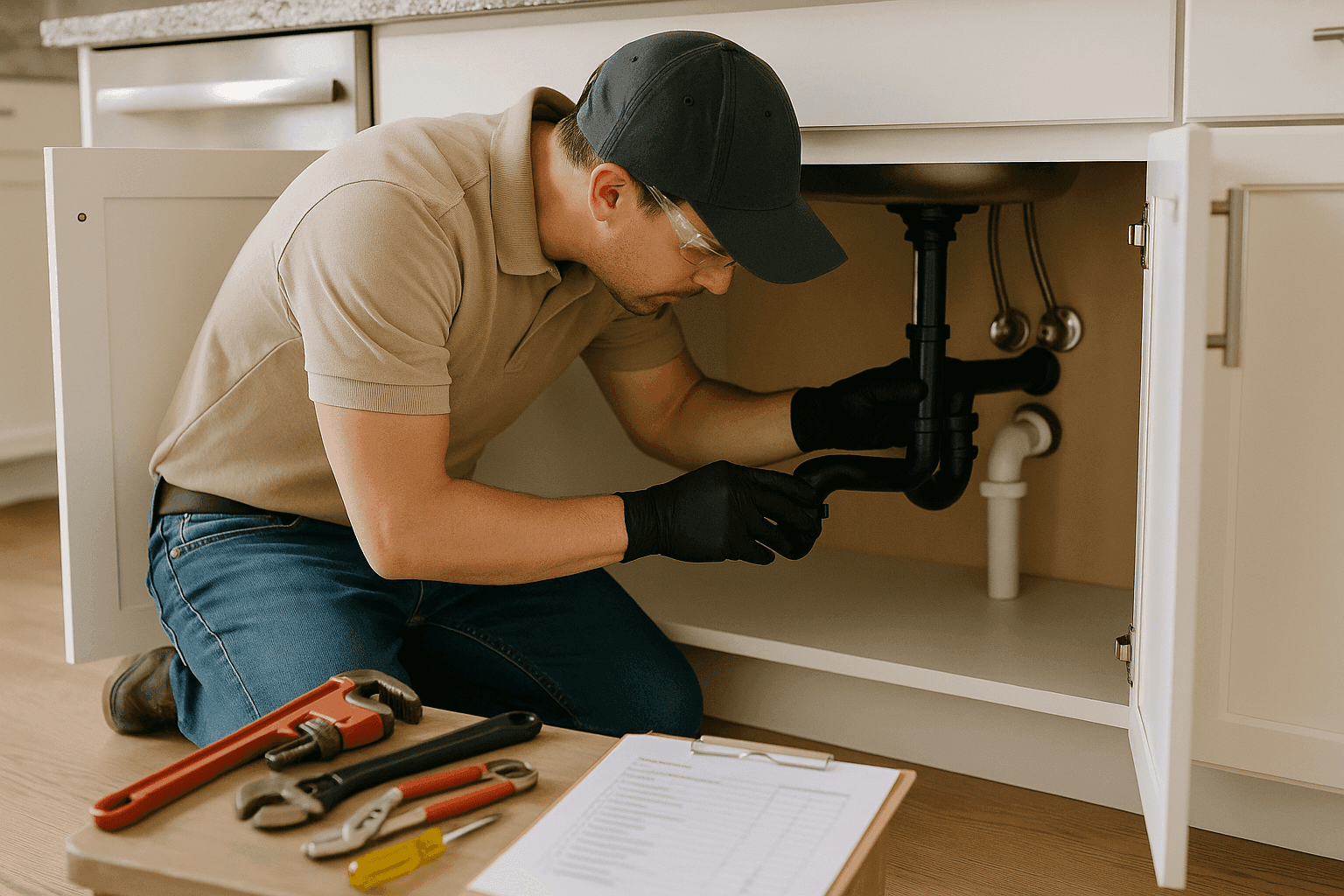
Is your plumbing system quietly working—or quietly plotting its next surprise? Most homeowners and small business owners don’t think about pipes until something goes wrong. A leaky faucet might seem harmless, but it’s often the first domino in a chain of headaches. At Lords Plumbing, we know that a little attention now can save you a flood of trouble later.
Year-round maintenance isn’t just for the pros. With a few simple habits and timely checkups, you can keep your plumbing humming and avoid those frantic emergency plumbing calls at the worst possible moments.
Why Year-Round Plumbing Maintenance Matters
Plumbing is like the circulatory system of your building. Out of sight, out of mind—until there’s a clog, a leak, or a cold shower on a winter morning. Small issues can snowball into major disruptions. Burst pipes, water damage, and sky-high bills are just the tip of the iceberg.
Routine maintenance helps you:
- Spot leaks before they cause structural damage
- Prevent clogs and backups
- Extend the life of your water heater and fixtures
- Save money on repairs and water bills
- Avoid emergency plumbing situations
Ignoring your plumbing is like ignoring a check engine light. Sooner or later, you’ll have to deal with it—often at the worst time.
Quick Safety Checklist 🛠️
Before you roll up your sleeves, keep safety front and center. Here’s a quick checklist:
- Know where your main water shutoff is—and test it once a year.
- Turn off power to water heaters and boilers before inspecting.
- Wear gloves when handling pipes, especially in crawl spaces or basements.
- Never mix cleaning chemicals in drains.
- Use a flashlight for dark, tight spaces.
- Check for gas smells—if you notice any, leave immediately and call for help.
When in doubt, step back and call a licensed plumber.
Spring: Shake Off Winter’s Chill
Spring is the season of renewal—and the perfect time to check for winter’s hidden plumbing damage.
Check for Winter Damage
- Inspect exposed pipes for cracks or leaks. Even hairline cracks can lead to costly bursts.
- Look under sinks and in basements for signs of moisture or water stains.
- Test outdoor spigots by turning them on. If water trickles or leaks inside, you may have a frozen pipe that cracked.
Clear Drains and Gutters
- Remove debris from gutters and downspouts to prevent water pooling near your foundation.
- Pour a kettle of hot water down drains to help clear any lingering grease or soap buildup.
- Use a plunger or a hand auger for slow-draining sinks.
Preventative Maintenance for Drains
- Avoid pouring fats, oils, or coffee grounds down kitchen drains.
- Install mesh strainers in showers and tubs to catch hair and debris.
- Run cold water for 15 seconds after using the garbage disposal.
Summer: Keep Cool and Catch Leaks
Summer brings more than heat—it can reveal hidden plumbing weaknesses.
Water Heater Inspection
- Drain a few gallons from your water heater to flush out sediment. This helps it run efficiently and last longer.
- Check for rust or moisture around the tank’s base.
- Set the thermostat no higher than 120°F to prevent scalding and save energy (U.S. Department of Energy recommendation).
Leak Detection
- Inspect under sinks, around toilets, and behind appliances for dampness or mildew smells.
- Watch for unexplained spikes in your water bill—a classic sign of a hidden leak.
- Test your toilet for leaks by adding a few drops of food coloring to the tank. If color appears in the bowl within 30 minutes, you have a leak.
Preventative Maintenance for Pipes
- Check visible pipes for corrosion or green stains (a sign of slow leaks).
- Tighten any loose fittings with a wrench, but don’t overtighten.
- Listen for banging or whistling noises in pipes—these can signal pressure issues.
Fall: Prepare for the Freeze
Autumn is your last chance to get ready for the cold. A little prep now can prevent frozen pipe disasters.
Outdoor Plumbing Prep
- Disconnect garden hoses and store them indoors.
- Shut off and drain outdoor faucets if possible.
- Insulate exposed pipes in unheated areas like garages and crawl spaces.
Sump Pump Checks
- Test your sump pump by pouring a bucket of water into the pit. The pump should kick on quickly and drain the water.
- Clear debris from the pit and check the discharge line for blockages.
Preventative Maintenance for Fixtures
- Check faucets and showerheads for drips. One drip per second can waste over 3,000 gallons per year (EPA).
- Clean aerators and showerheads with vinegar to remove mineral buildup.
- Replace worn washers or cartridges to stop leaks.
Winter: Insulate and Prepare for Emergencies
When temperatures drop, your pipes are at risk. Winter prep is all about insulation and readiness.
Pipe Insulation
- Wrap foam insulation around pipes in basements, attics, and exterior walls.
- Open cabinet doors under sinks to let warm air circulate.
- Let faucets drip slowly during extreme cold to keep water moving.
Emergency Preparedness
- Know how to shut off water quickly in case of a burst pipe.
- Keep Lords Plumbing’s number handy for emergency plumbing needs.
- Store a basic plumbing repair kit: pipe tape, wrenches, plunger, and towels.
Preventative Maintenance for Water Heaters and Boilers
- Check the pressure relief valve on your water heater—lift the lever and let it snap back. You should hear a gurgle.
- For boilers, check for leaks around valves and connections.
- Schedule a professional inspection if your unit is older or hasn’t been serviced in a year.
Early Leak Detection: The Silent Sentry
Leaks often start small. Like a tiny crack in a dam, they can go unnoticed—until suddenly, you’re ankle-deep in water.
Signs of Hidden Leaks
- Musty odors or unexplained dampness
- Stains on ceilings or walls
- Peeling paint or bubbling wallpaper
- Sounds of running water when all fixtures are off
If you spot these warning signs, don’t wait. Early leak detection is one of the smartest moves you can make.
Routine Drain Cleaning: The Unsung Hero
Clogged drains are more than a nuisance—they can lead to backups and overflows. Regular drain cleaning keeps water flowing and prevents buildup.
DIY Drain Cleaning Tips
- Use a plunger for minor clogs.
- Try a mixture of baking soda and vinegar, followed by hot water.
- Avoid chemical drain cleaners—they can damage pipes and harm the environment.
When to Call a Pro
- Recurring clogs in the same drain
- Multiple slow drains at once (a sign of a main line issue)
- Foul odors that don’t go away
DIY vs. Call a Pro: Knowing Your Limits
Some plumbing tasks are perfect for the weekend warrior. Others are best left to the pros.
DIY Tasks
- Replacing washers or toilet flappers
- Unclogging minor sink or tub drains
- Tightening loose fittings
Call a Pro For
- Major leaks or burst pipes
- Sewer line issues or backflow problems
- Gas line installation or repairs
- Water heater or boiler repairs
Remember, working beyond your comfort zone can turn a small job into a big emergency.
What Pros Do On Arrival
When you call Lords Plumbing, our licensed plumbers arrive ready to assess, diagnose, and resolve the issue safely.
- Inspection: We start by locating the problem—using moisture meters, cameras, and years of experience.
- Containment: Immediate steps are taken to stop water flow and prevent further damage.
- Repair or Replacement: We use industry-standard materials and follow plumbing codes (refer to the Uniform Plumbing Code and National Standard Plumbing Code).
- Testing: After repairs, we test your system to ensure everything is working as it should.
Our goal: fix it right the first time and help you avoid future surprises.
Prevention & Maintenance: Building Good Habits
A few simple habits can make a world of difference.
- Check under sinks monthly for leaks or moisture.
- Flush your water heater every 6–12 months.
- Clean faucet aerators twice a year.
- Schedule professional inspections annually, especially for older systems.
Preventative maintenance is like brushing your teeth. It keeps problems at bay and saves you from bigger headaches down the line.
Costs & Time Factors
Plumbing repairs and maintenance vary in cost and time depending on the job.
- Small fixes (like replacing a washer or unclogging a drain) can take under an hour.
- Larger jobs (like repiping or water heater installation) may take several hours or a full day.
- Emergency plumbing calls often involve after-hours rates and rapid response.
Routine maintenance is usually quick and affordable compared to the cost of emergency repairs or water damage restoration.
When It’s an Emergency
Not every plumbing issue can wait. Here’s when to pick up the phone immediately:
- Burst pipes or major leaks
- Sewer backups or strong sewage odors
- No water or no hot water
- Gas smells or suspected leaks
If you’re unsure, it’s safer to call and ask.
FAQ: Common Plumbing Maintenance Questions
How often should I check for leaks?
At least once a month. Early detection saves money and prevents damage.
Can I use store-bought drain cleaners?
It’s best to avoid harsh chemical cleaners. They can corrode pipes and harm the environment. Stick to plungers, augers, or call a professional.
How do I know if my water heater needs attention?
Watch for rusty water, strange noises, or inconsistent hot water. Annual flushing helps prevent buildup.
What’s the best way to prevent frozen pipes?
Insulate exposed pipes, keep heat on during cold snaps, and let faucets drip during extreme cold.
Special Considerations for Home and Small Business Plumbing
- Backflow Prevention: Install backflow devices to protect your water supply, especially if you have irrigation or fire sprinkler systems.
- Water Filtration: Regularly replace filters and check for leaks around filtration systems.
- Gas Safety Checks: Schedule annual inspections for gas lines and appliances.
- Sewer Line Inspection: If you have large trees nearby, consider an annual camera inspection to check for root intrusion.
Building codes and safety guidelines (like those from the International Association of Plumbing and Mechanical Officials) are there for a reason. Following them protects your property and your peace of mind.
Call Lords Plumbing now — or reach us anytime at 877-779-1505 .