Pipe Installation Basics: From Planning to Final Inspection
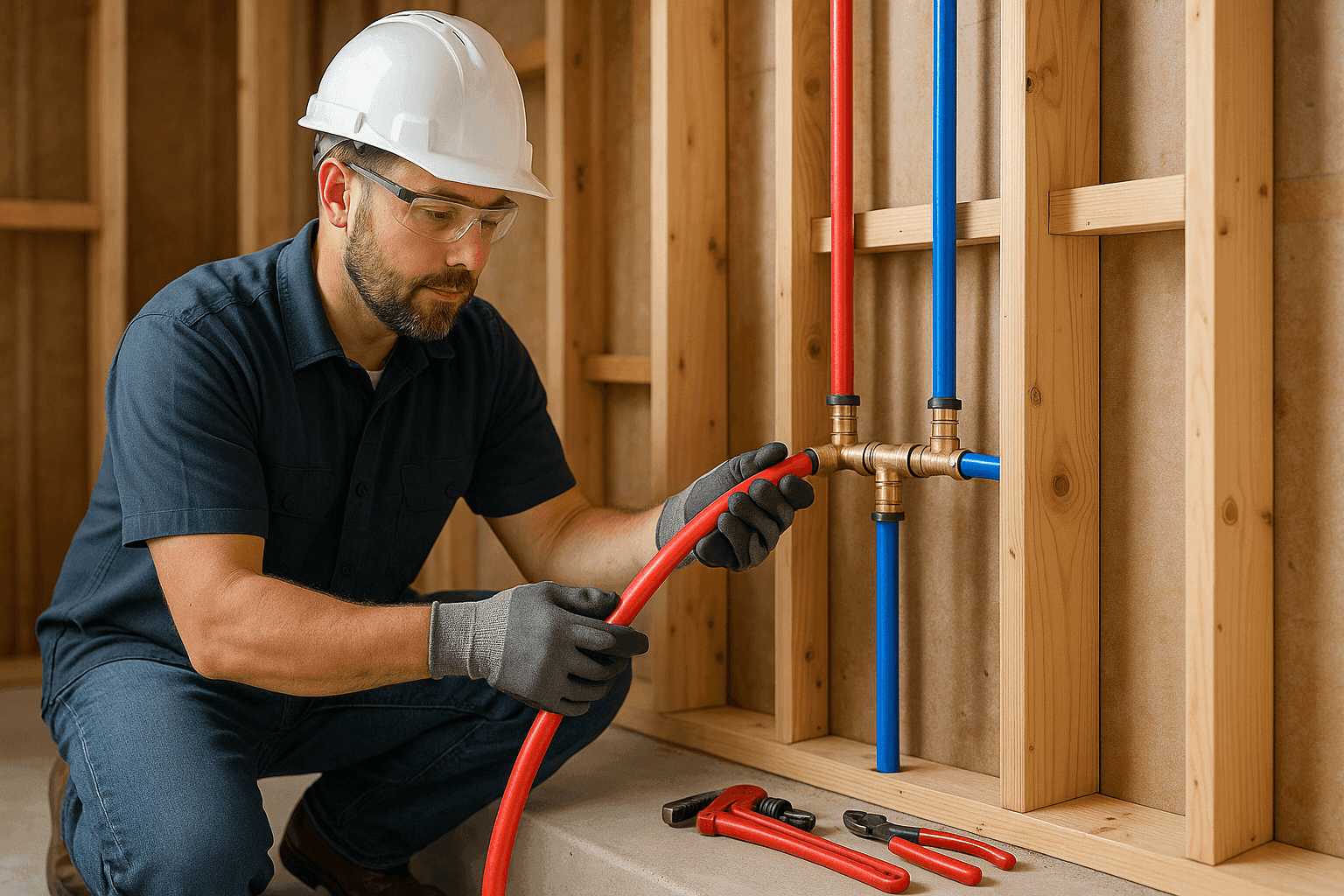
Have you ever stared at an old, rusty pipe and wondered if it was about to give up for good? Whether you’re fixing a leak, upgrading your home, or facing an emergency plumbing issue, understanding how pipe installation works can help you avoid stress and costly mistakes. At Lords Plumbing, we know how overwhelming it can feel to dive into the world of fittings, codes, and inspections. Take a breath. You’re not alone.
Let’s walk through what every homeowner should know about pipe installation—from the basics to the final inspection. If you’re searching for “Emergency Plumbing near you,” you’ll see why it pays to have certified pros on your side.
Types of Pipes and Applications 🚰
The heart of any plumbing system is its pipes. But not all pipes are created equal. Think of them like shoes—what works for hiking won’t cut it at a wedding. Each type has a purpose, and picking the right one is step one.
PEX vs. Copper: The Heavyweights
-
PEX (cross-linked polyethylene):
- Flexible, easy to snake around corners.
- Resistant to freeze-breakage.
- Quick to install, lower labor costs.
- Great for retrofits and tight spaces.
- Not suitable for outdoor use in direct sunlight.
-
Copper:
- Long-lasting (decades or more).
- Handles high heat and pressure.
- Resists bacteria.
- Ideal for exposed or outdoor lines.
- More expensive. Requires skilled soldering.
Other types include PVC (mostly for drains), CPVC (for hot/cold water), and galvanized steel (old homes, but rarely used in new work).
Sizing Up Your Pipes
The diameter matters. Too small, and you get a trickle instead of a shower. Too big, and you’ve wasted money and space. Most homes use:
- 1/2" or 3/4" for supply lines
- 3" or 4" for main drains
Local codes (like the Uniform Plumbing Code or International Plumbing Code) set the minimums. Always check what’s required where you live.
Regional Preferences
Some regions lean heavy on copper for its durability—especially in colder climates. Others, where labor costs bite more than winters, prefer PEX for speed. Your home’s age and local water chemistry also play a role.
Planning Your Project
Installing new pipes isn’t a game of Tetris. Planning is essential.
- Map it out: Sketch your layout. Mark fixtures, shut-offs, and major appliances.
- Calculate demand: More bathrooms mean bigger supply lines.
- Check codes: Many municipalities require permits—even for “simple” jobs.
- Budget: Include materials, labor, and inspection fees.
Permits aren’t just paperwork. They keep you—and your home—safe. Work without one, and you risk fines or failed inspections down the line.
When to Call Lords Plumbing
If you run into:
- Confusing code requirements
- Unusual layouts or old piping
- Gas line installation
- Emergency plumbing needs
It’s time to pick up the phone.
Installation Steps
Pipe installation is a careful dance—one step out of line, and the whole system wobbles.
1. Preparation
- Shut off water and (if needed) gas.
- Protect floors and furniture.
- Gather tools: pipe cutter, wrenches, torch (for copper), crimpers (for PEX).
2. Measuring and Cutting
- Measure twice, cut once. Pipes must fit snugly—too short, and you’ll have leaks; too long, and nothing lines up.
3. Assembling
- PEX: Use expansion or crimp rings. Push, twist, and secure.
- Copper: Clean ends, flux, and solder with care.
- PVC/CPVC: Prime and glue—quickly, before it sets.
4. Securing
- Anchor pipes every 4–6 feet, or as local code requires.
- Leave room for pipes to expand/contract.
5. Connecting Fixtures
- Attach faucets, toilets, heaters, and more.
- Double-check for cross-threading or loose fittings.
Final Inspection and Testing 🛠️
The finish line isn’t when the last pipe is installed. It’s when everything passes inspection—and works as it should.
Code Compliance
Inspectors look for:
- Proper materials and supports
- Correct pipe sizing
- Backflow prevention where needed
- Slope and venting on drains
Certified installers, like those at Lords Plumbing, stay up-to-date with local and state codes. We know what inspectors want to see.
Testing the System
- Water Pressure Test: Pipes are pressurized—any drop means a leak.
- Visual Inspection: Look for drips, corrosion, or misaligned joints.
- Fixture Check: Run water, flush toilets, check drains for speed and noise.
Some localities require photo documentation or signed-off checklists. Always keep your paperwork.
Quick Safety Checklist
- Turn off main water and gas before starting.
- Wear protective gear (gloves, goggles).
- Use tools as intended—never improvise.
- Ventilate the area if soldering or gluing.
- Have a fire extinguisher nearby (for soldering copper).
- Never mix up supply and drain lines.
If you’re ever unsure, stop and call a professional. Safety comes first.
DIY or Hire a Pro?
Some jobs are weekend projects. Others need a steady hand and years of know-how. Ask yourself:
- Is this a minor replacement or full system overhaul?
- Do you need to cut into walls or floors?
- Are you dealing with gas or sewer lines?
- Will this work be inspected by the city?
Simple repairs? Maybe. New lines, gas, or anything behind walls? It’s time for certified help.
What Pros Do On Arrival
A Lords Plumbing technician doesn’t just show up with a toolbox. Expect:
- Full assessment of your current system
- Review of permits and plans
- Careful protection of your home
- Code-compliant installation
- Pressure testing and leak checks
- Cleanup and walk-through
We carry the right tools and know the shortcuts—without cutting corners.
Prevention & Maintenance
A little attention goes a long way.
- Fix small leaks early—before they become floods.
- Insulate exposed pipes, especially in winter.
- Schedule routine inspections every few years.
- Watch for slow drains or water pressure drops.
Preventative maintenance beats emergency plumbing calls at 2 a.m. every time.
Costs & Time Factors
No two homes are the same. Factors that affect your pipe installation costs and timeline:
- Material choice: PEX is quicker and cheaper; copper is pricier, but lasts.
- Number of fixtures: More bathrooms, more kitchen lines = more time and expense.
- Accessibility: Basements and crawl spaces take longer.
- Permits and inspections: Add time, but are non-negotiable.
A basic pipe replacement might take a few hours. Whole-home repiping? Several days.
When It’s an Emergency
Burst pipe at midnight? Major leak behind the wall? That’s when you need “Emergency Plumbing near you.” Quick action can prevent thousands in damage.
- Shut off main water (know where your valve is!).
- Move valuables away from the area.
- Call Lords Plumbing. We respond 24/7.
Never ignore gushing water, sewer backups, or gas smells.
FAQ
What’s the best pipe material for my house?
It depends on your budget, water quality, and local codes. PEX is flexible and fast, copper is durable. Ask a certified installer for advice.
Do I always need a permit for pipe installation?
Most cities require permits for anything beyond a simple repair. Check with your local building department or let your installer handle it.
How do I know if my pipes need replacing?
Look for rusty water, frequent leaks, low pressure, or visible corrosion. Old pipes (over 50 years) may be due for an upgrade.
What if my pipes freeze?
Shut off your water, thaw pipes gently if you can, and call a pro if you suspect a burst. Insulate pipes in unheated areas before winter hits.
Local and Seasonal Considerations ❄️
In colder areas, pipe material and placement are crucial. Pipes in unheated spaces need insulation or heat tape. Southern climates may favor materials less prone to corrosion, like PEX.
Always follow regional building codes. Some towns restrict certain materials (like plastic) or require extra backflow prevention. Your installer should know these rules by heart.
Ready to make your next pipe project stress-free and code-compliant? For emergencies, upgrades, or peace of mind, Call Lords Plumbing now — or reach us anytime at 877-779-1505 .