Pipe Leak Detection: Signs, Causes, and Solutions
Imagine waking up to the sound of dripping water behind your walls. Or stepping onto a soggy carpet and realizing the culprit isn’t a spilled drink. Pipe leaks don’t wait for a convenient moment—they strike when you least expect it.
At Lords Plumbing, we know how fast a small leak can become a big headache. Our emergency plumbing team has seen it all, from hidden pinholes to gushing bursts. Here’s what every homeowner should know about finding, understanding, and fixing pipe leaks before they cause chaos.
Common Signs of Leaks 🚰
Leaks are sneaky. Sometimes they announce themselves with a puddle. Other times, they whisper through subtle clues. Watch for:
- Water stains: Brown or yellow marks on ceilings, walls, or floors are the home’s way of waving a red flag.
- Spiking water bills: If your usage hasn’t changed but your bill has, hidden leaks might be draining your wallet.
- Musty odors: Dampness breeds mold. If your bathroom or basement smells earthy or stale, check for moisture.
- Peeling paint or bubbling wallpaper: Water loosens adhesives and warps surfaces.
- Sounds of dripping or running water: Turn off everything that uses water and listen. Hear a hiss or drip? That’s your clue.
- Reduced water pressure: A leak can steal pressure from your faucets and showers.
- Warm spots on floors: Especially with hot water lines, an unexpected warm patch on tile or carpet can mean trouble underneath.
These signs might not seem urgent at first. But left unchecked, even a tiny leak can cause rot, mold, and expensive damage.
Typical Causes of Pipe Leaks
Plumbing pipes are tough, but they aren’t invincible. Over time, several culprits can poke holes in your home’s defenses:
- Corrosion: Old metal pipes (like galvanized steel or copper) slowly wear down, especially if your water has a low pH or high mineral content.
- High water pressure: Pipes are like balloons—too much pressure and they’ll burst.
- Temperature swings: In cold climates, water freezes and expands in pipes, causing cracks or splits. This is a major winter hazard in older homes.
- Foundation shifts: Over time, the ground moves. This can strain or snap pipes, especially those under concrete slabs.
- Tree roots: Roots seek water. If there’s even a pinhole in an underground pipe, roots can invade and widen the gap.
- Poor installation or repairs: DIY fixes with the wrong materials or loose fittings can set you up for future leaks.
- Wear and tear: Joints, elbows, and flexible hoses often go first, especially in high-use areas like kitchens and bathrooms.
Understanding these causes helps you spot weak points before they fail.
DIY Leak Detection Tricks
Not every leak demands a plumber right away. Try these safe, simple checks:
- The Meter Test: Turn off all water-using appliances and fixtures. Check your water meter. Wait two hours (don’t flush or use water). If the meter moves, you’ve likely got a hidden leak.
- Food Coloring in the Toilet: Put a few drops in the tank, wait 10 minutes. If color seeps into the bowl, your toilet flapper is leaking.
- Paper Towel Test: Wipe along exposed pipes under sinks or in the basement. If the towel picks up moisture, you’ve found your leak.
- Listen Up: At night, when the house is quiet, put your ear to the wall or even use a mechanic’s stethoscope to catch faint dripping or hissing.
- Check Appliances: Look behind washing machines, under dishwashers, and around water heaters for puddles or rust.
Safety tip: If you find standing water near outlets or your breaker box, stay clear. Water and electricity are a dangerous mix. Shut off power if safe, and call for emergency plumbing help.
Professional Leak Location: How Lords Plumbing Finds Hidden Problems 🔎
Some leaks hide deep—inside walls, under slabs, or beneath floors. That’s when it’s time to call “emergency plumbing near you.” Here’s how pros like Lords Plumbing get answers fast:
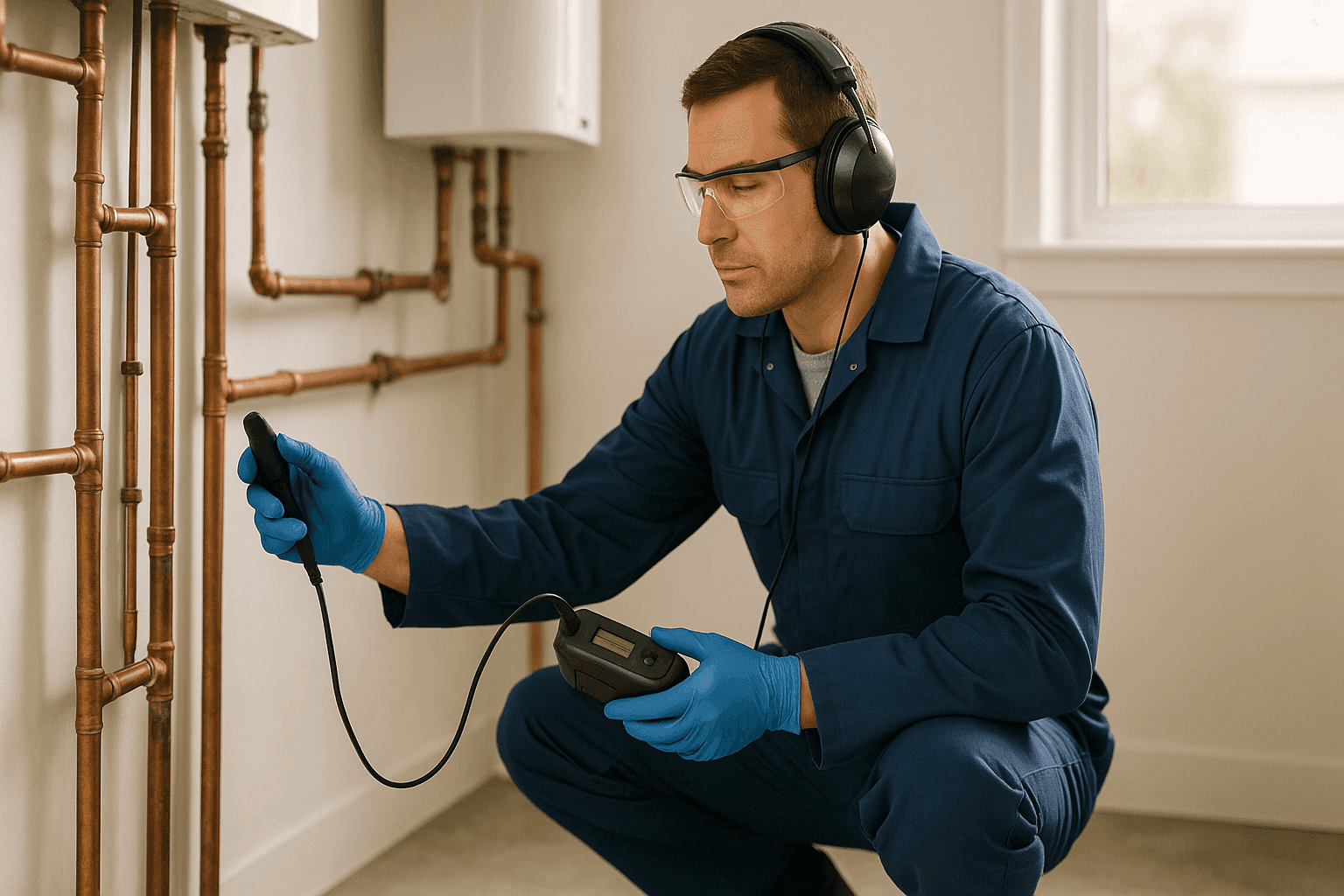
- Acoustic sensors: These special microphones “hear” leaks inside pipes, even through walls or concrete.
- Thermal cameras: Infrared imaging spots temperature differences, showing exactly where hot or cold water is escaping.
- Moisture meters: These tools measure how wet surfaces are, pinpointing dampness that’s invisible to the eye.
- Pressure testing: Technicians can isolate sections of your plumbing, pressurize them, and watch for drops to reveal leaks.
- Video inspection: Flexible cameras snake through pipes, showing cracks, root intrusions, or corroded spots in real time.
Using this advanced gear, we can find leaks with minimal damage to your home—no need to tear up floors or walls on a hunch.
Repair Options: What Happens Next
Once the leak is found, repairs depend on the location, severity, and type of pipe. Common repair strategies include:
- Pipe patching: For small, accessible leaks, a patch or clamp can stop the flow. Sometimes this is a temporary fix until a full replacement is scheduled.
- Section replacement: If a stretch of pipe is badly damaged or corroded, we cut it out and install new piping.
- Repiping: For homes with old, failing pipes throughout, repiping may be the safest long-term solution.
- Epoxy lining: In some cases, a resin coating inside the pipes seals leaks without digging or demolition.
- Sewer line repair: If roots or collapses are involved, trenchless methods (like pipe bursting or lining) can restore underground lines with minimal yard damage.
After repairs, it’s smart to have follow-up leak detection or backflow testing, just to be sure everything is sound.
Quick Safety Checklist 🛑
Before you attempt any DIY repairs or wait for help:
- Know where your main water shut-off is. Make sure everyone in the home can find and turn it off.
- Clear the area. Move electronics, rugs, and valuables away from wet spots.
- Avoid electrical hazards. Don’t step into standing water if outlets or cords are nearby.
- Don’t ignore gas lines. If you smell gas or suspect a leak, leave immediately and call emergency services. Lords Plumbing also does gas safety checks.
- Document the damage. Take photos for insurance if you spot major leaks or water damage.
DIY vs. Call a Pro
When DIY makes sense:
Small leaks at visible joints or under sinks can sometimes be fixed with plumber’s tape or a new washer. Toilets with running tanks may only need a new flapper.
When to call for emergency plumbing:
- Water is gushing or pooling fast
- Leak is hidden inside walls, ceilings, or under slabs
- You smell gas or sewage
- You can’t find the source
- Water pressure drops suddenly in the whole house
Remember, quick fixes can hold you over, but a missed or misdiagnosed leak can cause mold, rot, or even structural damage. Don’t gamble with your home.
What Pros Do On Arrival
When Lords Plumbing arrives for emergency plumbing, here’s what to expect:
- Assessment: We ask questions, inspect visible plumbing, and check water meters.
- Leak detection: Using acoustic, thermal, and moisture tools, we track down the source.
- Containment: We shut off water and protect your property from further damage.
- Repair: We patch, replace, or reroute pipes as needed—always to code.
- Testing: We double-check for further leaks and restore water service.
- Cleanup: We remove debris and explain what happened, plus tips for next time.
Our goal: Fix it right, fix it fast, and leave your home safer than we found it.
Prevention & Maintenance
An ounce of prevention beats a flooded basement. Here’s how to keep leaks from sneaking up on you:
- Schedule annual plumbing inspections. Pros can spot early warning signs you might miss.
- Insulate pipes before winter. This prevents freezing and bursting.
- Check water pressure. Install a pressure regulator if yours runs high.
- Install leak detection sensors. These smart devices send alerts if they sense moisture.
- Replace old hoses and connectors. Especially on washing machines and dishwashers.
- Fix minor drips right away. A slow leak today can be a disaster tomorrow.
- Follow local plumbing codes. Proper installation reduces risk of failure (see the Uniform Plumbing Code for guidelines).
Costs & Time Factors
Pipe leak repairs can range from a quick fix in under an hour to a complex repiping job that takes several days. Factors that affect cost and timing include:
- Accessibility: Pipes behind walls or under slabs take longer to reach.
- Extent of damage: A single cracked joint is faster and cheaper than a corroded system.
- Materials needed: Copper, PEX, and PVC all have different price points.
- After-hours/emergency calls: Night and weekend repairs may cost more.
- Permit requirements: Major repairs sometimes require city permits and inspections.
While we can’t give exact quotes here, our goal at Lords Plumbing is always to explain options clearly before starting work.
When It’s an Emergency
Some leaks can wait. Others can’t. Here’s when to call for emergency plumbing near you, day or night:
- Major flooding or fast-rising water
- Leaking near your electrical panel or breaker box
- Sewer smells or raw sewage backing up
- Suspected gas leak
- Loss of water service throughout your home
Delaying in these situations can lead to health hazards, costly repairs, or even structural collapse. If in doubt, call us. It’s better to be safe.
FAQ: Pipe Leak Detection
How do I know if a leak is hidden?
Look for indirect clues: moldy smells, peeling paint, unexplained water bills, or wet spots in unlikely places. If you suspect a hidden leak, a professional can find it with advanced tools.
What should I do if my pipes freeze?
Turn off the main water supply, open faucets to relieve pressure, and call for help. Never use open flames to thaw pipes—use a hair dryer or heating pad if it’s safe.
Can leaks cause health problems?
Yes—mold and mildew from long-term leaks can aggravate allergies and asthma. Sewage leaks are serious health hazards.
Is leak detection covered by insurance?
Check your policy. Most insurance covers sudden, accidental leaks, but not gradual damage from neglected issues.
Local and Seasonal Considerations 🏠
In our region, we see special risks:
- Winter freeze: Burst pipes spike during cold snaps. Insulate pipes in unheated spaces and keep a trickle running on freezing nights.
- Slab leaks: Homes built on concrete slabs are prone to leaks below the floor. Watch for warm spots or rising water bills.
- Aging infrastructure: Many neighborhoods have older plumbing with hidden corrosion—regular inspections are a must.
- Heavy rains: Sudden downpours can overwhelm sump pumps or cause basement leaks. Test your system before the rainy season.
Stay alert to these local risks, and you’ll be ready to act fast.
Pipe leaks don’t have to take you by surprise. If you spot the signs or just aren’t sure, don’t wait for water damage to set in.
Call Lords Plumbing now — or reach us anytime at 877-779-1505 .