How to Prepare Your Plumbing for Winter Freezes and Emergencies
When the cold rolls in, plumbing problems can sneak up on you like frost on a windowpane. One morning, everything’s fine. The next, your pipes are frozen solid or, worse, spraying water everywhere.
Nobody wants to deal with water damage or emergency plumbing repairs in the dead of winter. The good news? With a little know-how and preparation, you can keep your home or small business safe and dry all season long.
Why Winter Plumbing Prep Matters
Cold weather is tough on pipes. Water expands as it freezes, turning even the smallest drip into a burst pipe. That can mean ruined floors, soaked walls, and headaches that last long after the thaw.
For homeowners and small business owners, winter plumbing emergencies can shut down daily life or operations. Prevention is always easier—and less expensive—than cleanup. Think of it as putting on a coat before heading into a blizzard. You wouldn’t go out unprepared; your plumbing shouldn’t either.
Quick Safety Checklist Before the Freeze 🧤
Before winter bites down, walk through this quick checklist:
- Know where your main water shutoff is (and make sure everyone else does, too).
- Check for exposed pipes in basements, garages, attics, crawl spaces, and under sinks.
- Inspect outdoor faucets and hose bibs—drain and disconnect hoses.
- Test your sump pump to make sure it’s working.
- Look for cracks or gaps in walls near pipes and seal them.
- Check your water heater for leaks or signs of rust.
- Review your emergency plumbing contact info so you’re not searching during a crisis.
Insulating Pipes: Your First Line of Defense
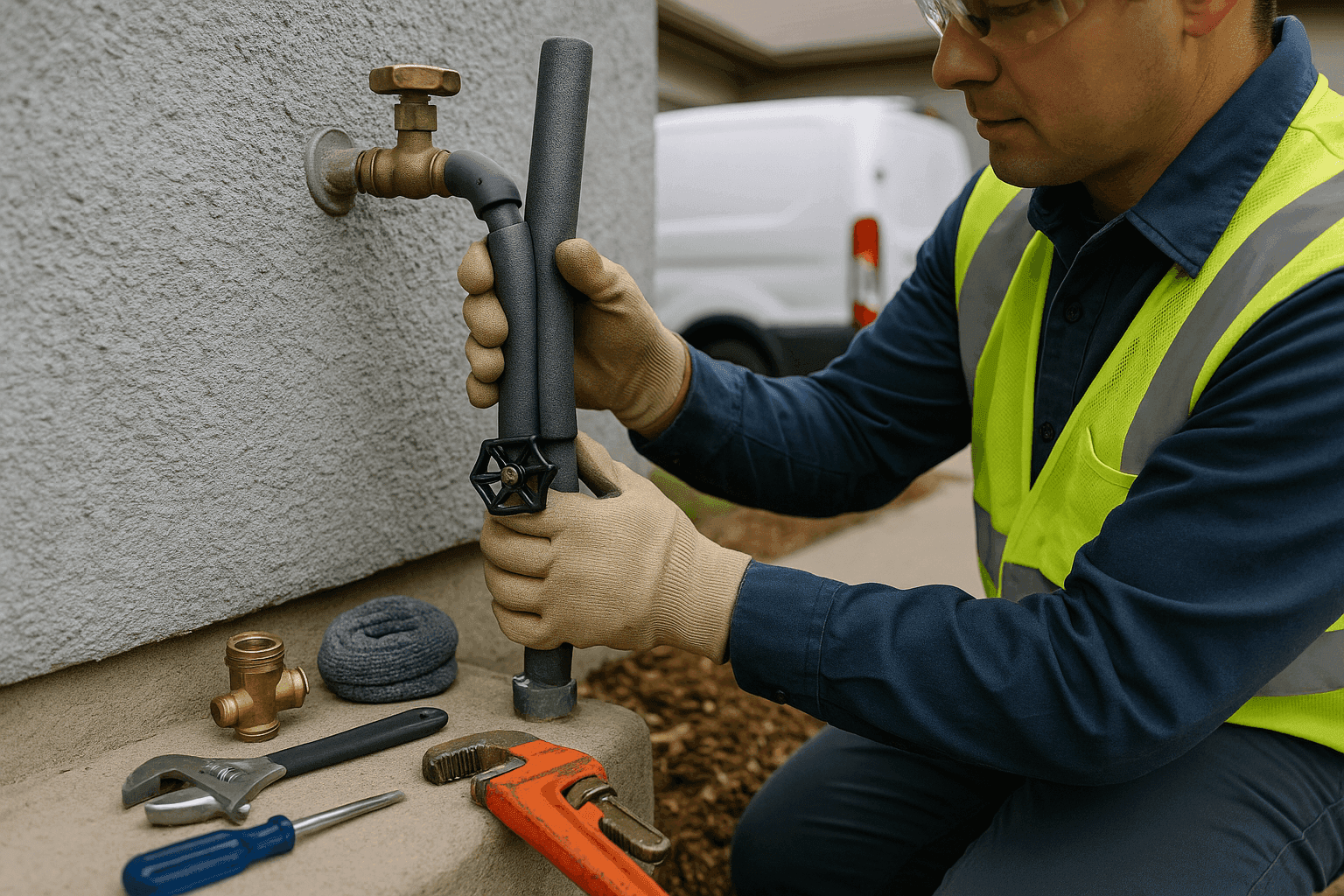
Think of insulation as a warm blanket for your plumbing. Pipes in unheated areas—like crawl spaces, garages, or exterior walls—are the first to freeze.
How to insulate pipes:
- Use foam pipe sleeves or wrap pipes with heat tape (UL-listed for safety).
- Focus on pipes near outside walls, under sinks, and in crawl spaces.
- Don’t forget pipes running through garages or unheated basements.
- For extra protection, leave cabinet doors open under sinks to let warm air circulate.
According to the International Association of Certified Home Inspectors (InterNACHI), pipe insulation can reduce the chance of freezing by up to 80%. That’s a big win for such a simple fix.
Identifying Vulnerable Plumbing Areas
Not all pipes are at equal risk. Some spots are like cold traps, waiting to cause trouble.
Common problem areas:
- Exterior walls: Pipes here are closest to the cold.
- Unfinished basements or attics: Little insulation means more risk.
- Garages: Especially if they’re not heated.
- Outdoor faucets and irrigation lines: These freeze fast.
Walk your property with a flashlight. Look for pipes you can see and feel for cold drafts nearby. If you find any, add insulation or ask a plumbing professional about rerouting options.
Winterizing Outdoor Fixtures
Outdoor plumbing is often the first casualty of a cold snap. Water left in hoses or spigots expands and cracks metal, plastic, or rubber.
How to winterize outdoor fixtures:
- Disconnect and drain all garden hoses.
- Shut off and drain outdoor water supply lines (use the shutoff valve inside your property).
- Install insulated faucet covers on outside spigots.
- Blow out sprinkler systems if you have them (follow manufacturer’s instructions or hire a pro).
The National Plumbing Code recommends draining and protecting all exterior plumbing before the first freeze. Don’t wait until the ground is hard as concrete.
Early Warning Signs of Cold-Weather Plumbing Trouble
Plumbing issues rarely announce themselves with a parade. More often, you’ll spot a few red flags if you know where to look.
Watch for:
- Sluggish drains: Could mean ice forming in pipes.
- Frost on exposed pipes: A clear sign of freezing risk.
- Strange noises: Banging, gurgling, or whistling can signal trapped air or water.
- Sudden drops in water pressure: Might mean a blockage or leak.
- Unusual smells: Sewer odors can point to cracked or frozen waste lines.
If you notice any of these, act fast. The sooner you address them, the less likely you’ll need emergency plumbing help later.
Quick DIY Fixes for Routine Winter Maintenance
There’s plenty you can do yourself to keep plumbing safe in winter. Here are some practical steps:
- Let faucets drip: A slow trickle keeps water moving, making freezing less likely.
- Open cabinet doors: Especially under sinks on exterior walls.
- Seal leaks and drafts: Use caulk or weatherstripping around pipes entering walls.
- Set your thermostat: Keep it at least 55°F, even if you’re away.
- Flush and check toilets: Make sure tanks and bowls aren’t leaking or sweating.
These small steps add up. Think of them as regular exercise for your plumbing system.
When to Call Emergency Plumbing Services
Sometimes, a situation is too big or risky for DIY. Here’s when to pick up the phone:
- A pipe has burst: Water is pouring out, flooding floors or walls.
- No water from taps: Could mean a frozen main or major blockage.
- Sewer backup: Wastewater is coming up through drains or toilets.
- Gas line issues: Smell gas or hear hissing? Leave immediately and call for help.
If you’re ever unsure, it’s better to call for emergency plumbing than to wait and hope. Water damage spreads fast, and gas leaks are extremely dangerous.
What Pros Do When They Arrive
When a professional plumber shows up, they bring more than just tools. They bring experience and a calm approach in a crisis.
Here’s what to expect:
- Assessment: They’ll quickly locate the shutoff valve and stop the flow of water.
- Diagnosis: Using thermal cameras or moisture meters, they’ll find the source of the problem.
- Repairs: From pipe thawing to leak repair, they’ll use industry-approved methods (like those outlined by the American Society of Plumbing Engineers).
- Cleanup advice: They’ll help you understand what needs drying, disinfecting, or replacing to prevent mold or further damage.
- Preventative recommendations: Before leaving, they’ll suggest steps to avoid a repeat emergency.
Prevention & Maintenance: Year-Round Strategies
Winter isn’t the only time to care for your plumbing. Preventative maintenance helps avoid surprises.
Regular tasks:
- Schedule annual inspections: A licensed plumber can spot issues early.
- Test water pressure: High or low pressure can stress pipes.
- Clean drains: Avoid buildup that can freeze and block pipes.
- Check for leaks: Even tiny drips can lead to big problems in cold weather.
- Maintain water heaters: Flush tanks and check for rust or sediment.
Following guidelines from organizations like the International Code Council (ICC) ensures your plumbing meets safety standards.
Costs & Time Factors: What to Expect
Winterizing your plumbing can be quick and affordable, especially compared to emergency repairs.
Typical time and cost ranges:
- DIY insulation: A few hours and minimal materials.
- Professional inspection: Usually completed in a single visit.
- Emergency plumbing repairs: Can take several hours, depending on the damage.
- Restoration after a burst pipe: May require days for drying and repairs.
Remember, the cost of prevention is always less than the cost of fixing water damage or lost business.
When It’s an Emergency (and When It’s Not) 🚨
Not every cold-weather plumbing issue is an emergency. But some are.
It’s an emergency if:
- Water is flooding your property.
- You have no running water and suspect a frozen or burst pipe.
- You smell gas or see evidence of a gas line leak.
- Sewage is backing up into your sinks or toilets.
If you can safely shut off the water and there’s no immediate danger, you might have time to schedule a regular repair. But if you’re unsure, it’s always safer to call for emergency plumbing help.
FAQ: Common Winter Plumbing Questions
How can I tell if my pipes are frozen?
If you turn on a faucet and only a trickle comes out, or none at all, pipes may be frozen. Check exposed pipes for frost or bulging.
What should I do if a pipe bursts?
Shut off your main water supply immediately. Open faucets to relieve pressure, then call for emergency plumbing assistance.
Can I use a hair dryer to thaw frozen pipes?
Yes, but do so carefully. Start near the faucet and move toward the frozen section. Never use an open flame.
Is it safe to leave faucets dripping all night?
A slow drip is safe and can help prevent freezing. Just make sure drains are clear and not clogged.
Special Considerations for Homes and Small Businesses
Every property is unique. Older homes might have less insulation. Small businesses may have pipes in harder-to-reach places or more complex plumbing systems.
Things to keep in mind:
- Commercial properties: Check restrooms, kitchens, and utility rooms. Multiple floors mean more places for trouble to hide.
- Rental properties: Make sure tenants know basic winter plumbing steps.
- Vacation homes: Winterize before leaving for extended periods.
If you’re not sure what your property needs, a professional inspection is a smart move. It’s like having a mechanic check your car before a long trip.
Winter doesn’t have to mean plumbing disasters. A little preparation goes a long way toward keeping your property safe, dry, and comfortable—even on the coldest days.
Call Lords Plumbing now — or reach us anytime at 877-779-1505 .