How to Prevent Frozen Pipes and Winter Plumbing Disasters
Winter can be rough on your home’s plumbing. One cold snap is all it takes for pipes to freeze and burst, flooding your basement or kitchen. The aftermath isn’t just a mess—it’s expensive, stressful, and sometimes dangerous.
At Lords Plumbing, we handle winter emergencies every year. We’ve seen what happens when pipes freeze and what it takes to fix the damage. But the best fix? Stopping the disaster before it starts. Let’s walk through simple, effective ways to keep your pipes—and your peace of mind—intact this winter.
Why Pipes Freeze ❄️
Water is tricky. It likes to expand when it turns to ice, and pipes just aren’t built for that. When temperatures drop, the water inside your pipes can freeze. The pressure builds until—snap!—the pipe cracks or bursts. Suddenly, you’ve got water pouring where it shouldn’t.
This happens most often when:
- Temperatures fall below 32°F (0°C)
- Pipes run through unheated spaces (think: basements, attics, garages)
- There’s poor insulation around plumbing lines
Even in milder climates, a cold front can catch homes off guard. Just a few hours of freezing air can do the damage.
High-Risk Areas in Your Home
Not all pipes are equally at risk. Some are like kids at recess—always getting into trouble. Look out for:
- Pipes along exterior walls
- Water lines in basements, crawl spaces, or attics
- Garage plumbing
- Outdoor spigots and hose bibs
- Kitchen and bathroom pipes under sinks on outside walls
If you’re not sure where your pipes run, now’s the time to check. Grab a flashlight and do a quick tour.
DIY Insulation Tips for Homeowners 🧤
You don’t need fancy tools or a degree in plumbing to give your pipes a fighting chance. Here’s what works:
Pipe Wrapping
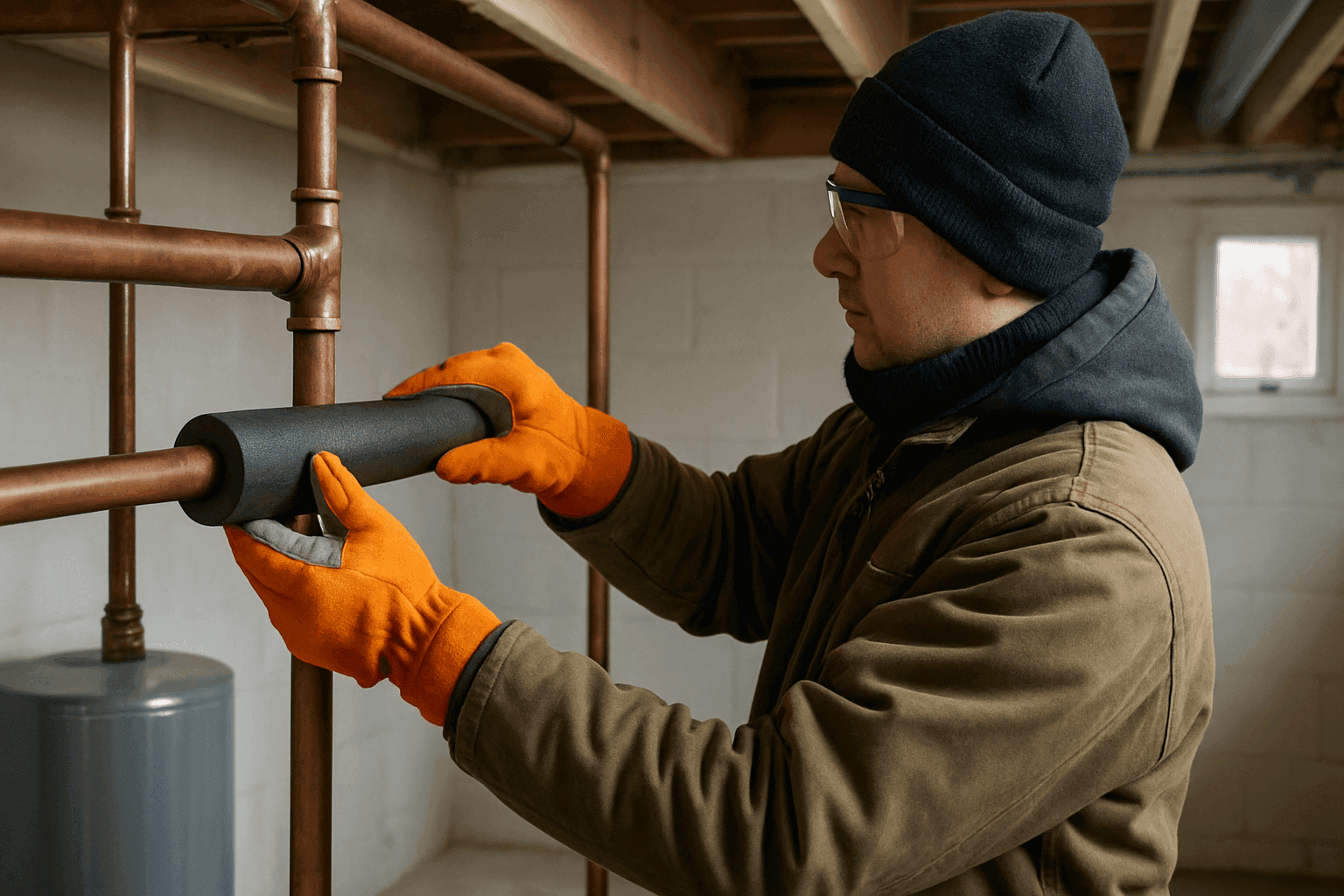
Think of it as a cozy jacket for your pipes. Use foam pipe insulation (available at most hardware stores) to wrap exposed pipes. For extra cold spots, double up with layers or use fiberglass sleeves.
Heat Tape or Cables
This is the electric blanket of the plumbing world. Heat tape plugs in and gently warms pipes when the temperature drops. Always follow manufacturer instructions and local building codes. Safety first!
The Open Cabinet Strategy
Open up cabinets under sinks—especially on exterior walls. This lets warm air circulate around the pipes. It’s a small move with big benefits.
Let Faucets Drip
A slow trickle keeps water moving, making it harder for ice to form. Just a pencil-thin stream overnight can prevent freeze-ups. Focus on faucets connected to at-risk pipes.
Seal Up Drafts
Cold air sneaking in? Use caulk or spray foam to seal gaps around windows, doors, and where pipes enter the house. Every little bit helps.
What to Do if Pipes Freeze
Caught in a freeze? Don’t panic. Here’s a step-by-step rescue plan:
- Turn on the Faucet
If just a trickle comes out, you’re likely dealing with a frozen pipe. - Apply Heat
Start at the section closest to the faucet. Use a hair dryer, heating pad, or warm towels. Never use an open flame—no torches or lighters. That’s a fire hazard. - Keep the Faucet Open
As the ice melts, water and steam need somewhere to go. - Check for Leaks
Once thawed, watch closely. If you see or hear water dripping inside the walls, shut off your main water valve and call for emergency plumbing.
If you can’t locate the frozen spot, or if a pipe bursts, don’t wait. This is a job for professionals.
When to Call for Professional Help
Sometimes, DIY just isn’t enough. Call Lords Plumbing when:
- You suspect a pipe has burst (look for water stains, drops in water pressure, or puddles)
- You can’t reach or thaw the frozen section
- There’s water leaking inside walls or ceilings
- You smell gas or suspect a gas line issue (leave the building immediately, then call)
Remember, emergency plumbing near you is available 24/7. Fast action limits damage and keeps your family safe.
How the Pros Handle Winter Plumbing Disasters
When you call Lords Plumbing for a frozen pipe emergency, here’s what happens:
- We assess the situation and locate the freeze or leak
- Use specialized thawing tools (no risky blowtorches here)
- Inspect for cracks or ruptures
- Repair or replace damaged sections
- Check other vulnerable pipes to prevent a repeat performance
- Offer tips for insulation or preventative upgrades
Our team knows the local building codes and safety standards. We work cleanly, efficiently, and with respect for your property.
Preventative Maintenance: Building a Winter-Ready Home 🏡
Why wait for disaster? Use these habits to stay one step ahead:
- Insulate all exposed water pipes before the first freeze
- Disconnect garden hoses; shut off and drain outdoor faucets
- Set your thermostat no lower than 55°F (13°C), even when you’re away
- Schedule regular plumbing inspections
- Know where your main water shutoff valve is (and make sure it works)
The U.S. Department of Energy and International Residential Code recommend these strategies for all climates where freezing is possible. A little prep goes a long way.
Costs & Time Factors
Preventing frozen pipes is affordable—insulation and heat tape are much cheaper than fixing water damage. Emergency plumbing repairs, on the other hand, can take several hours and cost hundreds or even thousands, depending on the extent of the damage. The time to repair a burst pipe can range from an hour to several days if drywall, flooring, or cabinets are affected.
When It’s an Emergency 🚨
Not sure if it’s urgent? Here are true emergencies:
- Water gushing uncontrollably
- No water at all in winter (suggests a major freeze in the main line)
- Visible flooding or ceiling leaks
- Suspected gas line freeze or leak
In these situations, don’t delay. Shut off water at the main valve and call Lords Plumbing. Quick action saves your home from bigger headaches.
FAQ: Common Winter Plumbing Questions
How cold does it need to be for pipes to freeze?
Pipes can start freezing when temperatures drop below 32°F (0°C), but uninsulated pipes can freeze even in the mid-30s if exposed to cold air for several hours.
What’s the best way to thaw a pipe safely?
A hair dryer or portable space heater works best—never use open flames. Start near the faucet and work your way back.
Should I let all my faucets drip?
Focus on the ones most at risk—those on exterior walls or in unheated spaces.
Can I use heat tape on any pipe?
Only use heat tape labeled for plumbing, and always follow the manufacturer’s instructions. Some types are designed for plastic, others for metal.
Local and Seasonal Considerations
Even in milder regions, cold snaps can catch you off guard. In places where winter is just a rumor, pipes may be less insulated and more at risk during rare freezes. In colder climates, older homes may have hidden vulnerabilities. Stay alert when the forecast calls for a drop, no matter your zip code.
If you’re snowbirding or leaving town for the holidays, take extra precautions. Shut off water to unused areas, drain the system if you’ll be gone for weeks, and ask a neighbor or friend to check in.
Frozen pipes don’t have to be a winter rite of passage. Take simple steps now and call for help at the first sign of trouble. At Lords Plumbing, we’re ready for emergencies—day or night, snow or shine.
Call Lords Plumbing now — or reach us anytime at 877-779-1505 .