How to Prevent Plumbing Emergencies Before They Happen
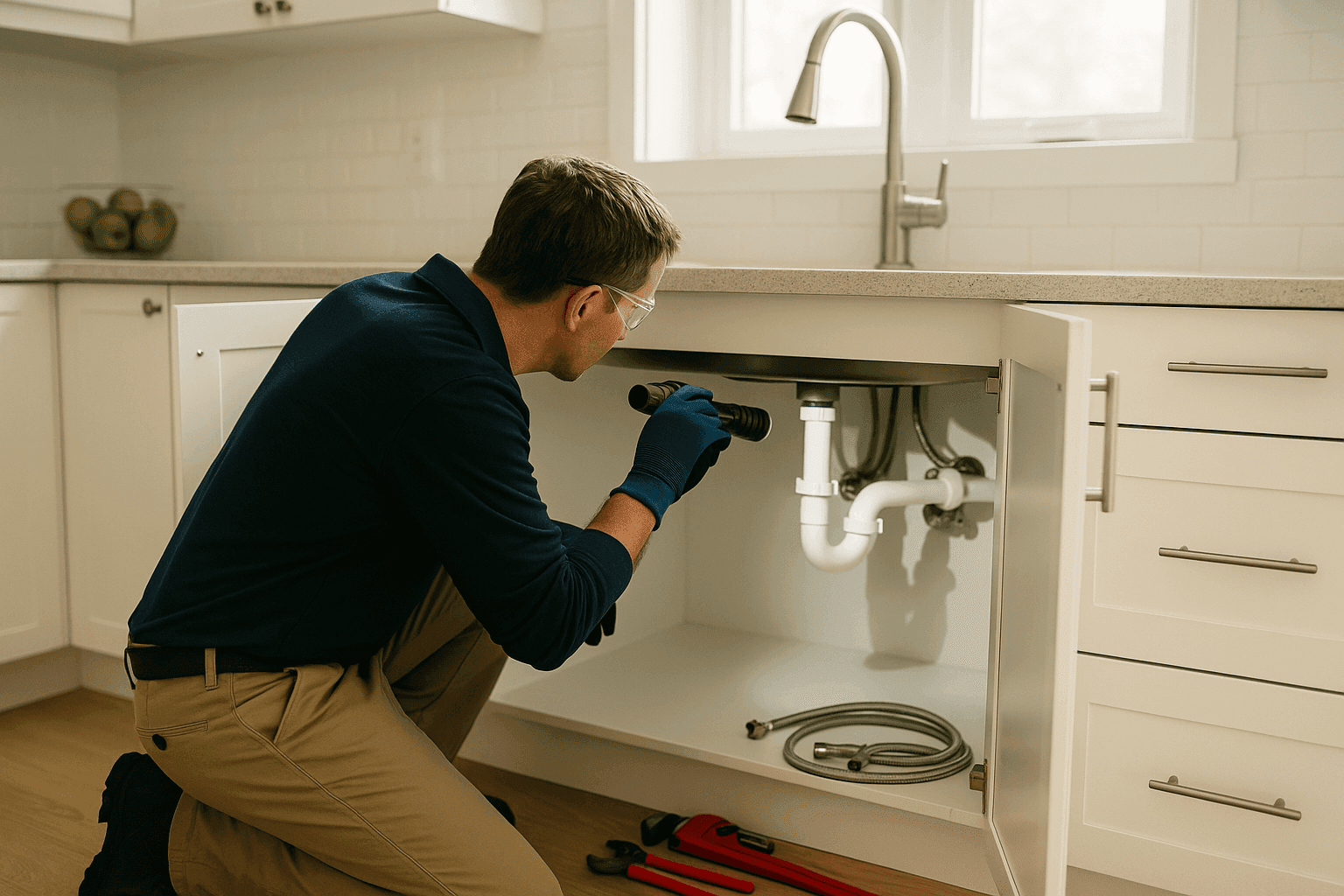
Plumbing emergencies never wait for a good time. One moment, life is running smoothly. The next, water is pouring where it shouldn’t, and panic sets in. We’ve all heard the horror stories—burst pipes flooding kitchens, toilets overflowing at midnight, or a sudden loss of hot water on the coldest night.
At Lords Plumbing, we know how stressful these moments feel. But the truth is, most plumbing disasters don’t strike out of nowhere. With a few smart habits and a watchful eye, you can stop many emergencies before they ever start.
Common Plumbing Emergencies and Warning Signs 🚨
Plumbing problems rarely arrive unannounced. They leave little hints—if you know where to look. Here are the most common emergencies and the warning signs that often come first:
Leaks
- Dripping faucets: That steady drip isn’t just annoying; it signals worn washers or loose fittings.
- Water stains: Brown spots on ceilings or walls often point to hidden leaks.
- Musty smells: Persistent damp odors can mean water is collecting where it shouldn’t.
Clogs
- Slow drains: Sinks or tubs taking longer to empty signal buildup in the pipes.
- Gurgling sounds: Bubbling or gurgling from drains means air is trapped—clogs are forming.
- Backed-up toilets: If plunging is becoming routine, the problem may be deeper in the line.
Water Pressure Issues
- Sudden drops: Weak showers or trickling faucets can mean a leak, blockage, or failing pressure regulator.
- Inconsistent flow: Water that surges and fades may indicate a bigger issue in the main line.
Other Red Flags
- Rusty water: Discolored water often points to corroded pipes or a failing water heater.
- Unusual noises: Banging, whistling, or rattling pipes—sometimes called “water hammer”—usually mean loose fittings or pressure issues.
Catching these clues early is like noticing a rattle in your car before the engine fails. A little attention now can save you a world of trouble later.
Seasonal Plumbing Maintenance Tips
Just like you swap out your wardrobe with the seasons, your plumbing needs different care as temperatures change.
Winter: Freeze Prevention
- Insulate exposed pipes: Pipes in attics, crawl spaces, or exterior walls are most at risk. Use foam sleeves or insulation wrap.
- Let faucets drip: On freezing nights, a slow trickle keeps water moving and helps prevent pipes from bursting.
- Disconnect hoses: Remove garden hoses and shut off outdoor faucets to avoid frozen lines.
Spring: Thaw and Inspect
- Check for leaks: As everything thaws, look for water stains or puddles—signs of freeze damage.
- Test sump pumps: Pour water into the pit to make sure the pump activates.
Summer: Heavy Use Checks
- Inspect outdoor plumbing: Sprinklers, pool lines, and hoses work overtime in warm months. Look for leaks or low pressure.
- Clear gutters and drains: Summer storms can clog outdoor drains, leading to backups.
Fall: Prep for Cold
- Flush water heater: Sediment builds up over time, reducing efficiency. Flushing helps prevent unexpected failures.
- Seal cracks: Check around pipes entering your home—seal any gaps to keep cold air out.
A little seasonal attention keeps your plumbing resilient, no matter what the weather brings.
DIY Preventative Actions
You don’t need a toolbox full of gadgets to keep your plumbing healthy. Just a few simple habits go a long way.
Regular Drain Cleaning
- Use strainers: Catch hair, food, and debris before they enter your pipes.
- Flush with hot water: Once a week, pour hot (not boiling) water down drains to clear minor buildup.
- Avoid harsh chemicals: Chemical drain cleaners can eat away at pipes. Opt for enzyme-based cleaners if needed.
Fixture Inspections
- Check for leaks: Look under sinks and behind toilets regularly. Even a small drip can waste gallons of water.
- Test shut-off valves: Make sure you can turn off water quickly in an emergency.
Water Heater Care
- Set temperature to 120°F: Hot enough for comfort, but not so hot it risks scalding or strains the heater.
- Listen for noises: Popping or rumbling from the tank means sediment is building up.
Garbage Disposal Habits
- Run cold water: Always run cold water before and after using the disposal.
- Avoid fibrous foods: Don’t put celery, corn husks, or potato peels down the drain.
Know Your Main Shut-Off
Find your main water shut-off valve and make sure everyone in your household knows where it is. In an emergency, seconds count.
When to Call a Professional for Preventative Service
Some plumbing jobs need a trained eye and specialized tools. Here’s when it’s time to bring in the pros:
Backflow Testing
Backflow—the unwanted reversal of water flow—can let contaminants into your clean water. Regular backflow testing is required by plumbing codes and protects your health.
Gas Safety Checks
Gas line leaks are dangerous and require immediate attention. Annual inspections help keep your home or business safe.
Sewer Line Inspection
Tree roots, shifting soil, or old pipes can block or break your sewer line. Professional video inspections spot trouble before it becomes a disaster.
Repiping and Pipe Installation
If your plumbing is aging or made from outdated materials (like galvanized steel), a professional can recommend and install safer, longer-lasting pipes.
Water Filtration Systems
Installing or maintaining filtration systems ensures safe, clean water for everyone in your building.
Preventative Maintenance Plans
Many plumbers offer scheduled inspections and maintenance. Regular checks catch small issues before they become emergencies.
Professional plumbers follow local codes and safety standards, like those set by the International Plumbing Code (IPC) and National Standard Plumbing Code (NSPC). They bring experience, tools, and training that DIY just can’t match.
Practical Plumbing Safety Checklist
- Know where your main water shut-off valve is.
- Check under sinks and behind toilets for leaks monthly.
- Use drain strainers in every sink and tub.
- Insulate exposed pipes before winter.
- Flush your water heater once a year.
- Test your sump pump each spring.
- Schedule annual backflow and gas safety checks.
- Never ignore strange sounds, smells, or stains.
A little routine goes a long way toward peace of mind.
How Proactive Care Saves Money and Stress
Preventative plumbing isn’t just about avoiding disaster—it’s about saving money, time, and hassle.
- Lower repair costs: Fixing a small leak is much cheaper than repairing water damage.
- Reduced water bills: Even tiny drips add up to gallons wasted every day.
- Longer system life: Well-maintained pipes, heaters, and fixtures last years longer.
- Safer, healthier home: Clean water and safe gas lines protect your family and staff.
Think of maintenance like changing the oil in your car. It’s a small investment that keeps everything running smoothly.
When Is It an Emergency?
Sometimes, you need help right away. Call emergency plumbing services if you notice:
- Water pouring from ceilings, walls, or floors
- Sewage backing up into sinks, tubs, or toilets
- No water or no hot water at all
- Gas smells or hissing near gas lines
- Burst pipes or flooding
In these cases, turn off your main water (or gas) supply and call for help immediately. Safety comes first.
Frequently Asked Questions
How often should I check my plumbing for leaks?
A quick monthly check under sinks, behind toilets, and around appliances is usually enough. For older homes or buildings, consider a professional inspection each year.
What’s the best way to prevent frozen pipes?
Insulate exposed pipes before winter and let faucets drip during extreme cold. Open cabinet doors under sinks to let warm air circulate.
Are chemical drain cleaners safe?
Most chemical cleaners can damage pipes over time. Use a plunger, plumber’s snake, or enzyme-based cleaner instead.
Do I really need backflow testing?
Yes. Backflow testing is required by plumbing codes and helps prevent contamination of your water supply.
Special Considerations for Homeowners and Small Businesses
Every building is unique. Homes often have older plumbing, while small businesses may have higher water demands or complex fixtures. If you own a business, regular backflow prevention and water pressure checks are especially important to stay compliant with health and safety regulations.
For both homes and businesses, preventative maintenance protects your investment and keeps daily life running smoothly.
Don’t wait for a plumbing emergency to strike. Stay ahead of trouble with smart habits and routine care. If you spot warning signs or want peace of mind, Call Lords Plumbing now — or reach us anytime at 877-779-1505 .