How to Detect and Prevent Water Damage From Plumbing Leaks
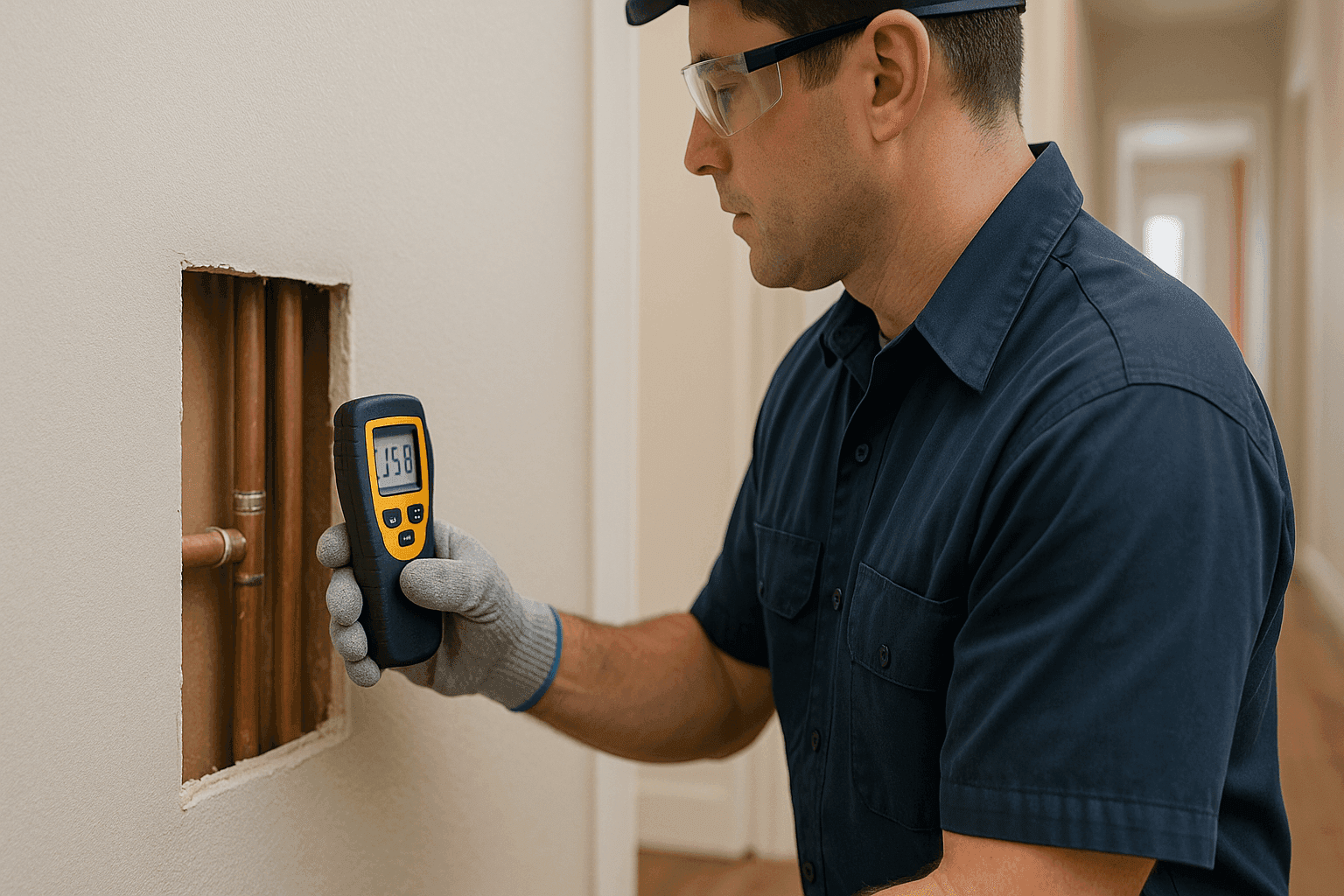
Every homeowner dreads that unmistakable sound: the drip, drip, drip hiding behind a wall or under a sink. Water damage from plumbing leaks doesn’t just ruin wood and drywall—it can quietly threaten your family’s health and safety. At Lords Plumbing, we’ve seen the aftermath up close, and we know how quickly a small leak can spiral into a major emergency.
Ignoring slow leaks can turn a peaceful home into a costly repair project overnight. But you’re not powerless. By learning to spot trouble early and taking a few smart steps, you can avoid the stress and expense of water damage. Here’s what you need to know to keep your home—and peace of mind—intact.
How Leaks Cause Damage
Water is a patient invader. Given time, even a pinhole leak can carve a path of destruction:
- Mold & Mildew: These aren’t just unsightly. Mold spores thrive in damp spots behind walls and under floors, triggering allergies and respiratory issues.
- Wall & Ceiling Damage: Water stains, bubbling paint, and warped drywall are just the beginning. Long-term leaks can compromise structural framing, leading to sagging ceilings and even collapse.
- Flooring Trouble: Wood swells and buckles. Tiles loosen. Carpets soak up moisture, becoming breeding grounds for bacteria.
- Hidden Hazards: Electrical wiring exposed to leaks can short-circuit, increasing fire risk.
Think of a leak as a silent termite. You might not see the damage at first, but it’s always working—quietly undermining your home’s foundation and safety.
Early Signs to Watch 👀
Spotting a leak before it gets out of hand is half the battle. Here are the early warning signs that signal trouble:
- Unexplained Spikes in Water Bill: If your usage habits haven’t changed but your bill has, water may be escaping somewhere out of sight.
- Musty Odors: That damp, earthy smell means mold or mildew may be growing behind walls or under flooring.
- Stains & Discoloration: Brown, yellow, or copper-colored patches on ceilings or walls point to moisture infiltration.
- Peeling Paint or Wallpaper: Paint bubbles or peels when moisture pushes from behind.
- Dripping or Hissing Sounds: Listen carefully—sometimes you’ll hear leaks even when you can’t see them.
- Cold or Damp Spots: Walls, floors, or ceilings that feel unusually cool or damp can be hiding water.
Keep your senses alert, especially during seasonal changes—spring thaw and summer storms can stress old pipes or cause shifting that leads to leaks.
DIY Leak Checks
You don’t need a toolbox full of gadgets to catch leaks early. Here’s how you can check for trouble yourself:
- Read Your Water Meter: Turn off all water fixtures and appliances. If the meter keeps moving, there’s likely a hidden leak.
- Inspect Visible Pipes: Look under sinks, behind toilets, and in your basement for drips, rust, or corrosion.
- Check Appliance Connections: Water heaters, washing machines, dishwashers, and fridges with ice makers are common culprits.
- Run the Toilet Dye Test: Drop a few drops of food coloring into your toilet tank. Wait 20 minutes—if color appears in the bowl, you have a leak.
- Monitor for Mold: Check for black or green spots in corners, under sinks, or along baseboards.
While these steps are a great start, some leaks hide deep in walls or underground. That’s where advanced leak detection tools come in handy.
Preventative Upgrades
Prevention beats repair every time. If your home’s plumbing is showing its age, consider these upgrades:
- Smart Leak Detectors: Devices like water sensors can alert your phone the moment they sense moisture in areas prone to leaks.
- Pressure-Reducing Valves: High water pressure can strain joints and hoses. Installing a pressure-reducing valve protects pipes and appliances.
- Quality Pipe Materials: If you have old galvanized or polybutylene pipes, repiping with copper or PEX can save headaches down the road.
- Water Shut-Off Valves: Modern shut-off systems can automatically cut water supply when a leak is detected, stopping damage in its tracks.
The National Association of Home Builders recommends regular replacement of flexible hoses and routine inspection of shut-off valves for insurance compliance and peace of mind.
Insurance Tips 💡
Water damage claims are among the most common—and complicated—in home insurance. Here’s how to stay protected:
- Document Everything: Take photos of leaks, stains, and any damage as soon as you spot them.
- Understand Your Policy: Most policies cover sudden pipe bursts, but not slow leaks due to neglect. Check the fine print.
- Regular Maintenance Records: Keep receipts and logs of plumbing inspections, repairs, and maintenance.
- Install Leak Detection Devices: Insurers sometimes offer premium discounts if you have verified leak detection technology installed.
- Report Issues Promptly: Waiting to call can sometimes hurt your claim. Act as soon as you spot trouble.
Consult the Insurance Information Institute for guidance on what’s typically covered and steps to take after discovering damage.
Real-World Steps: When to Call Emergency Plumbing Near You
Not every leak is a crisis, but some need immediate action:
- Burst Pipes: Water gushing from a broken pipe can fill a room in minutes. Shut off your main valve and call for emergency plumbing help.
- Sewer Line Backups: Foul odors, slow drains, and soggy spots in your yard can signal a serious sewer issue.
- No Hot Water or Major Appliance Failures: Water heater leaks or malfunctions can quickly escalate.
- Gas-Related Plumbing Issues: If you smell gas or suspect a leak, evacuate and contact authorities immediately.
If you’re unsure, it’s always safer to call Lords Plumbing. Our team uses advanced leak detection technology to quickly pinpoint and repair even the toughest leaks.
Local and Seasonal Risks
Every region faces unique plumbing challenges, but some risks are universal:
- Spring Thaw: Melting snow and ground shift can put stress on underground pipes.
- Summer Storms: Sudden heavy rains can overwhelm sump pumps and cause basement flooding.
- Winter Freezes: Frozen pipes burst when temperatures drop, leading to catastrophic leaks.
Schedule preventative checks before seasonal shifts. Even if you’ve never had a problem, a little attention now can save a lot of pain later.
Frequently Asked Questions
How fast can water damage occur after a leak starts?
It can take as little as a few hours for water damage to begin. Drywall, flooring, and insulation quickly absorb moisture, leading to mold and structural issues.
Are smart leak detectors really worth installing?
Absolutely. Smart leak detectors catch leaks you might miss and can alert you instantly—even if you’re away. This early warning can save thousands in repairs.
What should I do first if I find a leak?
Shut off your main water valve, move valuables out of the affected area, and call emergency plumbing near you for professional help.
Does insurance cover water damage from old pipes?
Most insurance policies do not cover gradual damage from old or corroded pipes. That’s why regular maintenance and inspections are so important.
Minimize Your Risk and Respond Quickly
Water damage from plumbing leaks isn’t just a nuisance—it’s a threat to your home’s comfort, safety, and value. From smart leak detection to seasonal checks, a little prevention goes a long way. If you ever spot warning signs or face a sudden plumbing emergency, don’t wait.
Call Lords Plumbing now — or reach us anytime at 877-779-1505 .