Preventative Plumbing Maintenance Checklist for Every Season
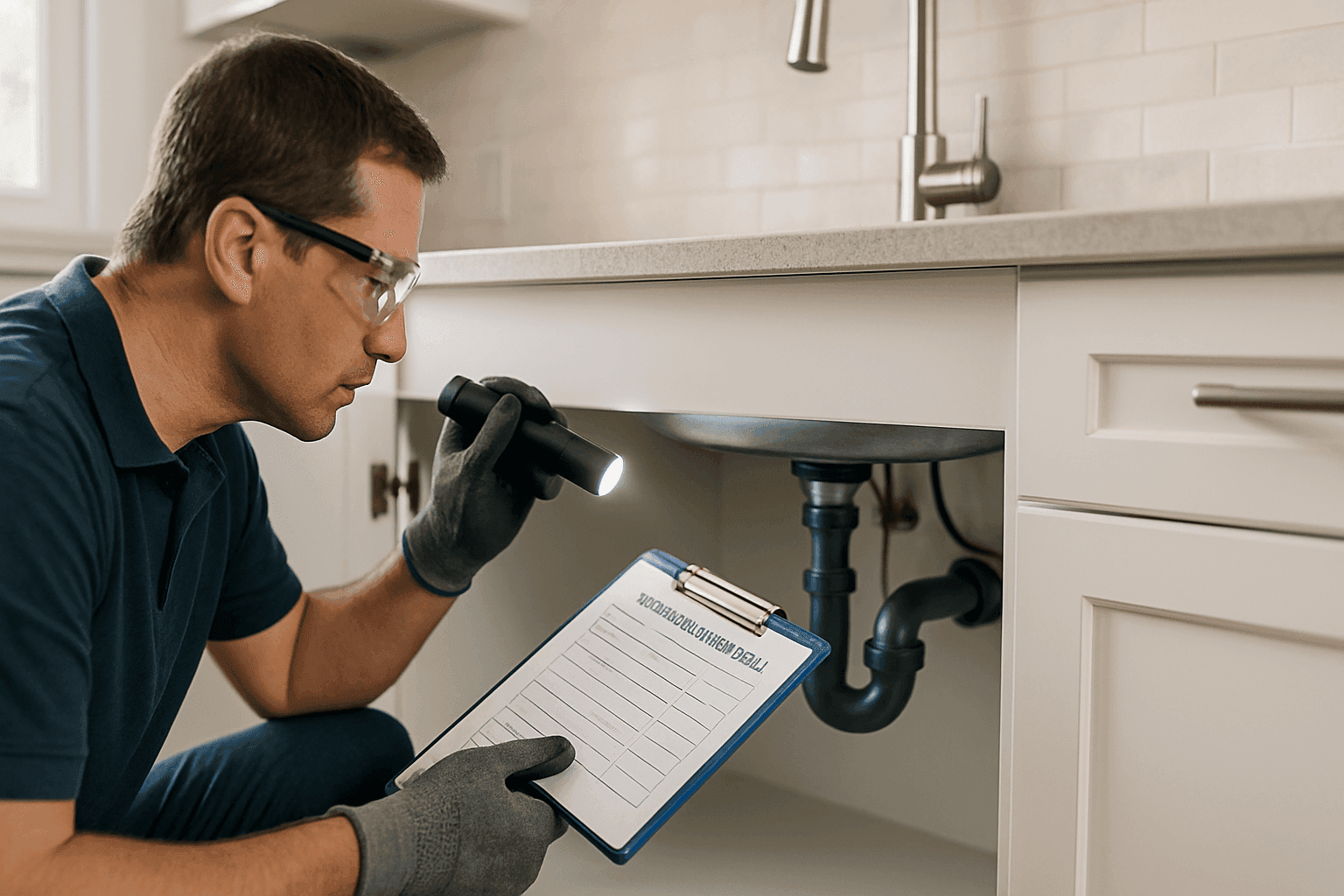
There’s a funny thing about plumbing: you rarely think about it—until something goes wrong. A sudden leak. A flooded basement. A toilet that refuses to flush at 2 a.m. That’s when you realize how much depends on those hidden pipes and fixtures beneath your feet and behind your walls.
At Lords Plumbing, we know the peace of mind that comes from preventative care. Regular maintenance can mean the difference between a calm evening at home and an emergency plumbing call in the dead of night. Let’s walk through a practical, no-nonsense checklist to keep your plumbing in top shape, season after season.
Why Regular Maintenance Matters 🛠️
Think of your plumbing like the circulatory system of your house. Small blockages or leaks are like cholesterol—ignored, they build up, eventually causing real damage. Regular check-ups clear out the gunk, catch silent leaks, and protect your investment.
Ignoring routine plumbing upkeep can lead to:
- Burst pipes during a cold snap
- Water heater breakdowns just when you need a hot shower
- Expensive water damage and mold
- Sudden loss of water pressure or sewage backups
And here’s the kicker: many insurance policies don’t cover damage from neglected maintenance. The National Association of Home Builders (NAHB) and International Association of Certified Home Inspectors (InterNACHI) both stress the value of annual checks to prevent emergencies and extend the life of your system.
Seasonal Plumbing Checklist
Ready to roll up your sleeves? Here’s what to do each season. If any step feels out of your comfort zone, don’t hesitate to call for emergency plumbing near you. Sometimes, prevention is best left to the pros.
Spring: Thaw, Inspect, Prepare 🌱
- Check for winter pipe damage: Look for leaks or bulges, especially near exterior walls and crawl spaces.
- Test all hose bibs (outdoor spigots): Open them slowly. If water leaks inside the house, a pipe may have frozen and split.
- Clean gutters and downspouts: Ensure water flows away from your foundation.
- Flush your water heater: Sediment collects over winter, reducing efficiency and shortening the heater’s life.
- Inspect sewer lines: Tree roots love spring. Watch for slow drains or gurgling toilets—signs roots might be intruding.
- Check sump pump operation: Pour a bucket of water into the pit. Make sure it turns on and pumps water out.
- Look for signs of leaks: Under sinks, behind toilets, near appliances. Even tiny drips add up.
Summer: High Usage, Storm Prep ☀️
- Check for toilet leaks: Put a few drops of food coloring in the tank. If color appears in the bowl, the flapper needs replacement.
- Inspect sprinkler systems: Broken heads and underground leaks can waste thousands of gallons.
- Secure outdoor pipes and fixtures: Kids, pets, and lawn equipment can bump or damage exposed pipes.
- Storm prep: Heavy summer rains can overwhelm sump pumps and drains. Clear storm drains and check backflow prevention devices.
- Clean aerators on faucets: Mineral buildup can clog them, lowering water pressure.
Fall: Insulate, Protect, Prep for Cold 🍂
- Insulate pipes in unheated spaces: Foam sleeves help prevent freezing in basements, garages, and crawlspaces.
- Disconnect hoses from outdoor spigots: Water left inside can freeze and split pipes.
- Test your water heater’s pressure relief valve: Carefully lift and release the lever. Water should flow freely.
- Schedule a professional sewer line inspection: Fall’s a good time before the ground freezes and access gets harder.
- Clean and test sump pumps: Again! Storms can hit in fall, too.
- Check for leaks in crawl spaces and basements: Look for damp spots or mold.
Winter: Freeze Protection and Quick Checks ❄️
- Keep a trickle of water running in extreme cold: This can prevent pipes from freezing.
- Open cabinet doors under sinks: Allows warmer air to circulate around pipes.
- Check boiler and water heater settings: Set to manufacturer-recommended levels for efficiency and safety.
- Inspect for drafts: Seal gaps near pipes where cold air might enter.
- Test for leaks: Listen for unexplained dripping or hissing—sometimes a sign of a pipe ready to burst.
DIY vs. Professional Checks
There’s plenty you can do with a flashlight and a keen eye—tightening a loose fitting, cleaning a faucet aerator, or swapping a washer. But just like you wouldn’t perform surgery on yourself, some tasks are best left to the hands of licensed plumbers.
DIY-friendly:
- Checking hose bibs and visible pipes
- Flushing water heaters (with care)
- Insulating exposed pipes
- Cleaning faucet aerators and showerheads
Call a pro for:
- Sewer line inspections (requires cameras and know-how)
- Gas safety checks and gas line work (serious safety risks)
- Repiping, leak detection inside walls or ceilings
- Boiler and water heater repairs
- Backflow testing and prevention
Remember: DIY mistakes can void warranties or even violate building codes. The International Plumbing Code (IPC) sets clear standards for safety—professional plumbers know these inside and out.
Creating a Maintenance Calendar 📅
Staying on top of plumbing tasks isn’t about memory—it’s about routine. A maintenance calendar helps you spread the work throughout the year, so nothing slips through the cracks.
How to build your calendar:
- List the tasks for each season (use the checklists above)
- Set reminders on your phone or mark your wall calendar
- Schedule annual inspections with a licensed pro—aim for spring or fall
- After big storms or deep freezes, do a quick walk-through for leaks or flooding
If you’d rather skip the hassle, many plumbing companies (including Lords Plumbing) offer annual maintenance plans. These keep you on schedule and ensure code-compliant care.
Local and Seasonal Considerations
Every region faces unique plumbing challenges. Here are a few to watch for:
- Freeze/thaw cycles: In climates with harsh winters, pipes are at major risk. Even a short cold snap can freeze water in unprotected pipes, causing bursts when it thaws.
- Heavy summer rains: Flood-prone areas need working sump pumps and functioning backflow devices. Storm prep is essential.
- Hard water: Regions with mineral-heavy water should have annual water heater flushes and consider water filtration systems.
- Old homes: Aging pipes (especially galvanized or lead) are more prone to corrosion and leaks—annual inspections are crucial.
Check with your local building department or water utility for any region-specific recommendations or code updates.
When Should You Call for Emergency Plumbing Near You?
Some problems can’t wait. If you spot any of these, don’t hesitate—call Lords Plumbing immediately:
- Burst pipes or major leaks
- Sewage backing up into your home
- No water or hot water
- Gas smells or suspected leaks (leave your home and call emergency services, then a licensed plumber)
- Flooding around water heaters, sump pumps, or basements
It’s always better to call early than to wait until damage spreads. Even a slow drip can become a flood overnight.
FAQs
How often should I flush my water heater?
At least once a year—twice if you have hard water. This removes sediment and keeps your heater running efficiently.
Are chemical drain cleaners safe for pipes?
Generally, no. They can corrode pipes and harm septic systems. Try a plunger or a drain snake, or call for professional drain cleaning.
What’s the best way to check for hidden leaks?
Watch your water meter. If it moves when no water is being used, you likely have a leak. Licensed plumbers use tools like acoustic sensors and thermal cameras for precision leak detection.
How do I protect pipes from freezing?
Insulate exposed pipes, keep a trickle of water running in extreme cold, and open cabinet doors under sinks. If you’re unsure, a plumber can pinpoint your most at-risk areas.
Regular maintenance keeps your plumbing healthy—and your home comfortable. If you spot anything unusual, or if it’s time for a seasonal checkup, don’t wait for trouble.
Call Lords Plumbing now — or reach us anytime at 877-779-1505 .