What to Expect During a Professional Sewer Line Inspection
Buying an older home? Or maybe you’ve started hearing strange gurgling noises in your pipes? Sewer line issues can sneak up on anyone, turning a regular day into a plumbing nightmare. At Lords Plumbing, we know exactly how unsettling it is to worry about what’s happening beneath your lawn—or worse, beneath your floors.
Let’s walk through what you can expect during a professional sewer line inspection. We’ll keep it plain, honest, and practical. You’ll know what’s coming, how to prepare, and why these inspections matter for every homeowner.
Why Inspect Sewer Lines? 🏠
Think of your sewer line like the arteries of your home. If they clog or collapse, everything backs up. Inspections are crucial for several reasons:
- Peace of mind before buying a house: You don’t want any surprises right after moving in.
- Older homes: Pipes laid decades ago are more likely to crack, shift, or get invaded by roots.
- Strange plumbing symptoms: Persistent clogs, slow drains, or foul odors can all trace back to hidden sewer issues.
- Insurance and city code: Some insurance policies or local codes (see Uniform Plumbing Code) recommend or require inspections in certain scenarios.
Ignoring these warning signs is like ignoring chest pain—sometimes things are urgent, and waiting only makes it worse.
Inspection Tools and Techniques 🛠️
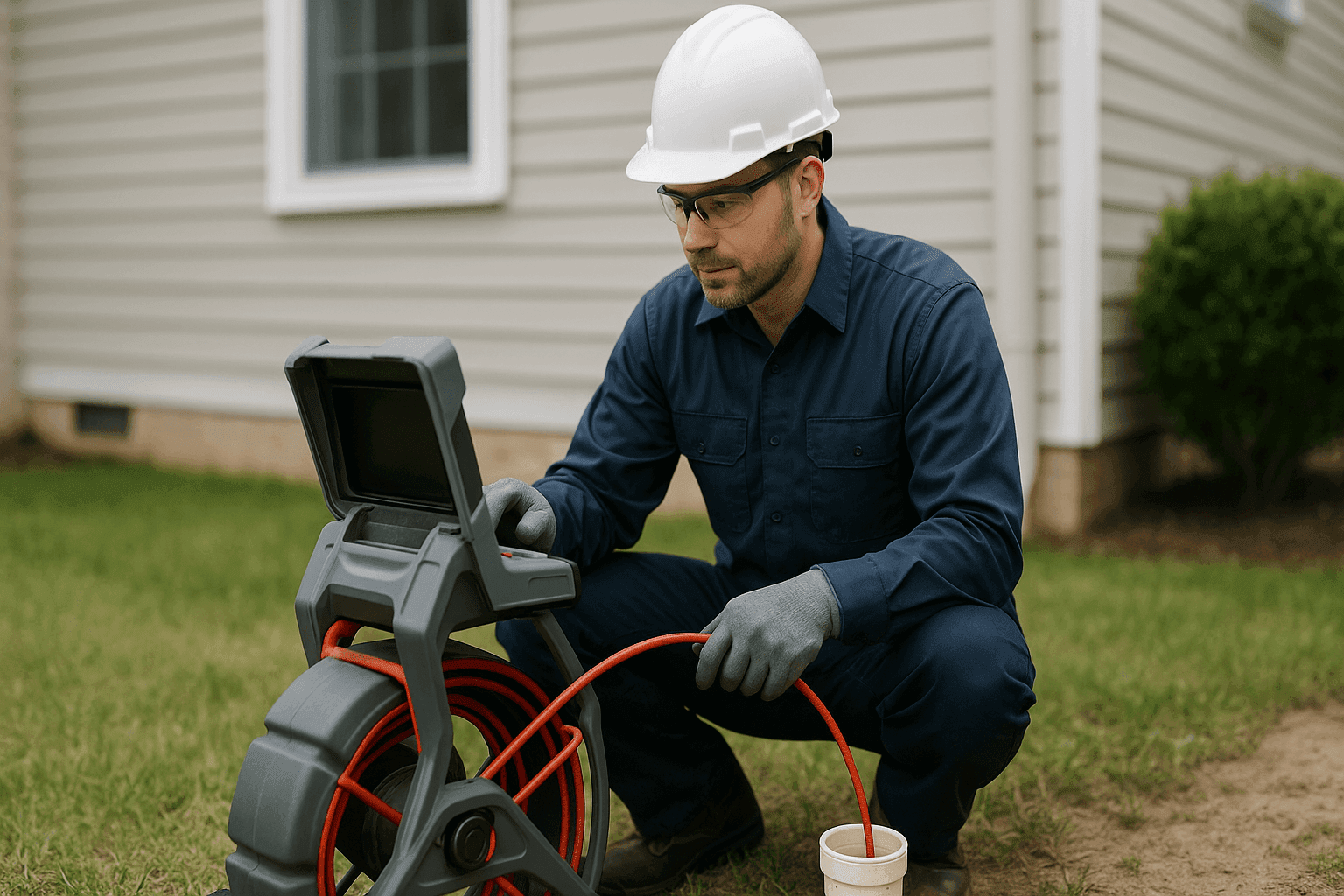
When our certified techs show up for a sewer line inspection, they don’t just guess. They bring specialized gear:
- Sewer camera: Imagine a waterproof snake with a tiny camera at the end, weaving through your pipes. This lets us see blockages, cracks, or roots without tearing up your yard.
- Locator devices: These help pinpoint exactly where a problem is underground, so no unnecessary digging happens.
- Dye tests (in rare cases): Sometimes, a safe colored dye is used to trace leaks or cross-connections.
The whole process is like sending a drone into a cave—except this cave is beneath your home, and what it reveals can save you from huge headaches.
What Camera Inspections Can Spot
- Root intrusion: Tree roots hunt for water and can squeeze into even the tiniest cracks.
- Pipe collapse: Older clay or cast iron pipes sometimes cave in, causing blockages.
- Grease or debris buildup: Years of cooking and flushing can leave stubborn clogs.
- Broken joints, offsets, or sags: Pipes shift over time, especially in areas with seasonal ground movement.
What the Inspection Reveals
After the camera does its job, you’ll get a real, visual story of your pipes—often with a before-and-after video. Here’s what’s typically included:
- Clear visuals: See cracks, roots, or blockages for yourself.
- Honest assessment: Our technician will explain what’s urgent, what can wait, and what’s simply cosmetic.
- Recommendations: We’ll advise the best course of action—sometimes it’s a simple cleaning, other times a bigger repair or replacement.
You won’t get scare tactics or upsells. Just the facts, so you can make the right choice for your home.
After-Inspection Steps
So, what happens next? Here’s a quick rundown:
- Review the footage: You’ll sit down with our tech and see exactly what’s in your pipes.
- Ask questions: No question is too simple. We want you to understand what’s going on.
- Decide on next steps: We’ll lay out your options, from immediate repairs to long-term solutions like pipe lining or replacement.
- Documentation: If you need a report for insurance or a home sale, we’ll provide it.
How to Prepare for a Sewer Inspection
- Clear access: Make sure basements, crawlspaces, and outdoor cleanouts are reachable.
- Pause water use: Hold off on showers, laundry, or flushing during the inspection window.
- Keep pets secure: The equipment can be tempting for curious animals.
Value for Older Homes or New Buyers
If your house was built before the 1980s, or if you’ve just purchased a home, sewer line inspection is more than just routine. It’s a way to avoid sudden, expensive emergencies. Many hidden issues start small—tiny cracks, minor root intrusion—but can quickly become major repairs if ignored.
The National Association of Home Builders recommends regular inspections, especially for homes more than 40 years old. It’s one of the simplest ways to avoid those midnight calls for emergency plumbing near you.
Tips for Homeowners
- Schedule inspections every few years, or right after buying your home.
- Watch for warning signs: slow drains, frequent clogs, or musty odors.
- Keep trees and shrubs away from sewer lines to minimize root problems.
- Never flush anything except waste and toilet paper—wipes, grease, and hygiene products are common culprits.
After the Inspection: What If There’s a Problem?
If the camera finds trouble, don’t panic. Here’s what usually happens:
- Minor clogs: Often cleared with a hydro-jet or mechanical auger.
- Root intrusion: Roots can sometimes be cut back, though severe cases may require pipe repair or replacement.
- Collapsed or broken pipes: In some cases, trenchless repair is possible; other times, a section may need to be replaced.
All work is handled by certified professionals, following local codes and safety standards (like those from the International Association of Plumbing and Mechanical Officials).
FAQ
How long does a sewer line inspection take?
Most inspections last between 60–90 minutes. Larger homes or more complex systems may take longer.
Is it messy?
Not at all. The camera is inserted through a cleanout point. No digging or demolition needed just for the inspection.
Will I get a copy of the video?
Yes. You’ll receive video evidence of your sewer line’s condition, along with a written summary.
What if the inspection finds a problem, but I’m not ready to repair?
No pressure. We’ll explain your options and let you decide what’s right for your timing and budget.
Local and Seasonal Considerations 🌦️
In areas with heavy clay soils, older neighborhoods, or lots of mature trees, sewer line problems are more common. Seasonal changes—like freezing and thawing—can also shift pipes underground. After a wet spring or a dry summer, it’s wise to check for any shifting or settling that might affect your lines.
Final Thoughts
A professional sewer line inspection is one of the smartest steps any homeowner can take—especially if you value peace of mind and want to avoid emergency plumbing surprises. At Lords Plumbing, our certified techs use the latest tools to give you a clear picture of what’s happening beneath your home.
Ready to schedule your inspection? Or have questions about your pipes?
Call Lords Plumbing now — or reach us anytime at 877-779-1505 .