Signs Your Home Needs a Sewer Line Repair or Replacement
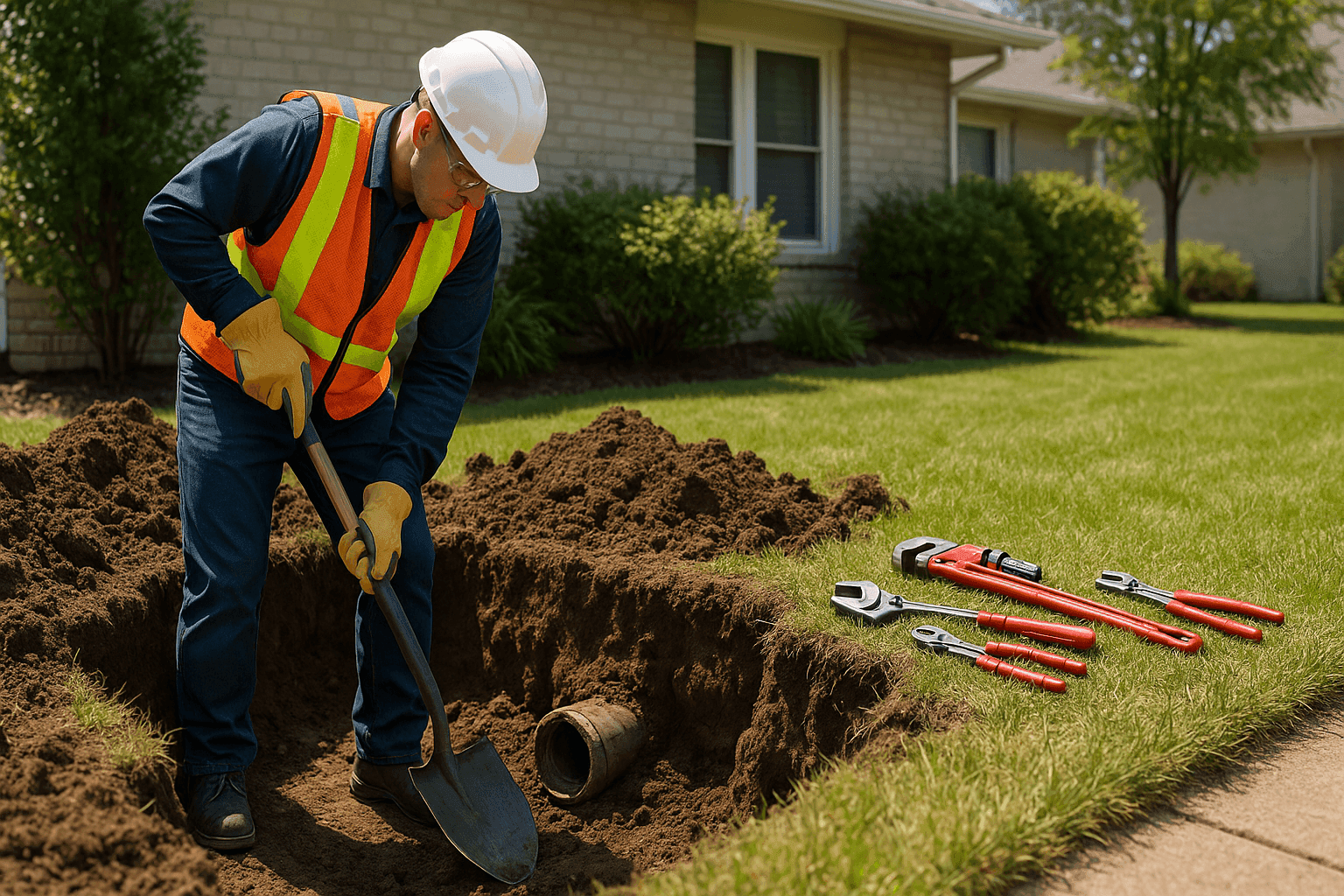
Every homeowner dreads the day they notice that unmistakable, foul odor wafting up from the yard—or worse, bubbling up in the bathroom. Sewer line trouble isn’t like a dripping faucet you can ignore for a while. It’s disruptive, messy, and can turn your home upside down fast.
At Lords Plumbing, we know sewer line problems don’t wait for business hours. If you’re seeing strange signs and wondering if your home’s trying to tell you something urgent, you’re not alone. Let’s walk through what to watch for, what’s at stake, and how a licensed emergency plumbing team handles these headaches—step by step.
Common Sewer Line Problems 🛠️
Sewer lines are the unsung heroes of every home. Quietly whisking away wastewater—until something goes wrong. Here are some of the most common issues:
- Persistent Clogs: Toilets that gurgle, sinks that drain slow, or showers that fill up like a kiddie pool. These are classic clues.
- Tree Root Intrusion: In many neighborhoods, tree roots snake through soil and squeeze into pipes, searching for water.
- Pipe Corrosion & Age: Older homes often have cast iron or clay pipes—both prone to cracking, collapsing, or rusting through.
- Soil Shift: Heavy rain, drought, or even nearby construction can make soil settle and press on your sewer line.
- Physical Damage: Accidental digging, ground movement, or even old repairs can weaken pipes.
A sewer line is like the main artery of your home’s plumbing system. When it’s blocked or broken, everything backs up—literally and figuratively.
Telltale Symptoms Your Sewer Line Needs Attention
How do you know if these hidden pipes are in trouble? Watch for these warning signs:
- Sewage Smells: That rotten-egg odor isn’t just unpleasant—it’s a red flag.
- Water in the Yard: Unexpected puddles or soggy spots, even in dry weather, can mean a leak underground.
- Persistent Clogs: If plunging just isn’t cutting it, and every drain seems slow, the problem may be deeper.
- Gurgling Sounds: Bubbling noises from toilets or drains aren’t normal—they’re your plumbing’s SOS.
- Unexplained Lush Patches: One super-green patch of grass? That could be a leaking sewer pipe feeding your lawn.
- Sinkholes or Depressions: In extreme cases, a damaged line can erode soil and cause dips or sinkholes.
If you see a mix of these symptoms, don’t wait. Sewer line issues escalate quickly, and the cost of delay can pile up even faster.
Repair or Replacement: Which Does Your Home Need?
Not every sewer line issue means a total replacement. Sometimes, a well-timed repair can save you thousands. So, what’s the difference—and how do you know which route is right?
When Repair Makes Sense
- Minor Cracks or Leaks: Small, isolated damage can often be patched or relined.
- Tree Roots: If roots haven’t shattered the pipe, specialized equipment can clear them and seal the entry point.
- Sectional Damage: Sometimes, only a short segment needs work.
When Replacement is Better
- Old, Fragile Pipes: If your line is made of clay or cast iron and has multiple weak spots, replacement may prevent future disasters.
- Repeated Backups: Constant problems often mean the whole line is compromised.
- Major Collapse: If a camera inspection shows a crushed or collapsed pipe, replacement is usually the safest option.
Think of repair as patching a leaky tire. If the tread is good, you’re safe. But if it’s worn and cracked all over, it’s time for a new one.
What to Expect from a Plumbing Pro
When you call emergency plumbing near you, you want to know what’s coming. Here’s how Lords Plumbing approaches every sewer challenge:
Step 1: Camera Inspection
We use a specialized waterproof camera to snake through your sewer line. This isn’t guesswork. The camera shows us exactly where the problem is—roots, cracks, blockages, or collapsed sections.
Step 2: Clear Communication
We’ll walk you through the findings. You’ll see the problem for yourself on the video screen.
Step 3: Plan & Permits
Depending on your city or county, sewer work often requires permits and must meet building codes (see local plumbing codes and the Uniform Plumbing Code for standards). We handle the paperwork and make sure everything’s above board.
Step 4: The Fix
- Spot Repairs: For isolated issues, we dig only where needed—or use trenchless methods if possible.
- Full Replacement: For larger jobs, we’ll outline the process, including timelines, equipment, and safety steps.
Step 5: Warranties & Cleanup
Licensed plumbers provide documentation for all repairs, and workmanship is held to state code. Cleanup is as thorough as the fix.
Quick Safety Checklist
- Keep kids and pets away from soggy or sunken areas.
- Don’t use chemical drain cleaners—they damage pipes and make repairs trickier.
- Shut off water if sewage is backing up inside.
- Call 811 before any digging—know what’s underground.
- Ask for license & insurance from anyone working on your sewer.
DIY vs. Call a Pro
Some plumbing headaches you can tackle with a plunger or a wrench. Sewer line issues? That’s a different story.
DIY Risks:
- Digging can hit gas or water lines.
- Damage to city infrastructure carries fines.
- Improper repairs can void insurance or violate codes.
When to call a pro:
- Multiple drains are clogged at once.
- Sewage is backing up anywhere in the house.
- You smell sewage indoors or outside.
- The ground is soft, sunken, or smells bad.
Trying to fix a sewer line yourself is like trying to perform surgery with a butter knife. Your home—and your health—are too important.
What Pros Do On Arrival
You’ve made the call. Here’s what happens next:
- Assessment: We ask about symptoms and inspect drains.
- Camera Inspection: Pinpoint the problem without guesswork.
- Location & Marking: We identify underground utilities and mark safe dig zones.
- Estimate & Plan: You get a clear explanation and written estimate.
- Permits & Preparation: All necessary paperwork is handled before digging.
- Repair or Replacement: Work is done to code, using safe, modern methods.
- Cleanup: We restore your yard as much as possible.
No two jobs are exactly alike. But you’ll always know what’s happening, and why.
Prevention & Maintenance
You can’t control every factor, but you can stack the odds in your favor:
- Don’t flush wipes, diapers, or hygiene products—even “flushable” wipes cause blockages.
- Plant trees away from sewer lines. Roots love pipes.
- Schedule regular drain cleaning. Prevent buildup before it becomes a crisis.
- Install backflow prevention devices—required by many local codes for flood-prone areas.
- Keep an eye on your water bill. Sudden spikes can signal leaks.
The National Association of Home Builders recommends having your sewer line inspected every few years, especially in older homes.
Costs & Time Factors
Sewer line repairs aren’t one-size-fits-all. Here’s what can affect your bill and timeline:
- Scope of Work: Repairs cost less than full replacements.
- Pipe Material: Clay, cast iron, and PVC each have different price points.
- Access: Deeply buried or hard-to-reach pipes take longer.
- Permits: Some cities move fast; others take time.
- Weather: Heavy rain or frozen ground can slow things down.
Most sewer repairs take between a few hours and two days, depending on complexity. Full replacements might take several days, especially if landscaping or concrete needs restoration.
When It’s an Emergency 🚨
Some sewer line issues can wait a day or two. Others need immediate action:
- Raw sewage inside your home.
- Major sinkholes, or ground that’s suddenly unstable.
- Sewage smells near living areas.
- Multiple drains backing up at once.
If you’re facing any of these, call emergency plumbing near you right away. Health and safety come first.
FAQ
How often should I have my sewer line inspected?
For homes over 20 years old, every 2–3 years is smart. Newer homes can go longer if you’re not seeing symptoms.
Can tree roots really break pipes?
Absolutely. Roots are incredibly strong and persistent—they can wedge apart joints and force their way into tiny cracks, eventually causing full blockages or breaks.
Is trenchless repair always possible?
Not always. It depends on the pipe’s condition, location, and local codes. We’ll recommend it if it’s safe and effective for your home.
What should I do if I smell sewage but don’t see a leak?
Call a licensed plumber for a camera inspection. Sometimes leaks are hidden deep underground, and letting them linger can cause serious property damage.
Local & Seasonal Considerations
Here’s what homeowners in our region need to watch for:
- Tree Roots: Our mature neighborhoods mean lots of thirsty roots.
- Soil Movement: Seasonal rain or drought causes soil to expand and contract—putting stress on buried lines.
- Freeze/Thaw Cycles: In cold snaps, pipes can shift or crack as the ground freezes and thaws.
- Heavy Rain Events: Sudden storms can saturate soil, making it easier for pipes to collapse if already weakened.
Stay aware of the risks in your area, and don’t hesitate to call for help if you spot warning signs.
If your home’s showing signs of sewer line trouble, don’t wait for a small issue to become a disaster. Call Lords Plumbing now — or reach us anytime at 877-779-1505 .