Sewer Line Problems: Warning Signs Every Homeowner Should Know
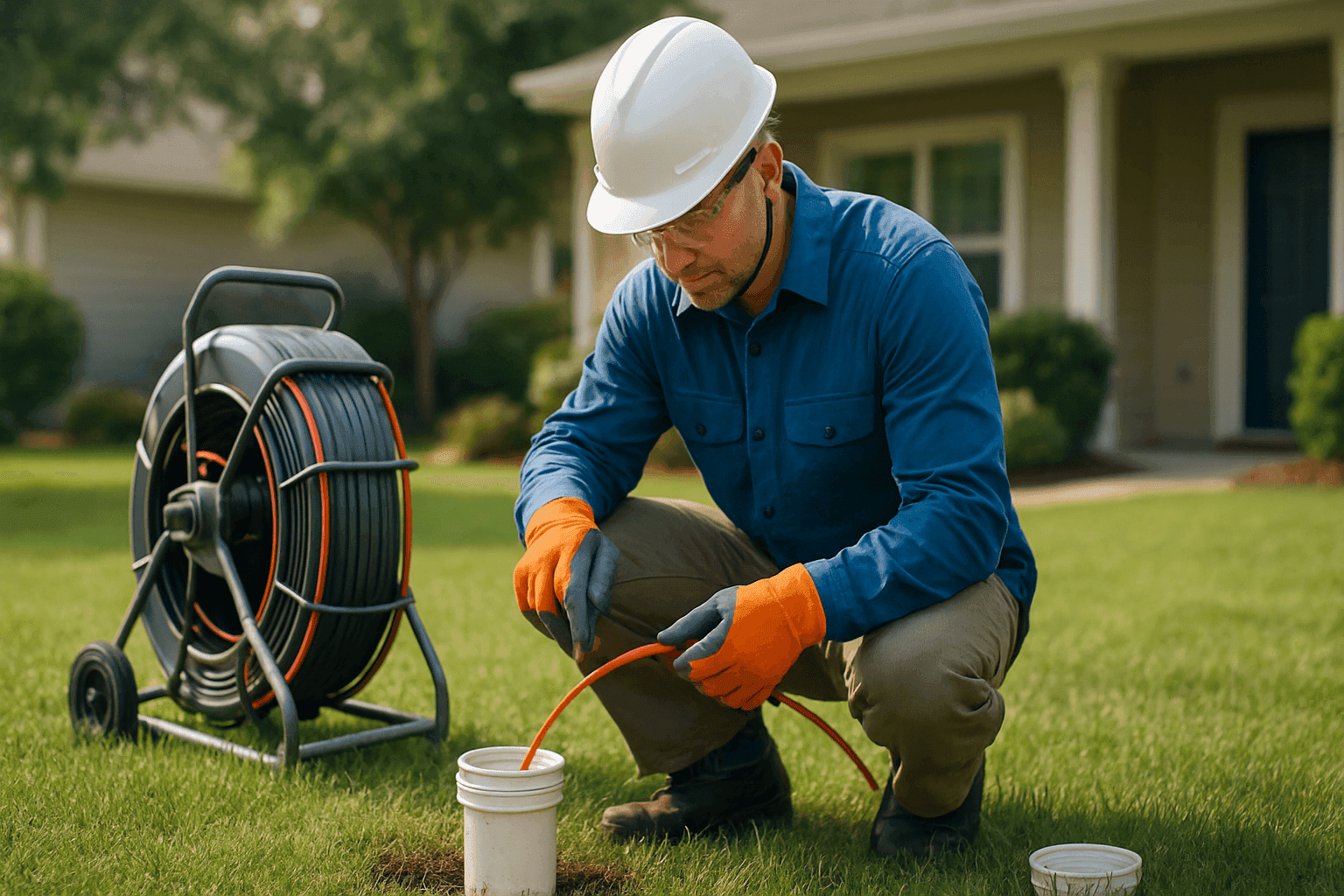
Every home relies on healthy sewer lines. When something goes wrong underground, the warning signs can be subtle—or impossible to ignore. Maybe you’ve heard a strange gurgle from the toilet that wasn’t there before. Maybe you’ve caught a whiff of something unpleasant in the yard. These little signals matter.
At Lords Plumbing, we know sewer problems don’t follow a 9-to-5 schedule. Emergency plumbing near you means we’re ready, day or night, to keep your home safe and flowing. Let’s break down what every homeowner should watch for, and what to do if you spot trouble.
Red Flags for Sewer Line Problems 🚩
Sewer issues rarely announce themselves with a neon sign. Instead, the symptoms are often everyday nuisances that slowly grow into disasters. Here’s what to watch for:
- Gurgling Drains: If your sinks or toilets make a sound like a coffee pot percolating, that’s often trapped air from a blockage.
- Foul Odors: Smelling sewage inside or outside? That’s a big warning. Sewer gases should never escape into living spaces.
- Wet or Lush Patches in Yard: Sudden soggy ground or extra-green areas can point to underground leaks.
- Multiple Slow Drains: One slow drain is annoying. Several at once signals a deeper problem, usually in the main line.
- Backups or Overflow: Water coming up where it shouldn’t—bathtub, floor drain, or basement—may mean a clog or break in your sewer line.
If you see even one of these, it’s not something to “wait and see.” Early action can prevent major repairs, mess, and health risks.
Causes and Risks
Why do sewer lines fail? Lots of reasons. Some you can’t control. Others can be prevented with routine care.
Common Causes
- Tree Root Intrusion: Roots are relentless. They hunt for moisture and worm their way into old clay or cast iron pipes, cracking or plugging them.
- Aging Pipes: Many older neighborhoods still have original pipes—sometimes 50, 60, even 100 years old. Over time, they corrode, crack, or collapse.
- Shifting Soil: Heavy rain, droughts, or nearby construction can move soil and stress pipes.
- Grease and Flushed Debris: Cooking oil, wipes, hygiene products—they all build up and eventually block flow.
- Poor Installation: Shoddy work or outdated materials (like Orangeburg pipe) often show their weakness decades later.
The Risks
- Health Hazards: Sewage carries bacteria and viruses. Backups can make your home unsafe fast.
- Property Damage: Flooded basements, ruined flooring, mold—it adds up.
- Costly Repairs: Letting a small problem fester often leads to major excavation and big repair bills.
Immediate Steps: What To Do if You Suspect a Sewer Problem
A sewer issue isn’t the time for guesswork. Here’s what you should do, right away:
- Stop Using Water: Hold off on laundry, dishwashing, and toilet flushing if you spot backups.
- Check for Obvious Leaks: Look for standing water, especially near floor drains or in the yard.
- Stay Clear of Sewage: Avoid contact—raw sewage is a serious health risk.
- Turn Off Appliances: Shut down sump pumps or water softeners that drain into suspect lines.
- Call Emergency Plumbing Near You: Get pros on the scene fast, especially if waste is backing up inside.
When to Call a Pro
Some plumbing jobs are simple. Sewer lines aren’t. Here’s when you need professional help:
- Backups in Multiple Fixtures: More than one slow or overflowing drain isn’t a coincidence.
- Persistent Odors: If cleaning and airing out doesn’t solve it, call right away.
- Visible Leaks or Wet Spots: Unexplained water outside or inside needs fast diagnosis.
- Old Pipes: If your home is 40+ years old and the drains groan and gurgle, don’t wait for disaster.
Emergency plumbing experts like Lords Plumbing arrive with specialized tools—cameras, locators, high-pressure jetters—to pinpoint the problem without guesswork.
How Pros Diagnose and Repair Sewer Lines
When you call Lords Plumbing, here’s what happens:
On Arrival
- Assessment: We’ll ask about symptoms and check all affected areas.
- Sewer Camera Inspection: A flexible camera snakes through the pipe, giving a real-time view of cracks, roots, clogs, or breaks.
- Locating the Issue: Using electronic locators, we find the exact spot of trouble—no unnecessary digging.
- Certified Repair Methods: Depending on what we find, solutions might include trenchless lining, spot repairs, or full replacements—all according to local code and safety standards (see: Uniform Plumbing Code, International Residential Code).
- Clean-Up & Safety Checks: We ensure the fix is complete and your home is left tidy and safe before leaving.
Prevention & Maintenance Tips
Stay ahead of sewer line headaches with these habits:
- Don’t Flush Trouble: Wipes, diapers, feminine products, and grease belong in the trash, not the drain.
- Schedule Regular Inspections: Especially for older homes or those with big trees nearby—an annual camera inspection can spot problems before they escalate.
- Trim Tree Roots: Keep roots away from your sewer line path.
- Watch for Slow Drains: Don’t ignore small changes—they’re often the first sign.
- Know Your Pipes: If you live in a historic neighborhood, ask about your sewer material and age.
Costs & Time Factors
Sewer repairs vary. Here’s what to expect:
- Minor Clogs: If the issue is a simple blockage, it could be resolved within an hour or two.
- Root Removal or Spot Repair: Expect a half-day to a full day, depending on access and pipe depth.
- Full Replacement: Can take several days, especially if excavation is needed.
- Costs: Factors include pipe depth, yard access, repair method, and pipe material. While we can’t quote exact prices here, emergency plumbing services are often faster and more cost-effective when caught early.
When It’s an Emergency
Some warning signs mean you need help now. Call for emergency plumbing near you if:
- Sewage is backing up inside your home.
- You smell strong sewer gas indoors.
- Multiple drains fail at once.
- A pipe has collapsed (sinkhole, sudden wet patch, or foundation crack).
If you see or smell any of these, don’t wait. Quick action limits damage and keeps your home safe.
FAQ: Home Sewer Problems
Q: Is a single slow drain a sewer line problem?
A: Not always. It could be a local clog. But if more than one drain is slow, call for a checkup.
Q: Are chemical drain cleaners safe for sewers?
A: No—many can damage pipes or only provide a temporary fix. It’s better to have a professional assess the real cause.
Q: How often should I get my sewer line inspected?
A: For older homes or those with trees nearby, once a year is smart. Modern homes with plastic pipes may need less frequent checks.
Q: Can insurance cover sewer repairs?
A: Sometimes. It depends on your policy and the cause. Review your coverage with your agent.
Local and Seasonal Considerations 🌳
Here in neighborhoods with mature trees and aging infrastructure, sewer line problems are especially common. Heavy rains can overload old systems. Droughts can shift soil and crack pipes. If your home sits in an older part of town, or you have large trees near your main line, stay alert for the red flags above.
Seasonally, spring and fall are prime times for sewer trouble—rain, thaw, and growing roots all put extra stress on underground pipes. Regular camera inspections can catch problems before they bloom into emergencies.
Sewer problems don’t get better on their own. Stay alert to the warning signs, and act quickly to keep your home safe, dry, and comfortable.
Call Lords Plumbing now — or reach us anytime at 877-779-1505 .