Sink Repair and Replacement: When to DIY and When to Call a Pro
Everyone’s had that moment. You hear the drip, drip, drip in the middle of the night. Or you find a puddle under the sink and your heart sinks with it. Sinks are the unsung heroes of our homes, but when something goes wrong, it can throw off your entire day—or worse, cause real damage.
At Lords Plumbing, we know that not every issue means you need emergency plumbing. Sometimes, you can roll up your sleeves and handle it yourself. But sometimes, a problem is a wolf in sheep’s clothing, hiding bigger trouble below the surface. Here’s how to tell the difference—and what to do next.
Common Sink Problems 🛠️
Let’s name the usual suspects. If your sink is acting up, chances are it’s one of these:
- Leaks: Water under the cabinet, behind the basin, or dripping from pipes is a red flag.
- Loose Faucets: Wobbly fixtures can signal worn washers, loose mounting nuts, or stripped hardware.
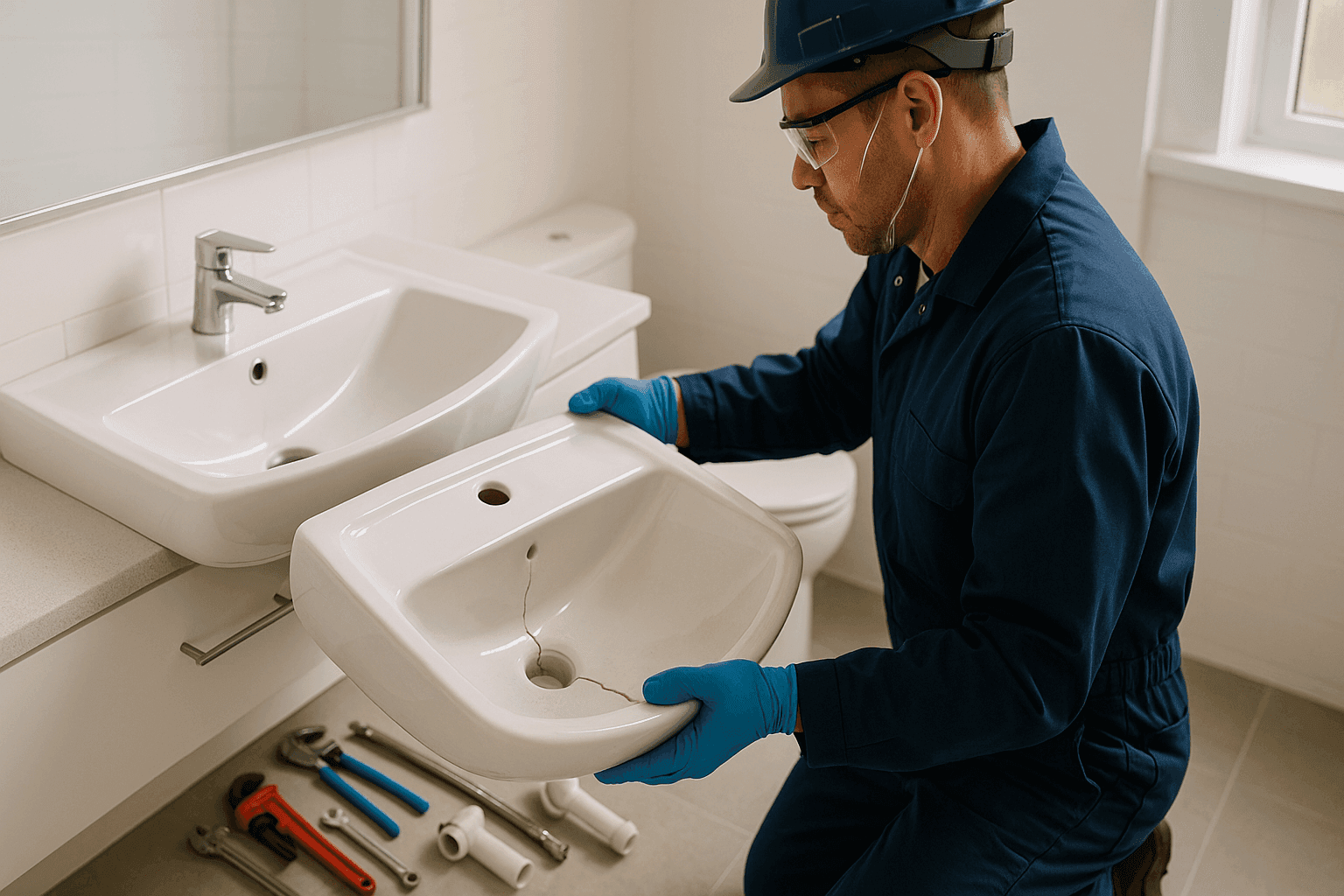
- Cracks: Hairline or spiderweb cracks in porcelain or composite sinks may seem harmless but can spread—and leak.
- Mounting Issues: If your sink feels like it’s about to take off, unstable mounting could be to blame.
- Water Stains: Yellow, brown, or green stains around the base or under the sink hint at long-term leaks.
Each problem can have a simple fix—or be the tip of a much bigger iceberg.
Quick Safety Checklist
Before you grab your wrench or call for emergency plumbing near you, check these off:
- Shut off the water. Every sink should have a shutoff valve nearby.
- Unplug electrical devices. Water and electricity are a dangerous mix.
- Use a flashlight. See what’s happening behind pipes or under cabinets.
- Wear gloves. Protect your hands from sharp edges, chemicals, or mold.
- Keep a bucket handy. Even a “small” leak can fill one fast.
If you smell gas, see sparks, or water is spreading fast, step away and call a professional immediately.
DIY Repair Tips
Some sink issues are like a loose screw in a chair—annoying, but fixable with a little patience. Here’s what you can safely try:
Leaky Pipes or Fittings
- Tighten loose slip nuts by hand, then a quarter-turn with a wrench.
- Replace worn washers or gaskets (hardware stores carry universal kits).
- For plastic pipes, check for cracks or stripped threads.
Loose Faucets
- Look under the sink for the mounting nuts. Tighten gently.
- If they spin without gripping, you may need to replace the mounting hardware.
Small Cracks or Chips
- Epoxy repair kits can seal tiny cracks in porcelain or composite sinks. Follow package instructions carefully.
- For stainless steel, use food-safe sealant for minor leaks.
Unclogging Drains
- Try a plunger or a hand-crank drain snake (never chemicals, which can eat pipes).
- Remove and clean the P-trap if you’re comfortable with basic plumbing tools.
Caution: If you see rust, black mold, or major corrosion, stop. These can signal bigger issues that need a pro.
Signs Replacement Is Needed
Sometimes, a sink is beyond patching up—like a pair of shoes with holes in the soles. Here’s how to tell if it’s time for a replacement:
- Cracks run deep. If you can see daylight, or the crack leaks even after repair, replacement is safer.
- Persistent Leaks. If tightening and replacing washers doesn’t stop the drip, the fixture or pipe may be corroded inside.
- Wobbly Sinks. If the mounting area is rotted, cracked, or no longer holds hardware, the whole basin could collapse.
- Stains that keep coming back. Persistent water stains even after “fixes” may mean hidden leaks inside the cabinetry or walls.
- Outdated or unsafe materials. Old sinks made of lead-based solder or pipes don’t meet today’s codes (see International Plumbing Code for standards).
If your sink is damaged beyond repair, upgrading can improve water efficiency and boost home value.
Professional Repair Benefits
Why call a pro for sink repair or replacement? It’s not just about the tools. It’s about seeing the whole picture.
- Troubleshooting: Plumbers know where leaks hide—behind walls, under floors, even inside cabinets.
- Warrantied repairs: Professional work comes with documentation, so if something goes wrong later, you’re covered.
- Code compliance: Licensed plumbers follow national and local codes, which keeps you safe and insurable.
- Material know-how: From porcelain to stainless, cast iron to composite, each sink type needs a different approach.
- Cleanup: Leave the mess and disposal to us.
When you call for emergency plumbing near you, you get more than a fix—you get peace of mind.
Local/Seasonal Considerations 🌦️
Not all sinks (or sink problems) are the same. Here’s what to keep in mind for different homes and seasons:
- Porcelain Sinks: Prone to cracks from dropped heavy objects. Avoid sudden temperature changes.
- Stainless Steel: Good for busy kitchens but can dent. Use gentle tools for repairs.
- Granite/Composite: Tough but can chip if struck hard. Always use the right filler for repairs.
- Cold Weather: Freezing pipes can burst under sinks, especially in older homes. Insulate pipes before winter hits.
- High Humidity: Bathrooms and basements are vulnerable to mold. Check for musty smells and discoloration regularly.
Prevention & Maintenance
An ounce of prevention is worth a pound of repairs. Here’s how to keep your sinks in top shape:
- Check for leaks monthly. Run water and look under the cabinet.
- Clean aerators on faucets to keep the flow steady.
- Inspect caulking around sinks and backsplashes.
- Clear slow drains with a safe plunger or hand snake—not harsh chemicals.
- Replace old supply lines every 5–10 years, or sooner if you notice bulges or cracks.
Good habits go a long way toward avoiding emergency plumbing calls.
Costs & Time Factors
Sink repairs and replacements can range from “quick fix” to “weekend project.” Here’s what affects the time and cost:
- Simple repairs (tightening a nut, replacing a washer): 10–30 minutes, low cost.
- Fixture replacement (new faucet or drain): 1–2 hours.
- Sink replacement (removing and installing a new basin): 2–4 hours for professionals, longer for DIYers.
- Hidden damage (rot, mold, corroded pipes): Add extra time and labor.
Professional repairs may cost more upfront but can save you from repeat problems and hidden damage.
When It’s an Emergency
If you see or experience any of these, don’t wait—call for emergency plumbing right away:
- Water pouring out uncontrollably
- Severe leaks causing flooding or structural damage
- Gas smells near the sink area
- Electrical outlets or appliances getting wet
- Mold, sewage smells, or black water under the sink
Act fast. Water damage spreads like spilled paint—fast and far.
FAQ
How do I know if my sink leak is serious?
If water keeps appearing after you clean it up, or if you find stains, swelling wood, or mold, it’s best to get it checked by a professional. Persistent leaks can hide bigger problems.
Can I use a store-bought epoxy to fix sink cracks?
Epoxy can patch small, surface-level cracks in porcelain or composite sinks. If the crack leaks or grows, replacement is safer. Always follow manufacturer safety instructions.
How long does a typical sink replacement take?
A professional can often swap out a standard sink in 2–4 hours, depending on accessibility and any hidden damage. DIY replacement may take longer without the right tools.
What’s the safest way to clear a clogged sink drain?
Start with a plunger or a hand-crank drain snake. Avoid chemical drain cleaners—they can damage pipes and harm septic systems. If the clog doesn’t budge, call in the pros.
Call Lords Plumbing now — or reach us anytime at 877-779-1505 .