Sump Pump Failure: Causes, Fixes, and Avoiding Basement Floods
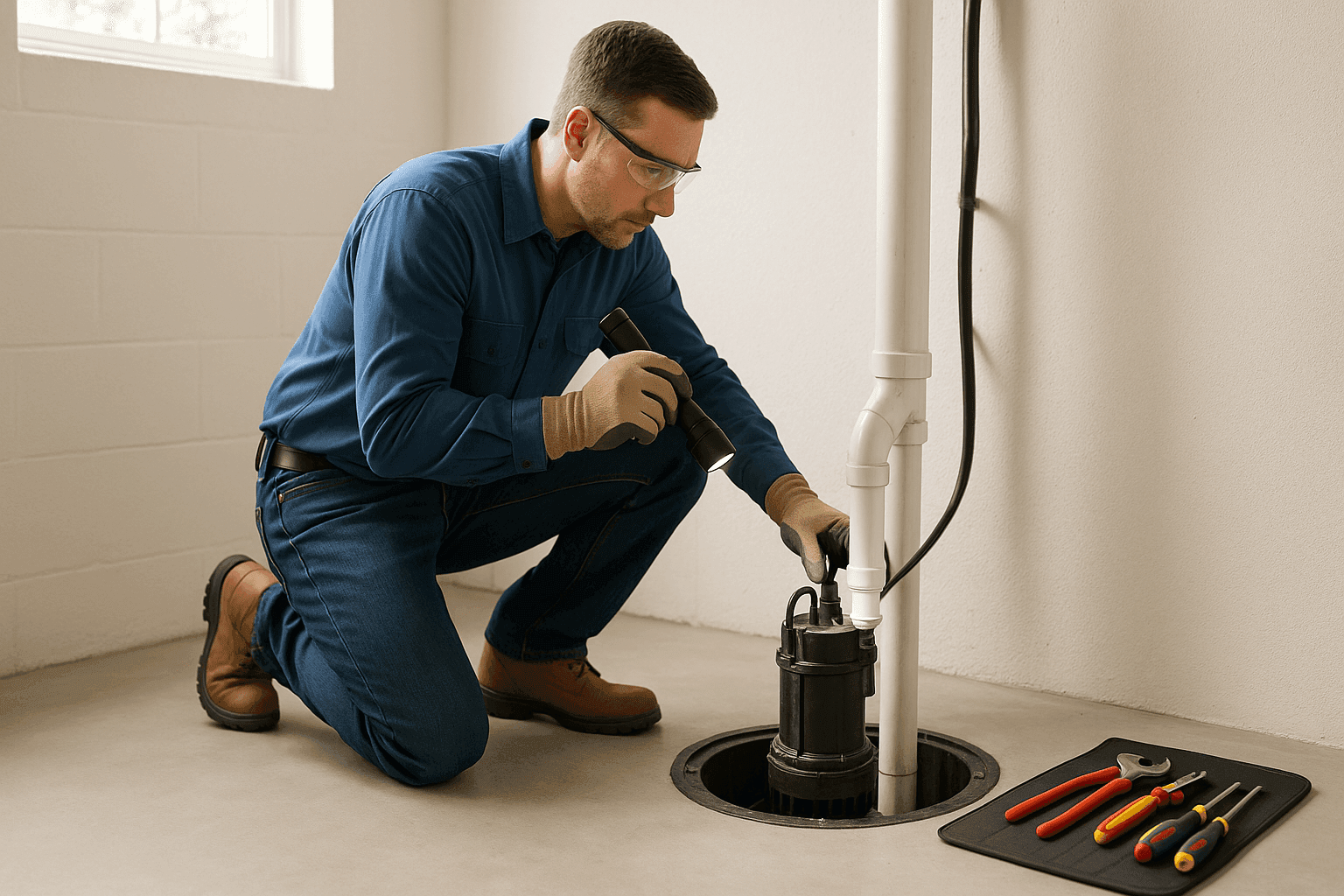
You never forget the first time your basement floods. Maybe it started with a steady rain, a faint humming from the corner, and then—silence. The telltale puddle creeping across the floor. Panic.
At Lords Plumbing, we know most homeowners don’t think about their sump pump until water is already rising. That’s when emergency plumbing becomes more than a search—it’s a lifeline. Let’s help you spot trouble before you need a rescue.
How Sump Pumps Work
A sump pump is your basement’s unsung hero. It waits in a pit (the “sump basin”), watching for water that shouldn’t be there. When water fills the basin, the pump turns on and pushes the water away from your home—usually out into your yard or storm drain.
Think of it like a goalie, kicking out every shot that comes its way. But even goalies need backup. And when a sump pump fails, water scores big.
Key components:
- Float switch: Activates the pump when water rises.
- Discharge line: Directs water safely away.
- Check valve: Stops water from flowing back.
- Power source: Keeps everything running.
A working sump pump is especially crucial in areas where storms and floods are part of the yearly routine. If your home sits in a flood-prone region, this silent defender is your best friend.
Common Failure Causes ⚡
Why do sump pumps drop the ball? A handful of usual suspects:
- Power loss: Storms often knock out electricity just when you need your pump most.
- Stuck or jammed switch: The float can get caught, leaving the pump asleep on the job.
- Blocked discharge pipe: If the exit is clogged with debris, water has nowhere to go.
- Pump burnout: Overworked or old pumps can quit without warning.
- Improper installation: A poorly fitted pump or wrong size for your home’s needs.
- No battery backup: When the lights go out, so does your protection.
- Frozen lines: In cold climates, water in the discharge can freeze solid.
Ignoring any of these is like ignoring a leaky roof before a storm. It’s a risk you don’t want to take.
DIY Troubleshooting Steps
Got a wet basement and a quiet pump? Before you call for emergency plumbing near you, try these steps:
- Check the power: Make sure the pump is plugged in. Reset tripped breakers.
- Test the float: Lift the float gently by hand. If the pump hums to life, the switch works.
- Inspect the pit: Clear out any mud, leaves, or small toys that have found their way in.
- Look outside: Make sure the discharge pipe isn’t buried in mulch or snow.
- Sniff for burning: If you smell burnt plastic or see smoke, shut it off and step away.
If your pump runs but no water leaves, or if it’s silent when submerged, it’s likely time for a professional.
When to Call a Pro
There’s a line between a handy homeowner and a flooded nightmare. Call Lords Plumbing if you spot:
- Standing water that keeps rising
- Strange noises—grinding, clanking, or silence when running
- Repeated breaker trips
- Visible sparks or burning smells
- You’re unsure about anything electrical
Licensed plumbers not only fix the immediate problem but also check for code compliance, proper backflow prevention, and overall system health. The peace of mind is worth it.
Preventing Floods: Sump Pump Maintenance 🛠️
Keeping your basement dry isn’t luck. It’s routine care—just like you’d service your car before a road trip.
Tips for a reliable pump:
- Test monthly: Pour a bucket of water into the pit and watch it cycle.
- Clean the pit: Remove sand, dirt, or gravel that collects at the bottom.
- Check the discharge: Make sure water flows freely outside.
- Install a battery backup: Choose a model rated for your pump’s horsepower. The National Association of Home Builders recommends it as essential in flood-prone areas.
- Schedule annual inspections: A licensed plumber will spot worn parts before they fail.
Regular checks go a long way, especially before storm season hits.
Costs & Time Factors
Sump pump repairs and replacements come in all shapes and sizes. Here’s what to expect:
- Simple fixes: Clearing a clog or resetting a switch can take under an hour.
- Pump replacement: Usually 2–4 hours, depending on access and pit condition.
- Battery backup installation: 1–2 hours, plus the cost of the backup system itself.
- Major repairs: Extensive wiring or plumbing changes can take a day or more.
Parts and labor vary. But waiting often leads to much bigger bills—think mold remediation and structural repairs. Quick action is always cheaper in the long run.
When It’s an Emergency
Water rising fast? That’s an emergency. Don’t wait.
Emergency plumbing near you should be called when:
- Water threatens electrical outlets or appliances
- The pump won’t run at all
- Floodwater contains sewage or smells foul (this is a health hazard—refer to CDC guidelines)
- You’re unable to slow or stop the water
Acting fast protects your home, your health, and your wallet.
FAQ: Common Questions Homeowners Ask
How long should a sump pump last?
Most last 7–10 years with regular care. Heavy use or poor maintenance shortens that window.
Can I install a sump pump myself?
Handy folks can, but local plumbing codes and safety standards (check with your city or the International Association of Plumbing and Mechanical Officials) must be followed. Improper installation risks floods and insurance headaches.
What size pump do I need?
It depends on your basement size, local water table, and rainfall. A plumber can help you choose the right horsepower.
What does a battery backup do?
It keeps your sump pump running when the power goes out—critical during storms.
Local/Seasonal Considerations 🌧️
If you live in regions known for heavy rain or rapid snowmelt, your sump pump works overtime. In these areas, the risk of failure is higher—and so is the need for regular checks.
Cold winters? Insulate discharge lines to prevent freezing. Spring thaw? Test your pump before the first big melt.
Some municipalities require periodic sump pump inspections or backflow testing for homes in flood zones. Always check your local requirements. And if you’ve already experienced a basement flood, consider an automatic water shutoff system as an added layer of defense.
It’s never just water—it’s your home, your memories, your peace of mind. If you suspect your sump pump is failing or want a professional eye before the next storm, Lords Plumbing is here for you 24/7.
Call Lords Plumbing now — or reach us anytime at 877-779-1505 .