Toilet Repairs 101: Fixing Common Problems Fast
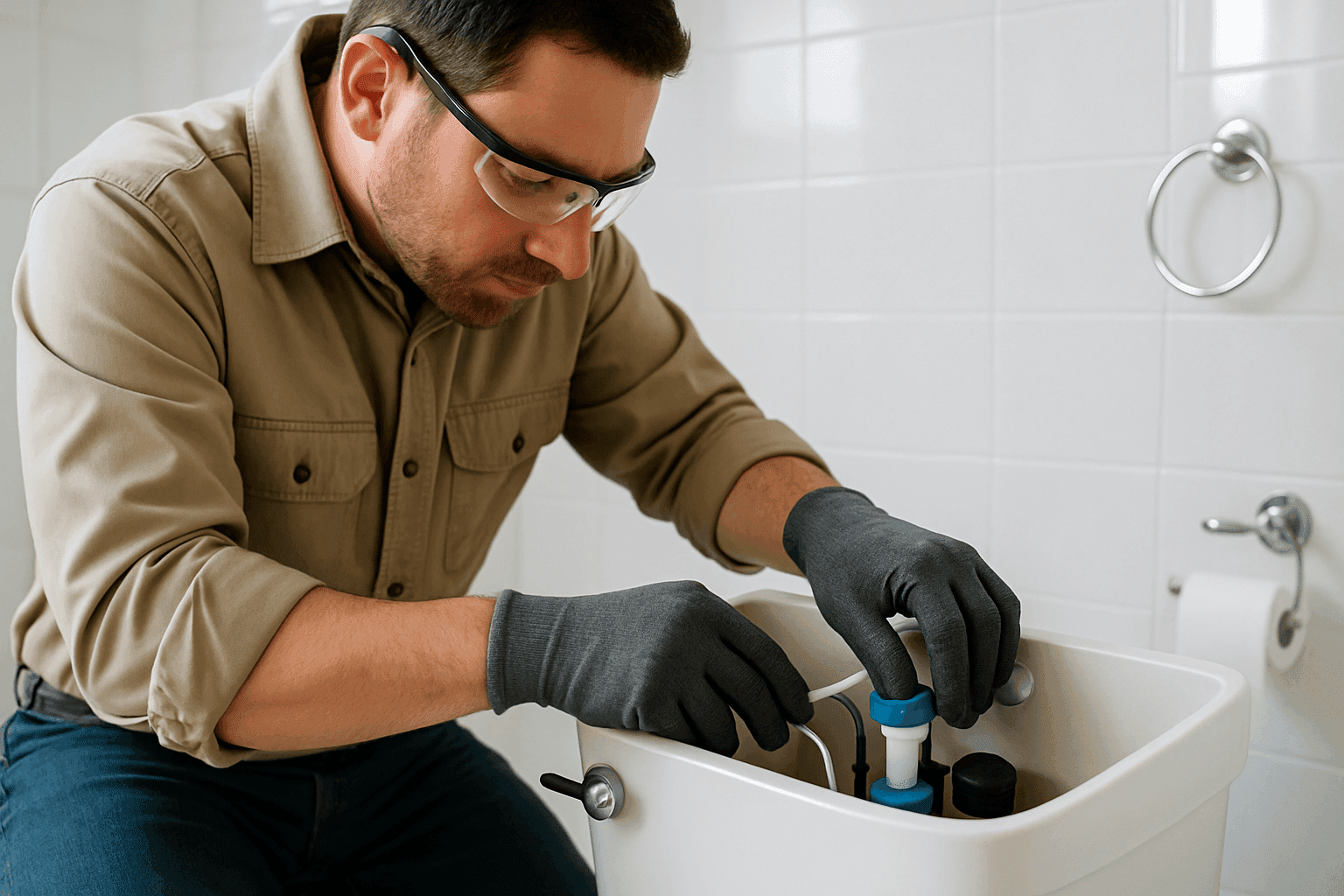
A toilet that won’t stop running. A puddle creeping out from under the tank. That unmistakable gurgle when you flush—or worse, nothing happens at all. If you’re reading this, you probably need a fix, fast.
At Lords Plumbing, we know toilet troubles don’t wait for business hours. Whether it’s an annoying drip or a full-on emergency plumbing crisis, a quick response can save you time, money, and a whole lot of stress. Here’s how to handle the most common toilet repairs before they spiral out of control.
Diagnosing Toilet Issues 🚽
Every toilet problem has a story. Some are loud and obvious—a waterfall in your bathroom. Others whisper: a slow leak, a weak flush, or a phantom fill that keeps you up at night.
Common Signs Something’s Wrong
- Constantly running water (like a marathon that never ends)
- Water pooling around the base (the silent spreader)
- Weak or incomplete flushes
- Unusual sounds—gurgles, hisses, or clunks
- Tank that won’t fill, or fills too slowly
- Water leaking from the tank or supply line
Think of your toilet as a little ecosystem. When one piece fails—like a faulty flapper or worn wax ring—the whole system reacts.
The Main Culprits
- Flapper (the rubber gate at the bottom of the tank)
- Fill valve (the vertical mechanism that controls water flow)
- Wax ring (seals the toilet to the floor)
- Supply line (brings water from the wall to the tank)
- Tank bolts and gaskets (hold everything tight, but can loosen or corrode)
Spotting where the trouble starts can save hours of trial and error.
Quick Safety Checklist
Before you lift that tank lid, pause. A few smart steps will keep you and your bathroom safe:
- Shut off the water supply (usually a knob behind the toilet)
- Flush to empty the tank and bowl as much as possible
- Keep a towel or bucket handy for spills
- Wear gloves if you’ll be touching the wax ring or water in the bowl
- Avoid overtightening metal connections (they can crack porcelain)
- Always check for visible cracks in the tank or bowl before proceeding
If you smell gas (rare in toilets, but possible if you have a gas water heater nearby), leave the area and call for emergency plumbing help immediately.
How to Fix Common Problems
Sometimes, the fix is easier than you’d think. Here’s how to tackle the most frequent offenders:
Fixing a Running Toilet
- Check the flapper: Is it warped or not sealing properly? Replace it if it’s stiff or degraded.
- Adjust the chain: Too loose, and the flapper won’t seal. Too tight, and it won’t open fully.
- Inspect the fill valve: If the tank keeps filling, try adjusting the float or replacing the valve.
Stopping Leaks at the Base
- Check for wobble: If your toilet rocks, the wax ring may be failing.
- Remove the toilet: Turn off water, disconnect the supply, and unscrew the bolts.
- Replace the wax ring: Scrape away the old one, set a new ring, and re-seat the toilet.
- Tighten the bolts: Just enough to stop movement—too tight and you’ll crack the base.
Fixing Weak Flushes
- Clear the rim holes: Mineral buildup can block water flow; poke gently with a wire or brush.
- Check the tank fill level: Adjust the fill valve so water sits about an inch below the overflow tube.
Replacing a Leaky Supply Line
- Turn off water at the shutoff valve
- Unscrew both ends of the supply line
- Install a new braided steel line (they’re more durable than plastic)
- Hand-tighten, then give a small turn with a wrench
When to Replace Parts
Sometimes, repairs just don’t cut it. Here’s when to swap out for new:
- Flapper: Every 2–5 years, or if it’s visibly cracked
- Fill valve: If adjusting doesn’t work, or if you see corrosion
- Wax ring: Any time you have a leak at the base, or after 10+ years
- Supply line: At any sign of bulging, rust, or leaks
Always use parts that meet local plumbing codes (check with the International Association of Plumbing and Mechanical Officials or your municipality for guidance).
Pro Tips for Safe Repairs
- Use only high-quality replacement parts, preferably those marked as “universal” or from original manufacturers.
- Never mix metal and plastic threads without proper washers—leaks love these mismatched marriages.
- Follow manufacturer instructions, but trust your senses—if something feels off, stop and reassess.
- Keep the area dry and clean to avoid slips and further damage.
Professional Help: When to Call Emergency Plumbing Near You
Some issues need more than a wrench and a can-do attitude.
- Persistent leaks that return after repair
- Visible cracks in porcelain
- Sewage smells or water backing up
- Major flooding or water pooling that doesn’t stop
A professional plumber uses specialized tools—like electronic leak detectors or sewer line inspection cameras—to find hidden problems fast. We also make sure everything’s up to code, which matters for your family’s safety and your home’s value.
Local Water Pressure Troubles? Here’s What to Know
Water pressure is like the heartbeat of your home’s plumbing. Too high, and seals blow out early. Too low, and you get weak flushes or slow tank fills.
- High water pressure (over 80 psi): Install a pressure-reducing valve; check for water hammer (loud banging sounds).
- Low water pressure: Check for partially closed supply valves or buildup in pipes.
- Seasonal shifts: In some areas, cold weather can freeze pipes, causing leaks or bursts under your toilet.
If you’re in an older neighborhood, regular pipe inspections and pressure checks can prevent sudden toilet troubles.
Quick DIY vs. Call a Pro
DIY is great for:
- Replacing a flapper or fill valve
- Tightening a loose handle
- Swapping out a supply line
Call a pro for:
- Leaks at the base (wax ring jobs can get messy)
- Any sign of sewer gas
- Repeated clogs or backups
- Water stains or bubbling under the toilet
If your fix doesn’t last, or you’re unsure about next steps, it’s always safer to call for emergency plumbing near you.
What Pros Do On Arrival
When Lords Plumbing arrives, here’s what to expect:
- Careful inspection of the toilet and surrounding area
- Pressure testing and dye tests for hidden leaks
- Check of all connections, bolts, and seals
- Replacement of worn or outdated parts with code-approved replacements
- Cleanup of all work areas—no mess left behind
Prevention & Maintenance
A little care goes a long way:
- Test the flapper every six months (just push gently with a stick; if it’s sticky or brittle, replace it)
- Watch for slow-filling tanks and address them early
- Don’t use chemical drain cleaners in your toilet—they can eat away at rubber seals
- Check for condensation or dampness around the base, especially during humid months
Costs & Time Factors
Most basic repairs—like a flapper or fill valve—take under an hour and won’t break the bank. Replacing a wax ring or supply line can take a bit longer, especially if there’s corrosion or the toilet is hard to remove.
More intensive repairs, like cracked tanks or sewer line issues, will need a professional assessment. Costs can vary by region, time of day (emergency plumbing calls are often after hours), and parts availability.
When It’s an Emergency
- Water is flooding the bathroom and you can’t stop the flow
- Sewage is backing up (major health hazard)
- The main shutoff valve won’t work
- You smell gas while working near your water heater or in the bathroom
Don’t wait. Turn off your home’s main water supply and call for emergency plumbing near you.
FAQ
How often should I replace my toilet’s flapper?
Every 2–5 years, or whenever you notice it’s not sealing well.
Why does my toilet keep running after I flush?
Usually the flapper isn’t sealing or the fill valve needs adjusting.
Is it safe to use “drop-in” tank cleaners?
Most plumbers recommend against them; they can degrade rubber seals and flappers.
Can I fix a leaking supply line myself?
If you’re comfortable using basic tools and can shut off the water, yes. If not, or if you see corrosion, call a pro.
Local & Seasonal Considerations
If you live in an area with hard water, mineral buildup in your tank or rim holes is common—clean them regularly. In regions with freezing winters, insulate exposed pipes and check for leaks in spring.
Older homes may have outdated supply lines or wax rings that fail more often. Annual plumbing checkups can prevent surprises.
References
- International Association of Plumbing and Mechanical Officials (IAPMO)
- National Standard Plumbing Code
- Local building codes and water authority guidelines
Call Lords Plumbing now — or reach us anytime at 877-779-1505 .