Water Heater Installation: What Homeowners Need to Know
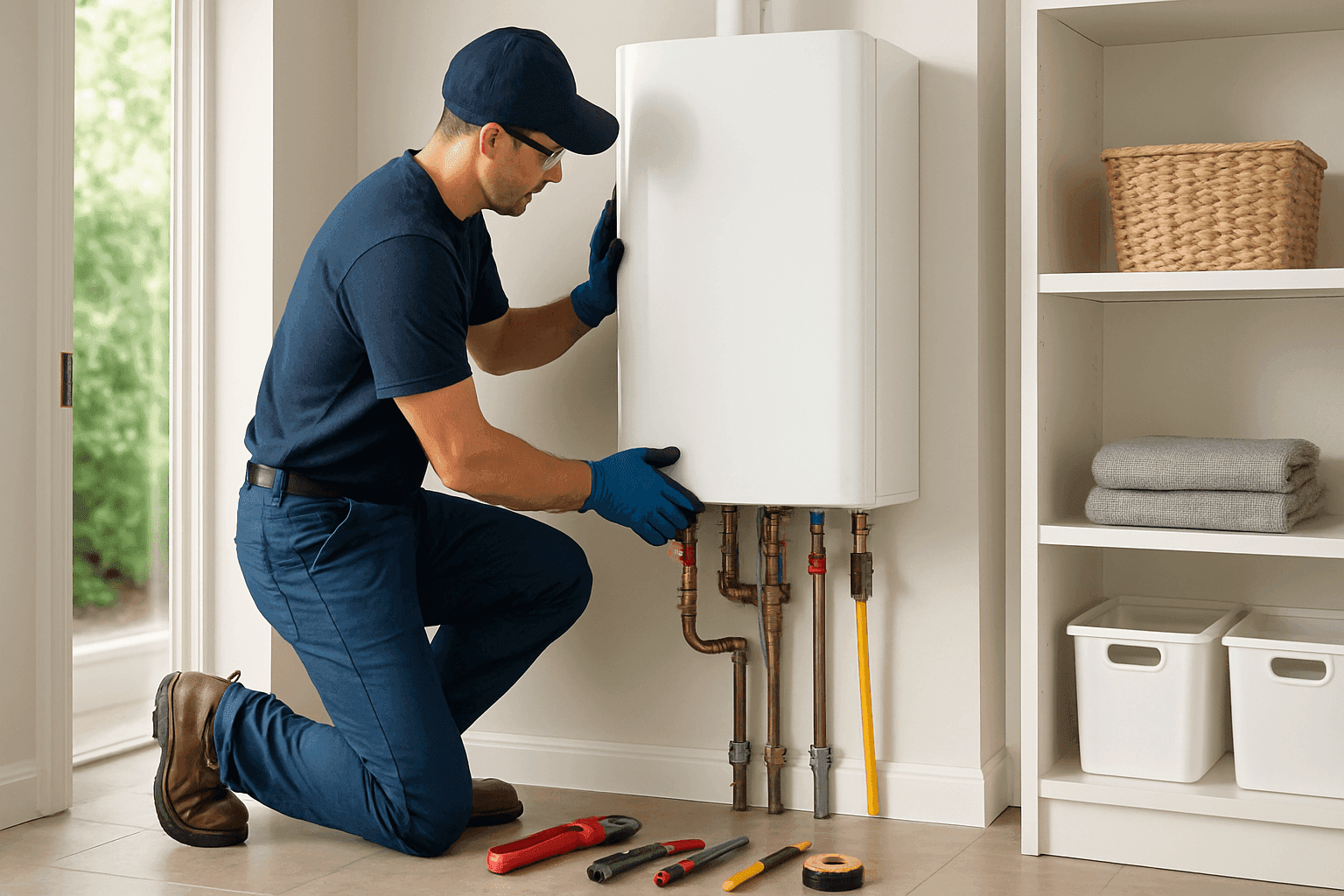
When the hot water runs cold, a small problem can feel like a tidal wave. Whether your heater is on its last leg or you’re building new, a smooth water heater installation is essential for daily comfort. At Lords Plumbing, we know a hot shower isn’t a luxury—it’s a necessity, especially when emergencies strike.
Tackling a water heater installation isn’t just about plugging in a new appliance. It’s about safety, efficiency, and making sure your home’s plumbing stands up to everyday demands. Let’s break down what homeowners need before turning up the heat.
Choosing the Right Water Heater 🛁
Think of your water heater like the heart of your home’s plumbing. If it’s too small, you’re left shivering. Too large, and you’re burning money. Here’s how to find the right fit:
Sizing Matters
- Family size: Bigger families need more hot water. A 40–50 gallon tank suits most households of 3–4. For larger families, consider 50+ gallons or a high-output tankless model.
- Peak demand: Dishwashers, washing machines, and showers running at once? Add up the gallons-per-minute (GPM) each uses—this is your peak demand.
Tankless vs. Conventional
- Conventional (Tank): Stores hot water. Reliable, familiar, but can run out during heavy use.
- Tankless: Heats on demand. Never runs out, saves space, and can lower energy bills—but may cost more upfront.
- Hybrid or Heat Pump: Efficient for some climates, but check local compatibility.
Fuel Source
- Gas, Electric, or Propane: Each has pros and cons. Gas heaters heat faster, but require proper venting. Electric units are easier to install but may cost more to run.
Venting & Placement
- Proper venting: Gas heaters must vent outdoors—no shortcuts. Carbon monoxide is a silent threat.
- Space: Will your new heater fit in the current spot? Tankless units can tuck into tight corners, while tanks often need clearance and access.
Warranty
- Compare warranties. Longer coverage signals better build quality. Read the fine print for parts and labor.
Installation Steps: What to Expect
Even if you’re not doing the work yourself, it helps to know the steps. Like baking bread, there’s a recipe:
- Shut off water and power/gas. Safety first.
- Drain and remove the old heater.
- Check for leaks, corrosion, or damaged pipes. Fix them now, not later.
- Install new unit: Connect to water lines and power source. For gas, double-check the gas line and vent.
- Test for leaks: Water and gas connections.
- Fill the tank and bleed air from the lines.
- Restore power or gas.
- Set temperature (recommended: 120°F for safety and efficiency).
Some jobs go fast—others reveal hidden problems like old, corroded pipes or outdated wiring. Expect a few bumps, but professional plumbers can smooth them out.
Permits and Codes: Playing by the Rules 🏡
Water heater installation is not the Wild West. Every city and county has rules to follow—think of them as guardrails, not roadblocks.
- Permits: Most locations require a permit for water heater installation or replacement. This ensures the work meets safety and energy standards.
- Inspections: After installation, a city or county inspector may need to check the work. This protects your home and may be required for home insurance.
- Code compliance: National codes (like the Uniform Plumbing Code or International Plumbing Code) set the basics, but local rules often add extra steps—like seismic straps in earthquake zones or expansion tanks for closed plumbing systems.
- Venting and clearance: Improper venting is a leading cause of home carbon monoxide incidents. Always meet code.
Call your local building department, or ask Lords Plumbing—we handle permits so you don’t have to worry.
Common Installation Mistakes (and How to Avoid Them)
Even a simple installation can go sideways if you miss the details. Here’s what trips up many DIYers and even some pros:
- Wrong size heater: Leads to cold showers or wasted energy.
- Improper venting: Carbon monoxide risk, moisture damage, and failed inspections.
- Loose connections: Water or gas leaks—a recipe for trouble.
- No expansion tank: Needed in many areas to prevent pressure spikes that can damage your system.
- Missed permits: Can void insurance or cause headaches when selling your home.
- Inadequate earthquake strapping: In some areas, it’s required by law (reference: California Building Code).
Cut corners, and you might be calling emergency plumbing near you sooner than you think.
Maintenance Tips for a Long-Lasting Water Heater 🔧
Once your new water heater is running, keep it humming with a little TLC. Like changing oil in your car, maintenance keeps small issues from turning into emergencies:
- Flush the tank annually: Removes sediment that causes rust and lowers efficiency.
- Test the pressure relief valve: Prevents dangerous over-pressure.
- Check for leaks: Around fittings and the base.
- Inspect the anode rod: Replace it every few years to prevent tank corrosion.
- Keep the area clear: No storage within a few feet of the heater.
The U.S. Department of Energy and most manufacturers recommend annual checks. If you’re not sure how, schedule preventative maintenance with licensed plumbers.
Why Professional Installation Matters
Water heater installation is more than nuts and bolts. It’s about safety and lasting value:
- Licensed and insured installers protect your home and wallet.
- Transparent process: Ask questions, and expect clear answers.
- Proper tools and training: Avoid costly mistakes or voided warranties.
- Emergency plumbing services can handle surprises—like old pipes or hidden leaks—without missing a beat.
Trying to DIY? When in doubt, call a pro. A small leak or missed step can quickly become a home emergency.
Local Permitting and Inspection Details
Every city or county puts its own stamp on plumbing rules. Here’s what most homeowners should expect:
- Permit process: Submit basic info about the project, including type (tank or tankless), fuel source, and location.
- Inspection timing: Usually after installation but before the heater is put into regular use.
- Documentation: Keep your permit and inspection record—insurance or future buyers may ask.
- Regional quirks: Some areas require earthquake straps, expansion tanks, or special venting. Check your local building office or ask your installer for details.
What to Do Before Your Install Day
Get ready for a smooth installation:
- Clear a path: Move furniture, boxes, or laundry baskets.
- Know your shutoff valves: If you don’t, your plumber will show you.
- Pets and kids: Keep them safely away from the work area.
- Ask questions: Understanding the timeline and process keeps surprises to a minimum.
Sizing Recap: How to Pick Your Perfect Heater
- Small family (1–2): 30–40 gallons or low-capacity tankless.
- Average family (3–4): 40–50 gallons or mid-capacity tankless.
- Large family (5+): 50+ gallons or high-flow tankless unit.
Remember, high-demand homes (multiple simultaneous showers, big bathtubs) may need special sizing.
Common Questions from Homeowners
How long does installation take?
Most standard water heater installs take 2–4 hours. Tankless units or complex homes can take a full day.
Do I need a permit?
Almost always—especially for gas or electric replacements. Permits ensure code compliance and safety.
What if I smell gas or see water leaking?
Shut off the gas and water supply immediately. Leave the area and call emergency plumbing near you. Safety first.
Can I install a water heater myself?
Some homeowners do, but mistakes can be costly and dangerous. Licensed installers know local codes and can spot hidden problems.
Local and Seasonal Considerations
- Cold climates: Insulate pipes and the heater itself to prevent freezing.
- Hard water areas: Consider a water filtration system to prevent scale buildup.
- Older homes: May need pipe upgrades or new venting to meet modern code.
- Earthquake zones: Seismic straps are a must.
Final Thoughts
A new water heater is an investment that pays off every day—warm showers, clean laundry, and peace of mind. With the right prep and a trusted, licensed installer, you can avoid headaches and enjoy years of reliable hot water.
When you’re ready for water heater installation—or if you need emergency plumbing near you—choose Lords Plumbing for clear answers and safe, professional service.
Call Lords Plumbing now — or reach us anytime at 877-779-1505 .